


Percy Fletcher
Released Album
Orchestral
-
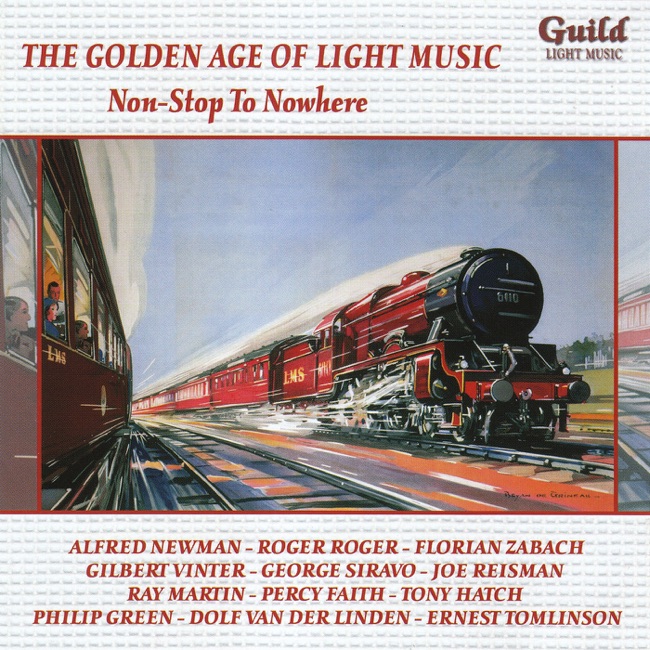 August 5, 2013
 -
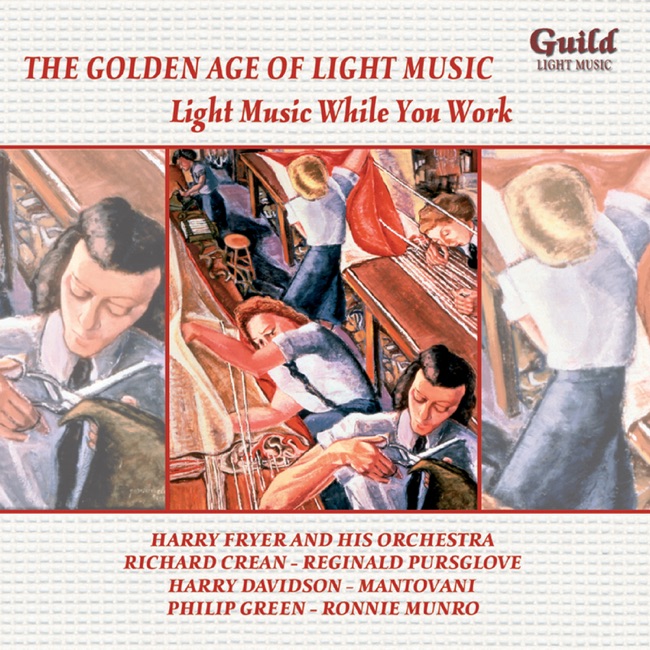
-
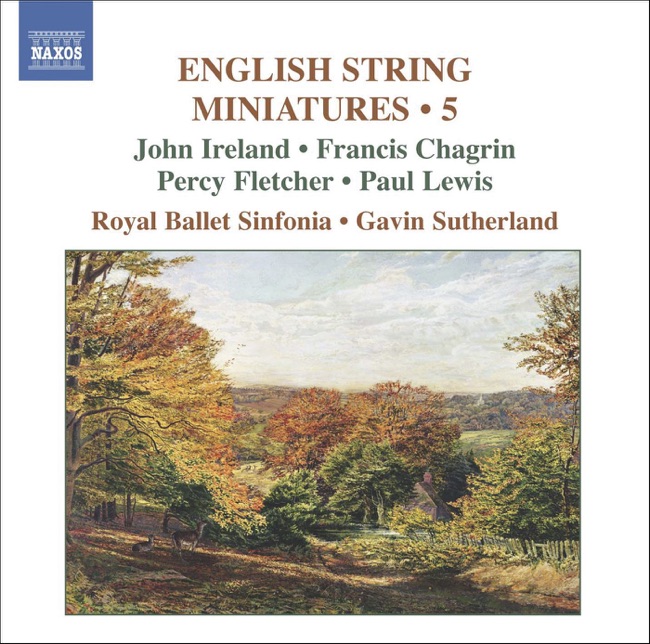 June 20, 2006
 -
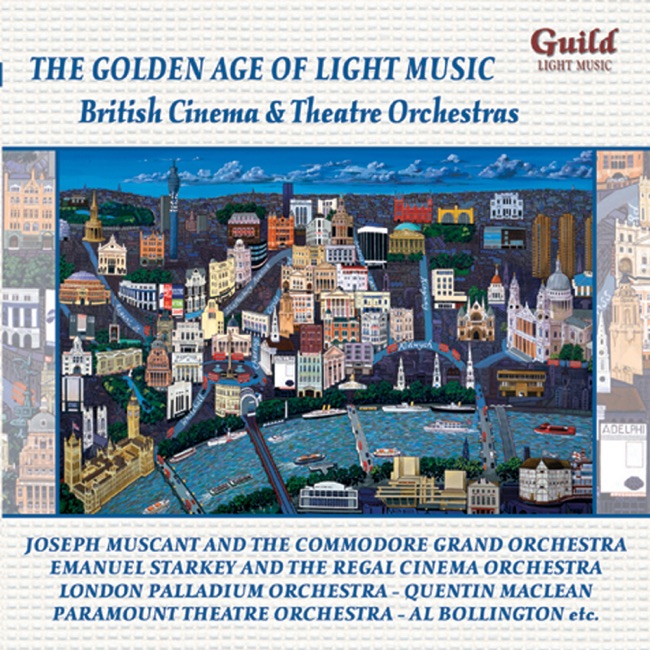
-
-
 April 10, 1997
Keyboard
-
 November 20, 2020
 -
 July 8, 2016
 -
 January 8, 2015
 -
 January 6, 2014
 -
 June 26, 2012
 -
 October 19, 2007
Artist Info
Role:ComposerBirth:December 12, 1879 in Derby, Derbyshire, EnglandDeath:December 10, 1932Period:RomanticContemporaryGenre:BandOrchestralSymphonyPercy Fletcher was a British composer and conductor who lived from 1879 to 1932. He was born in Derby, England, and showed an early interest in music. His father was a musician and conductor, and Percy began playing the piano and violin at a young age. He also sang in the choir at his local church, and later became the organist there. Fletcher studied music at the Royal College of Music in London, where he was a student of Charles Villiers Stanford. He also studied composition with Frederick Corder and conducting with Henry Wood. After completing his studies, Fletcher worked as a conductor and composer, and became known for his works for brass bands. One of Fletcher's most famous works is his "Labour and Love" suite for brass band, which was first performed in 1913. The suite consists of four movements, each of which represents a different aspect of working-class life. The first movement, "The Steel Industry," depicts the sounds of a steelworks, with pounding rhythms and clanging percussion. The second movement, "The Miners," is a mournful elegy for the miners who lost their lives in the coal mines. The third movement, "The Railway Workers," is a lively scherzo that captures the energy and excitement of the railway. The final movement, "The Co-operative," is a hymn of praise for the co-operative movement, which Fletcher saw as a way to improve the lives of working-class people. Fletcher also wrote several other works for brass band, including his "Epic Symphony," which was first performed in 1928. The symphony is a large-scale work that features a wide range of musical styles and moods. It begins with a slow, mysterious introduction, followed by a lively scherzo. The third movement is a beautiful adagio that features a solo cornet, while the fourth movement is a rousing finale that brings the symphony to a thrilling conclusion. In addition to his works for brass band, Fletcher also wrote music for orchestra, choir, and piano. One of his most famous works for orchestra is his "Folk Tune and Fiddle Dance," which was first performed in 1924. The piece is based on two traditional English folk tunes, and features a lively fiddle solo that is accompanied by the orchestra. Fletcher's choral music includes his "Requiem," which was first performed in 1922. The piece is a setting of the Latin Mass for the Dead, and features a large choir and orchestra. The music is solemn and beautiful, with soaring melodies and rich harmonies. Fletcher's piano music includes his "Three Pieces," which were first published in 1910. The pieces are short and simple, but are full of charm and character. The first piece, "Impromptu," is a lively dance that features a catchy melody. The second piece, "Nocturne," is a beautiful and peaceful piece that is perfect for relaxing. The third piece, "Caprice," is a playful and energetic piece that is full of surprises. Throughout his career, Fletcher was known for his ability to write music that was both accessible and sophisticated. His music was popular with audiences and performers alike, and he was widely regarded as one of the leading composers of his time. Today, his music continues to be performed and enjoyed by people all over the world.More....
Recent Artist Music
4
6:49
6
2:47
Copyright Ⓒ 2013 Davinci Finger. All rights reseved
Service Terms & Policy