


Georg Anton Benda
Released Album
Keyboard
-
 July 19, 2005
 -
 November 18, 2002
 -
Chamber
-
 September 9, 2023
 -
 April 9, 2021
 -
 February 11, 2014
 -
 November 30, 2010
 -
 July 18, 2005
 -
 May 25, 2004
Concerto
-
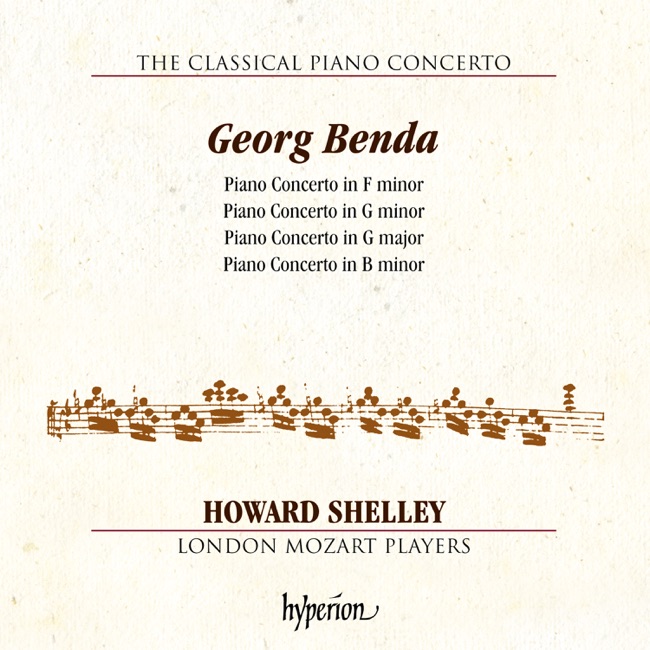 October 1, 2021
 -
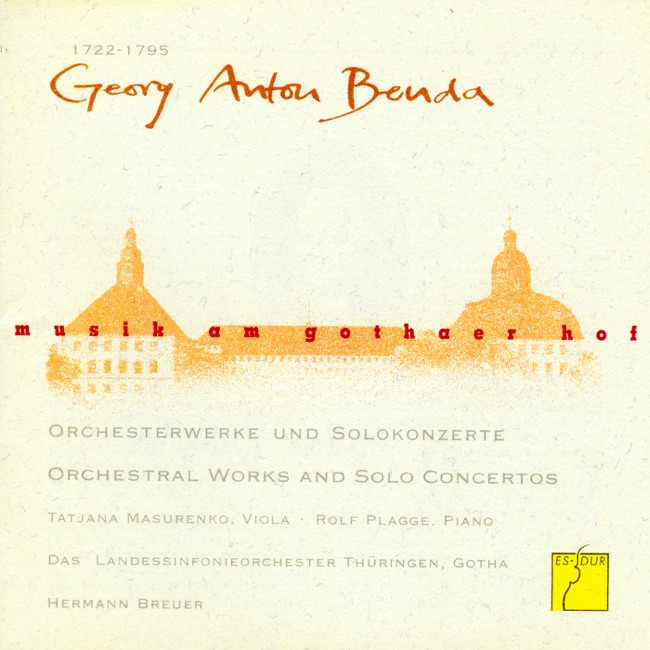 December 2, 2014
 -
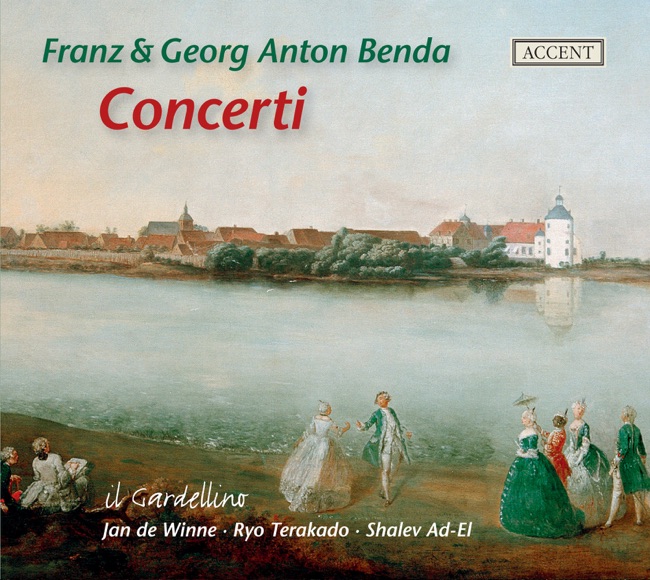 November 24, 2009
 -
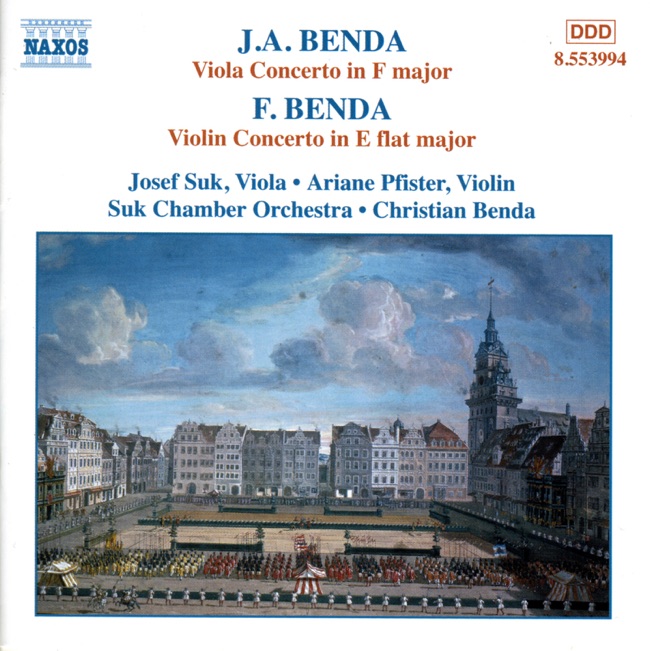
-
-
Symphony
-
 April 10, 2013
 -
-
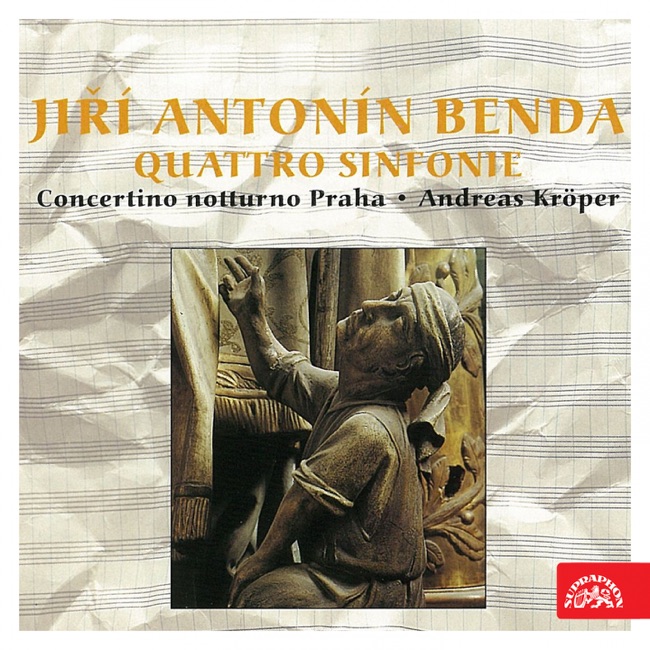 January 1, 1997
Artist Info
Role:ComposerCountry: GermanyBirth:June 30, 1722 in Staré BenátkyDeath:November 6, 1795 in Köstritz, GermanyPeriod:ClassicalGenre:KeyboardOperaSymphonyVocalGeorg Anton Benda was a prominent classical music composer of the 18th century. He was born on June 30, 1722, in the town of Staré Benátky, in the Czech Republic. Benda was the son of a Lutheran pastor, and he grew up in a musical family. His father, Jan Jiri Benda, was a composer and violinist, and his mother, Dorota Brixi, was a singer and harpsichordist. Benda's siblings were also musically talented, and they all received musical training from their father. Benda's musical education began at an early age, and he showed great promise as a composer and performer. He studied music with his father and later with Johann Joachim Quantz, a famous flutist and composer. Benda also learned to play the violin, harpsichord, and organ. He began composing music when he was just a teenager, and his early works were influenced by the Baroque style. In 1742, Benda moved to Dresden, where he worked as a violinist in the court orchestra. He also composed music for the court, including operas, cantatas, and instrumental works. Benda's music was well-received in Dresden, and he became known as one of the leading composers of his time. Benda's most famous works are his operas, which were performed throughout Europe during his lifetime. His first opera, Xindo riconosciuto, was premiered in Dresden in 1744. The opera was a success, and it was performed in other cities, including Prague and Vienna. Benda's other operas include Ariadne auf Naxos, Medea, and Pygmalion. His operas were known for their dramatic intensity and emotional depth, and they were praised for their beautiful melodies and inventive orchestration. In addition to his operas, Benda also composed instrumental music, including symphonies, concertos, and chamber music. His instrumental works were influenced by the emerging Classical style, and they featured clear melodies, balanced structures, and a greater emphasis on harmony. Benda's instrumental music was also well-received, and it was performed by some of the leading musicians of his time. Benda's career as a composer was interrupted by the Seven Years' War, which began in 1756. Benda was forced to flee Dresden when the city was invaded by the Prussian army. He spent several years traveling throughout Europe, performing and composing music. Benda eventually settled in Berlin, where he worked as a composer and conductor for the court of Frederick the Great. Benda's later works were influenced by the emerging Classical style, and they featured a greater emphasis on melody and harmony. His music was also characterized by a sense of drama and emotion, which reflected his background in opera. Benda's later works include his Symphony in D major, his Concerto for Harpsichord and Strings, and his String Quartet in A minor. Benda died on November 6, 1795, in Köstritz, Germany. He was 73 years old. Benda's music fell out of favor in the 19th century, but it has since been rediscovered and appreciated by modern audiences. His operas, in particular, have been revived and recorded, and they are now recognized as some of the most important works of the 18th century. Benda's legacy as a composer and musician continues to be celebrated today, and his music remains an important part of the classical music canon.More....
Recent Artist Music
1
3:41
3
2:20
4
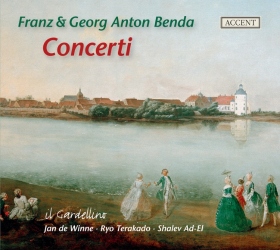
6:50
5
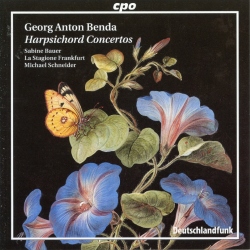
6:36
6
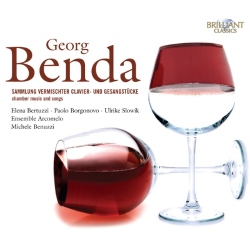
3:9
7
Keyboard Sonata No. 15 in C minor
Dream Medley: I Have Dreamed (R. Rodgers) / The Impossible Dream (M. Leigh)
5:43
11
2:58
Copyright Ⓒ 2013 Davinci Finger. All rights reseved
Service Terms & Policy