


Paul Lincke
Released Album
Opera
-
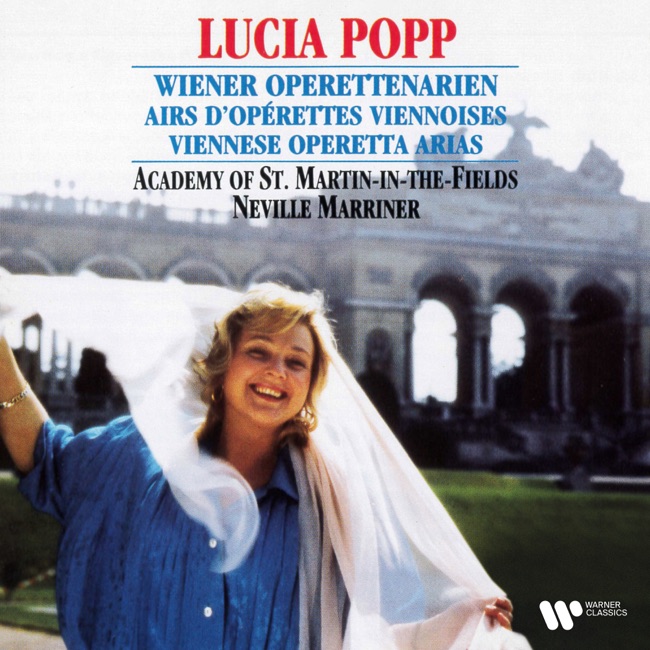 May 3, 2024
 -
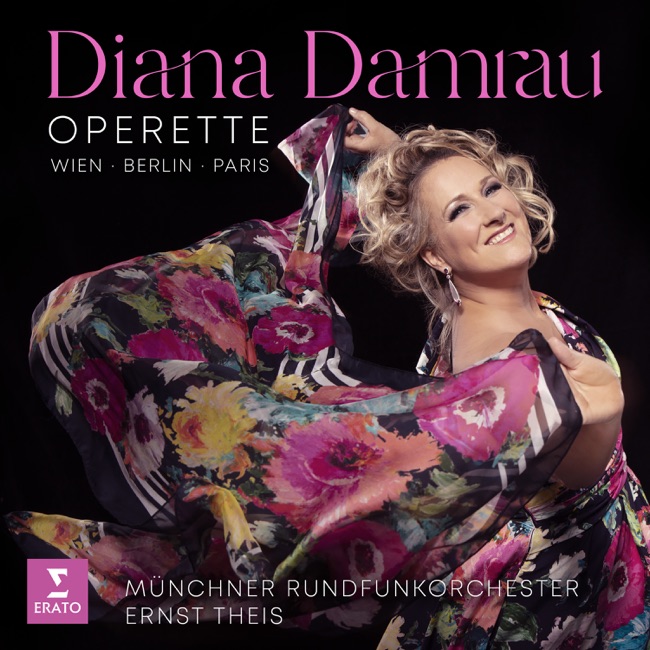 December 15, 2023
 -

-
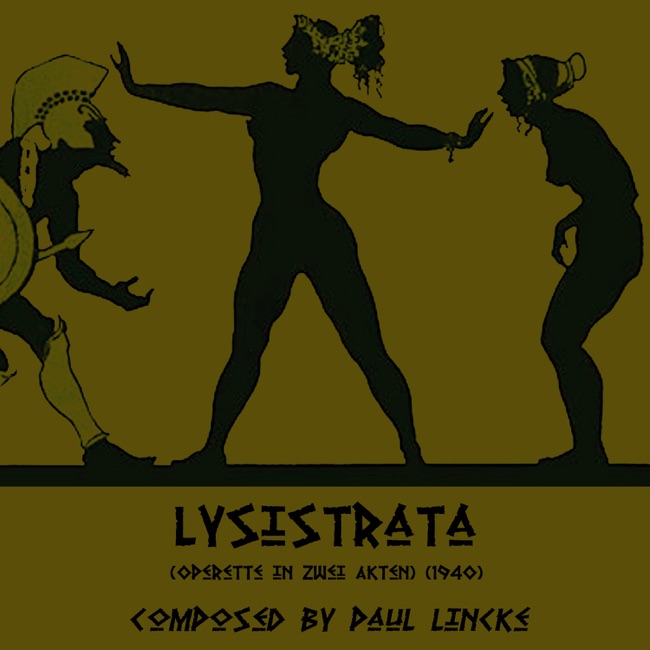 April 16, 2015
 -

-
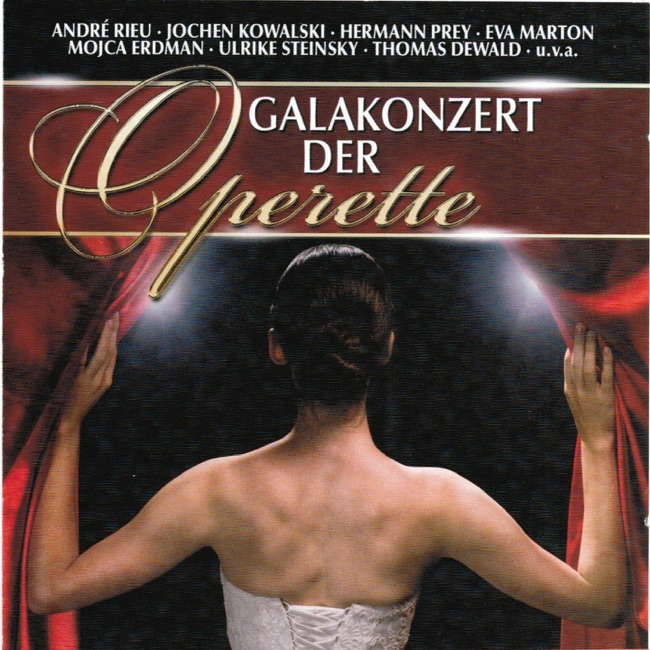 February 17, 2014
Orchestral
-
 October 13, 2017
 -
 March 29, 2016
 -
 January 1, 2016
 -
 July 10, 2015
 -
 December 3, 2012
 -
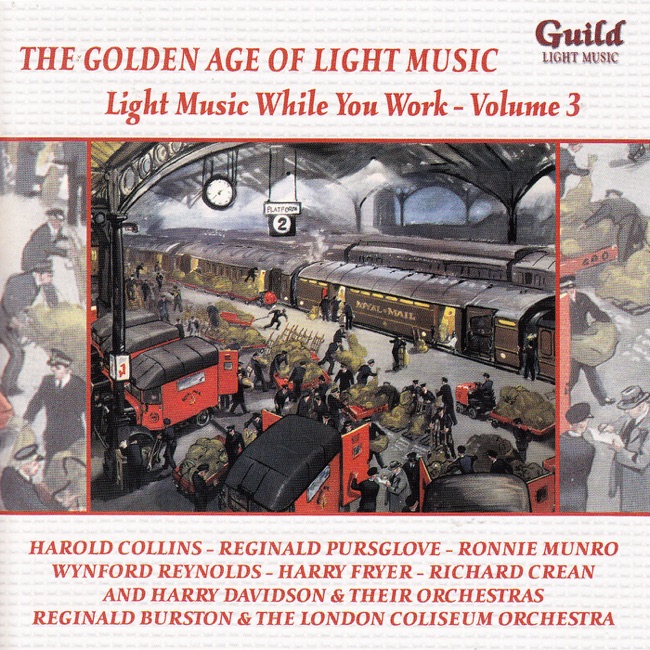 November 8, 2011
Vocal
-
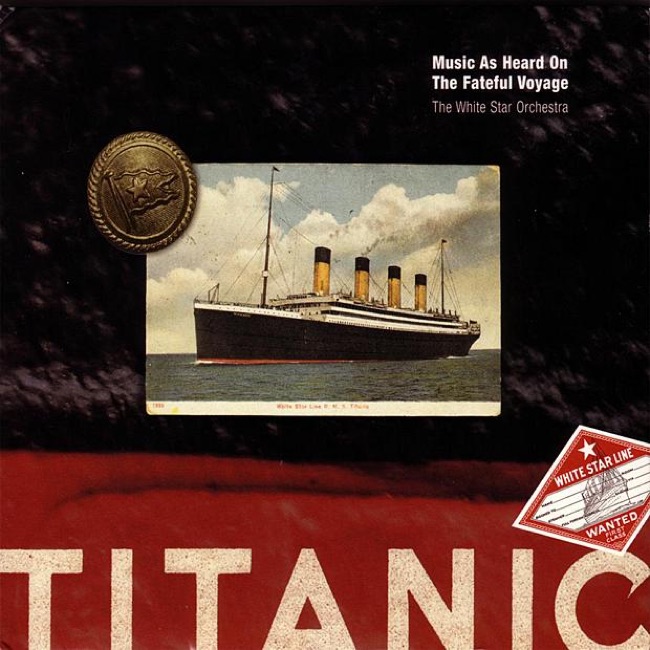 September 8, 2009
Artist Info
Role:ComposerBirth:1866Death:1946Genre:OperaPaul Lincke was a German composer and conductor who was born on November 7, 1866, in Berlin, Germany. He was the son of a musician and grew up in a musical family. His father, Carl Lincke, was a conductor and composer, and his mother, Marie Lincke, was a singer. Paul Lincke showed an early interest in music and began playing the piano at a young age. Lincke studied music at the Berlin Conservatory, where he learned composition, conducting, and piano. He also studied with other prominent musicians of the time, including Engelbert Humperdinck and Max Bruch. After completing his studies, Lincke began working as a conductor and composer. Lincke's early compositions were primarily for the theater, including operettas and musical comedies. His first major success came in 1899 with the operetta "Frau Luna," which was set in a fantastical world where people could travel to the moon. The operetta was a huge success and was performed over 400 times in its first year alone. Lincke continued to compose operettas and musical comedies throughout his career, including "Lysistrata," "Die lustigen Weiber von Berlin," and "Im Reiche des Indra." His music was known for its catchy melodies and lively rhythms, and his operettas were popular with audiences throughout Germany. In addition to his work in the theater, Lincke also composed orchestral works, including marches, waltzes, and polkas. One of his most famous works is the "Berliner Luft," which is often played at events in Berlin and has become a symbol of the city. The piece was composed in 1904 and was originally part of the operetta "Frau Luna." Lincke was also a conductor and led several orchestras throughout his career. He was the conductor of the Berliner Theaterorchester from 1905 to 1919 and the conductor of the Berliner Philharmoniker from 1919 to 1925. He was known for his energetic conducting style and his ability to bring out the best in his musicians. Lincke's career was interrupted by World War I, during which he served in the German army. After the war, he returned to composing and conducting and continued to be a prominent figure in the German music scene. He died on September 3, 1946, in Hahnenklee, Germany, at the age of 79. Today, Lincke is remembered as one of the most important composers of operettas and musical comedies in Germany. His music continues to be performed and enjoyed by audiences around the world, and his legacy as a composer and conductor lives on.More....
Recent Artist Music
15

3:1

Copyright Ⓒ 2013 Davinci Finger. All rights reseved
Service Terms & Policy