


Claude Vivier
Released Album
Chamber
-
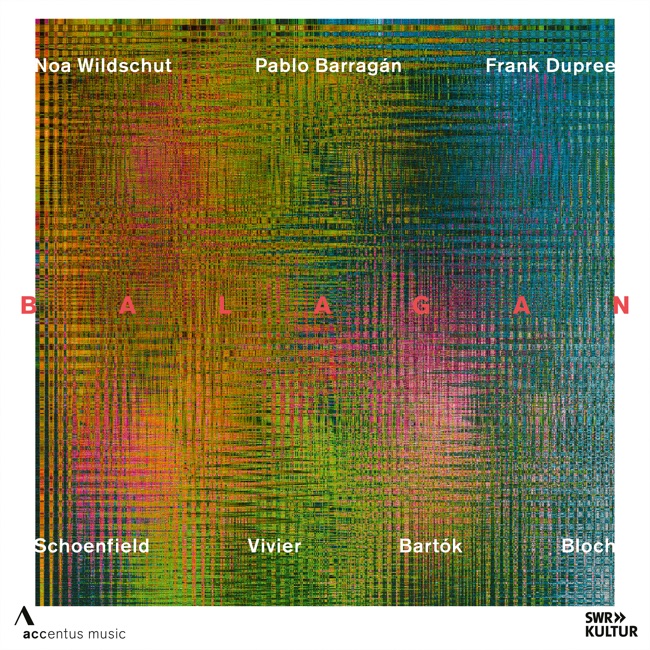 June 28, 2024
 -
 March 20, 2020
 -
 December 12, 2016
 -
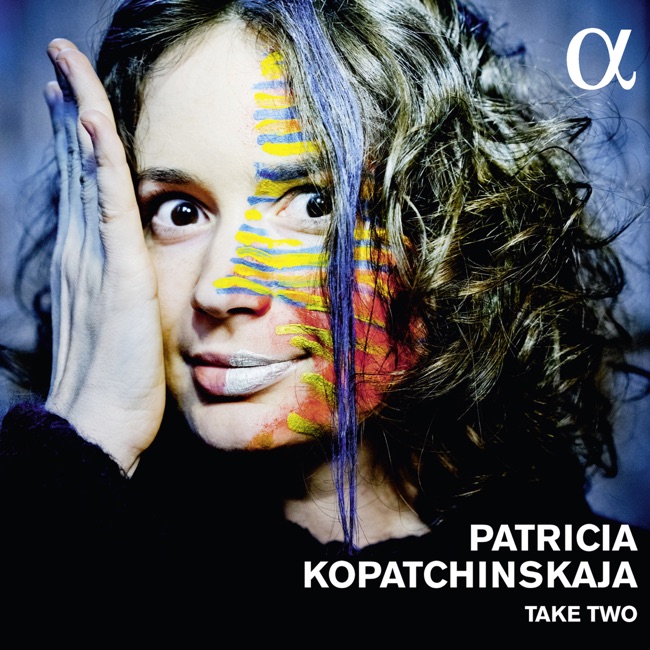 October 30, 2015
 -
 January 28, 2014
 -
 March 10, 2003
Miscellaneous
-
 August 13, 2024
 -
 January 3, 2020
 -
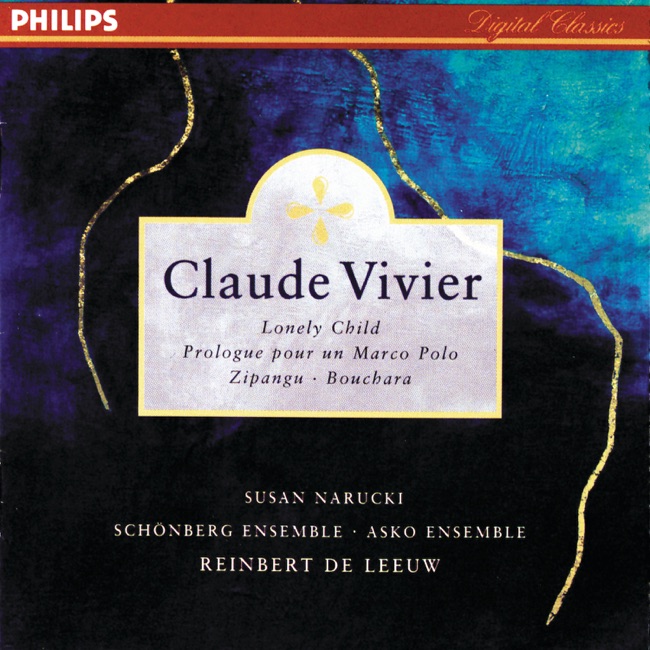
Vocal
-
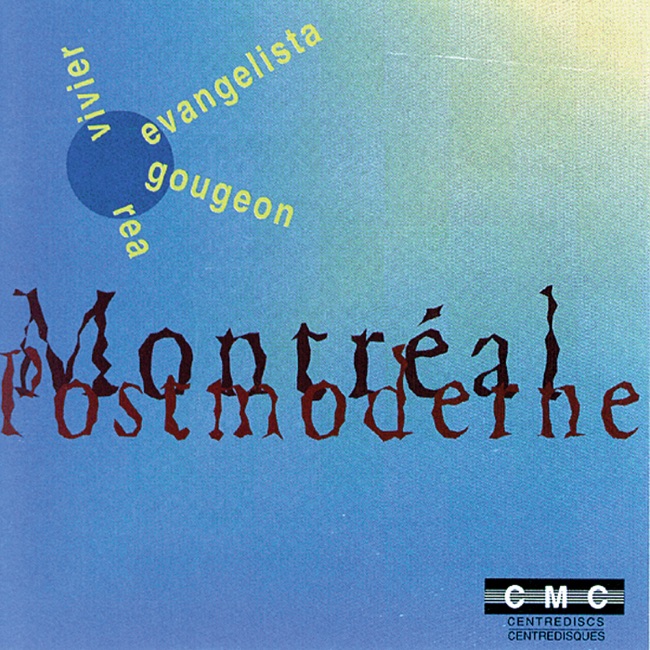 January 1, 1994
Orchestral
-
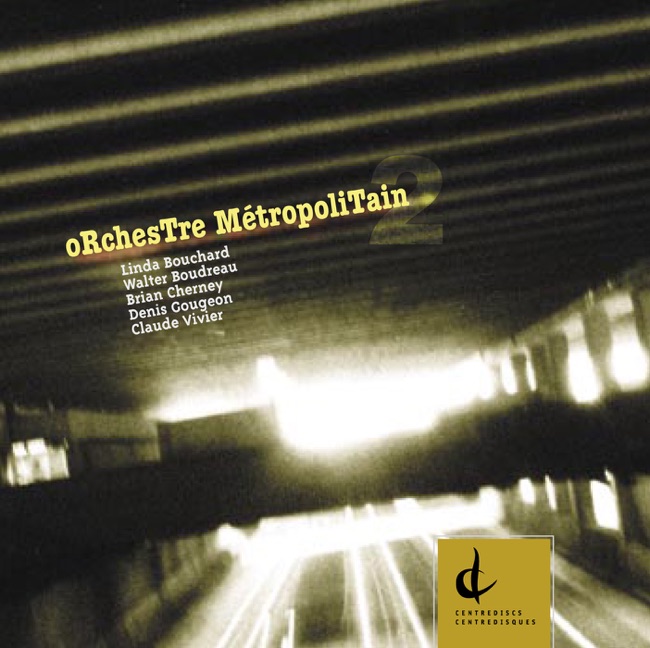 November 1, 1999
Artist Info
Role:ComposerCountry: CanadaBirth:April 18, 1948 in Montreal, Quebec, CanadaDeath:March 7, 1983 in Paris, FrancePeriod:ContemporaryGenre:ChamberOrchestralVocalClaude Vivier was a Canadian composer who was born on April 14, 1948, in Montreal, Quebec. He was the youngest of five children and grew up in a working-class family. His father was a truck driver, and his mother was a homemaker. Vivier showed an early interest in music and began taking piano lessons at the age of six. He later studied composition at the Conservatoire de musique du Québec à Montréal. Vivier's early works were influenced by the music of Olivier Messiaen, a French composer known for his use of complex rhythms and harmonies. Vivier's music was also influenced by his travels to Asia, where he was exposed to the music of Indonesia, Japan, and India. He was particularly interested in the use of non-Western scales and modes in his compositions. Vivier's first major work was his opera Kopernikus, which he began writing in 1978. The opera is based on the life and work of the astronomer Nicolaus Copernicus and explores themes of death, rebirth, and transcendence. The opera premiered in 1980 and was well-received by audiences and critics alike. Vivier's other notable works include Lonely Child, which is a song cycle for soprano and orchestra that explores themes of isolation and loneliness. The piece was inspired by Vivier's own experiences of feeling disconnected from the world around him. Another notable work is Zipangu, which is a piece for orchestra that was inspired by Vivier's travels to Japan. The piece features a blend of Western and Japanese musical elements and is known for its use of percussion and brass. Vivier's music was often characterized by its use of unconventional techniques and instrumentation. He was known for his use of extended techniques, such as playing the strings of a piano with a bow or using a glass harmonica. He also experimented with electronic music and was one of the first composers to use a computer to generate musical scores. Despite his success as a composer, Vivier struggled with personal demons throughout his life. He was openly gay at a time when homosexuality was still stigmatized, and he struggled with drug addiction and mental illness. He was also known for his turbulent relationships with lovers and friends. Tragically, Vivier's life was cut short when he was murdered in his Paris apartment in 1983. He was just 34 years old at the time of his death. The circumstances surrounding his murder remain a mystery, and his killer was never caught. Despite his short life, Vivier's music has had a lasting impact on the world of classical music. His use of unconventional techniques and his exploration of non-Western musical traditions have inspired countless composers and musicians. His music continues to be performed and studied by musicians around the world, and his legacy as a pioneering composer and innovator lives on.More....
Recent Artist Music
1
13:4
2
22:15







15
8:16
Copyright Ⓒ 2013 Davinci Finger. All rights reseved
Service Terms & Policy