


Gordon Crosse
Released Album
Chamber
-
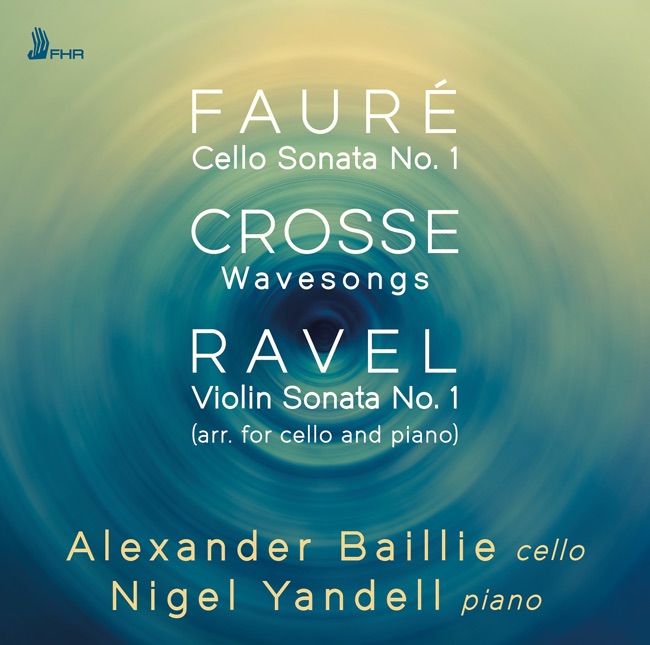 March 1, 2024
 -
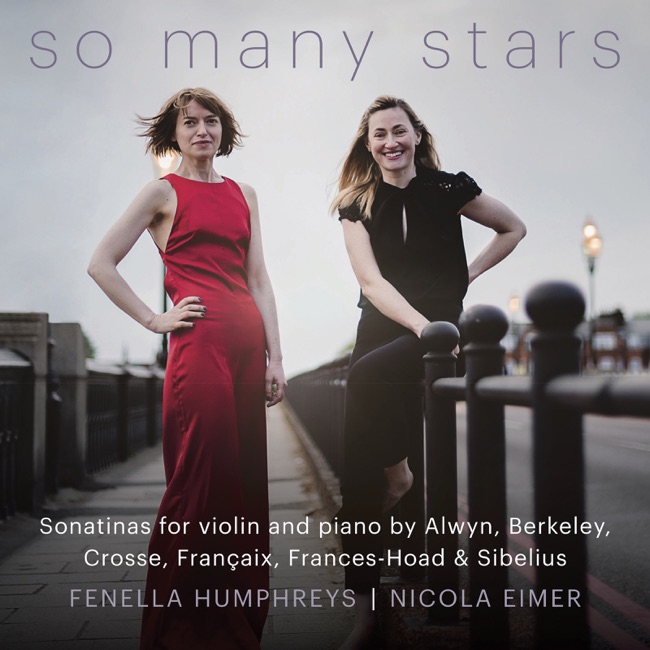 February 1, 2019
 -
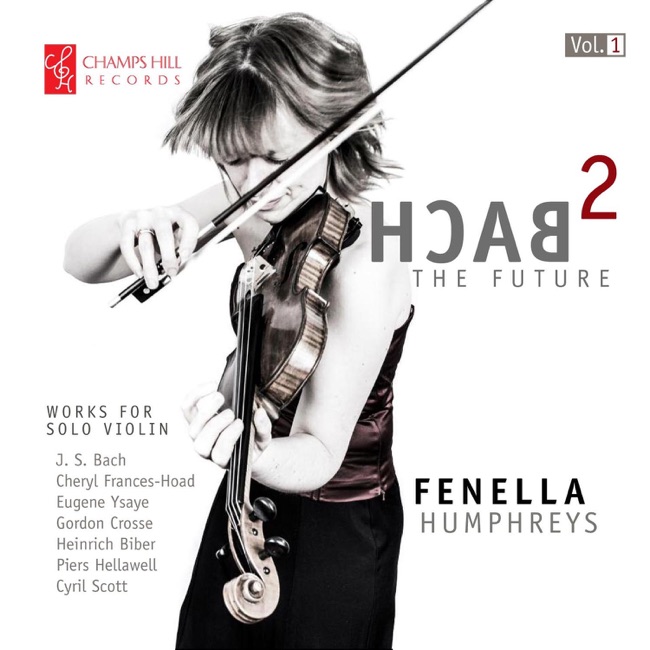 August 28, 2015
 -
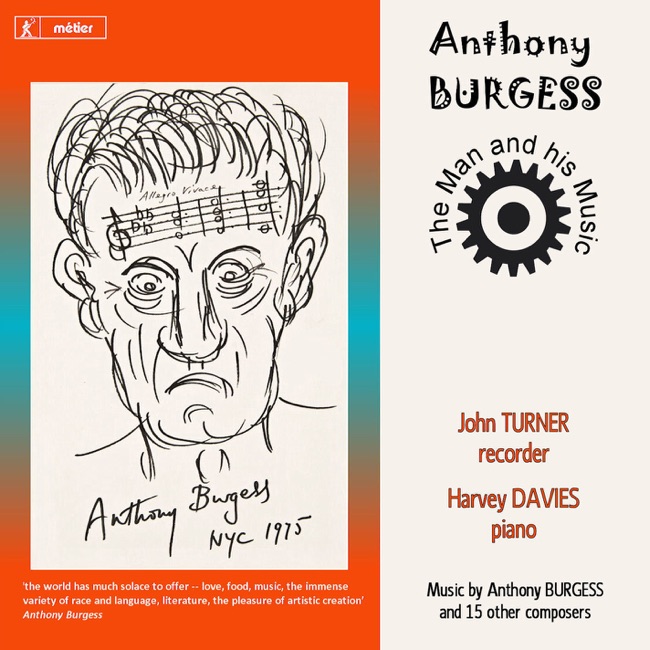 September 2, 2013
 -
 October 29, 2002
 -
 February 14, 2000
Orchestral
Vocal
-
 March 31, 2009
 -
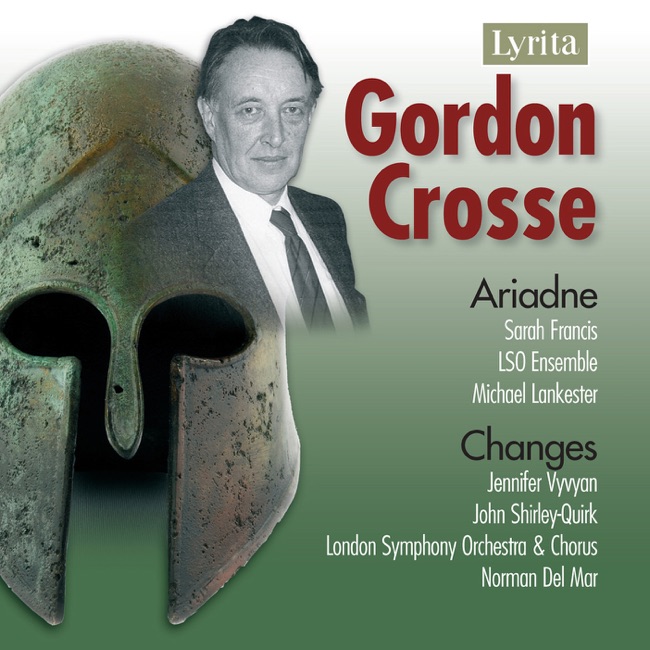 January 8, 2008
 -
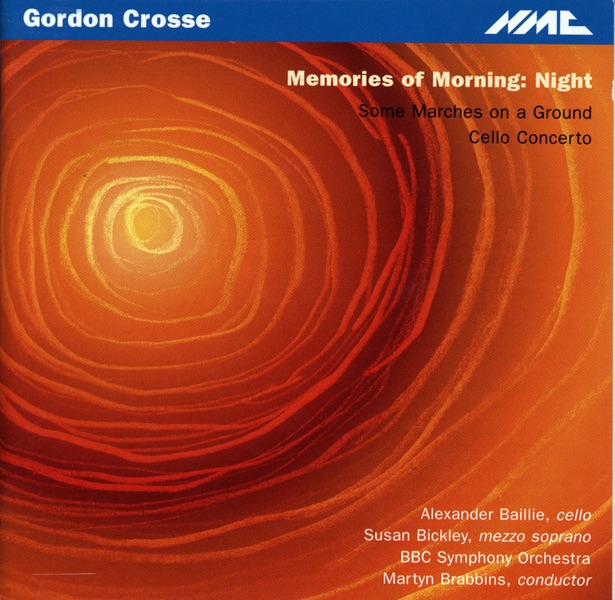
Concerto
-
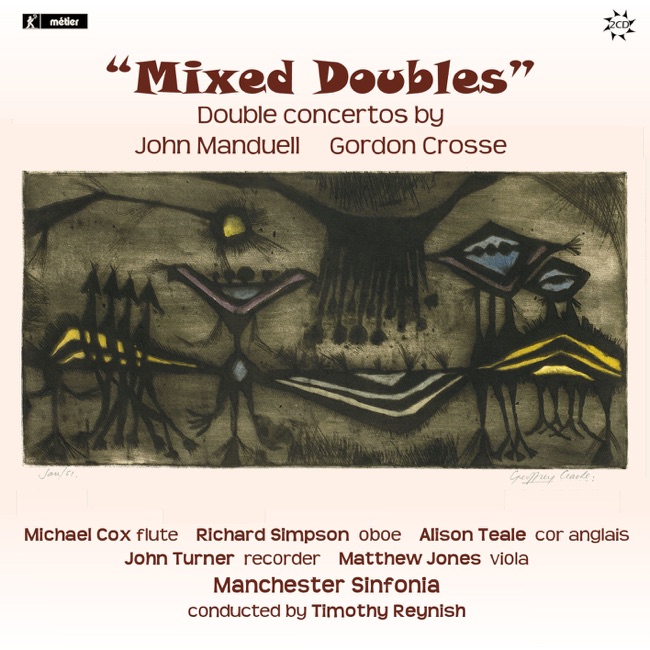 June 10, 2013
Artist Info
Role:ComposerBirth:December 1, 1937 in Bury, Lancashire, EnglandDeath:November 21, 2021Period:ContemporaryGenre:ChamberConcertoOrchestralVocalGordon Crosse is a British composer who was born on August 10, 1937, in Bury, Lancashire. He grew up in a musical family, with his father being a church organist and his mother a pianist. Crosse began playing the piano at a young age and showed a natural talent for music. He attended Manchester Grammar School, where he continued to develop his musical skills and began composing his own music. In 1955, Crosse went on to study music at Oxford University, where he was taught by composer Egon Wellesz. He also studied with composer and conductor Sir Adrian Boult, who had a significant influence on his musical style. Crosse graduated from Oxford in 1958 with a Bachelor of Music degree. After completing his studies, Crosse began working as a freelance composer and music teacher. He also became involved with the Manchester New Music Group, a collective of composers and performers who were dedicated to promoting contemporary classical music. Crosse's early works were heavily influenced by the avant-garde music of the time, particularly the works of Pierre Boulez and Karlheinz Stockhausen. In the 1960s, Crosse began to develop his own unique style, which combined elements of serialism, aleatoric music, and traditional tonality. His works from this period include "Changes," a piece for orchestra that features a constantly shifting tonal center, and "Sonata for Clarinet and Piano," which uses aleatoric techniques to create a sense of improvisation. Crosse's breakthrough work came in 1969 with his opera "The Grace of Todd," which was commissioned by the Royal Opera House in London. The opera tells the story of a young man who is falsely accused of murder and sentenced to death. The work was praised for its innovative use of electronic music and its powerful emotional impact. Throughout the 1970s and 1980s, Crosse continued to compose a wide range of works, including orchestral pieces, chamber music, and vocal works. His works from this period include "Concerto for Orchestra," which features a complex interplay of rhythms and textures, and "String Quartet No. 2," which uses a variety of extended techniques to create a haunting, otherworldly sound. In the 1990s, Crosse began to incorporate more traditional tonal elements into his music, while still retaining his avant-garde sensibilities. His works from this period include "Symphony No. 2," which features lush, romantic melodies and a rich orchestral sound, and "Piano Trio," which combines traditional tonality with complex rhythmic patterns. Crosse's later works have continued to explore the intersection of traditional tonality and avant-garde techniques. His works from this period include "Concerto for Violin and Orchestra," which features a virtuosic solo violin part and a complex, multi-layered orchestral texture, and "String Quartet No. 4," which uses a variety of extended techniques to create a rich, complex sound. Throughout his career, Crosse has been recognized as one of the leading composers of his generation. He has received numerous awards and honors, including the Royal Philharmonic Society Award for Large-Scale Composition in 1970 and the Ivor Novello Award for Classical Music in 1992. He has also been commissioned by some of the world's leading orchestras and ensembles, including the London Symphony Orchestra, the BBC Symphony Orchestra, and the Arditti Quartet. In addition to his work as a composer, Crosse has also been a dedicated teacher and mentor to young musicians.More....
Recent Artist Music
5
23:
Copyright Ⓒ 2013 Davinci Finger. All rights reseved
Service Terms & Policy