


Marcos Antonio Portugal (Protogallo)
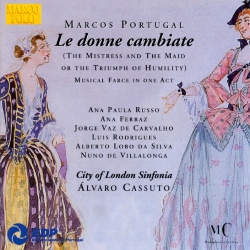
Released Album
Opera
-
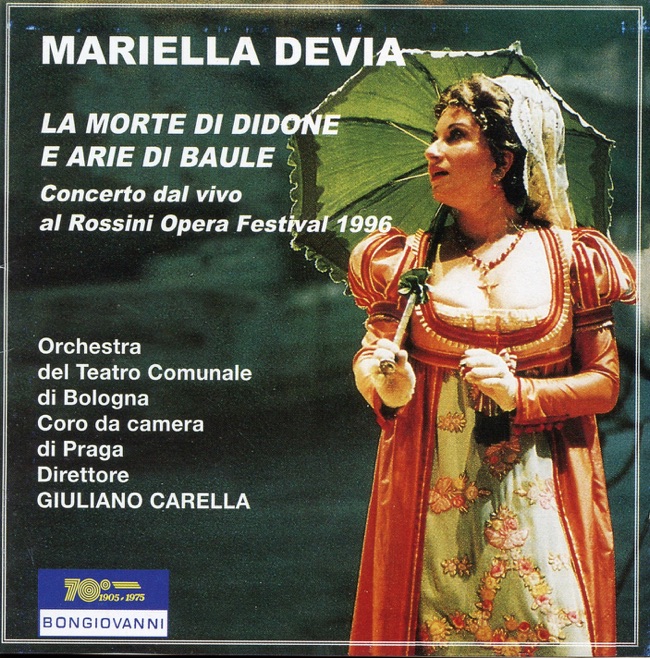 November 1, 1998
 -
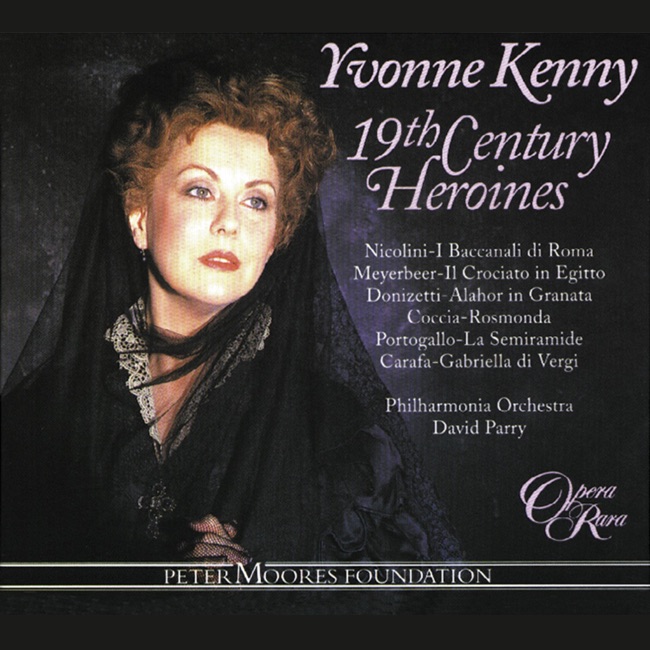 August 1, 1998
Vocal
-
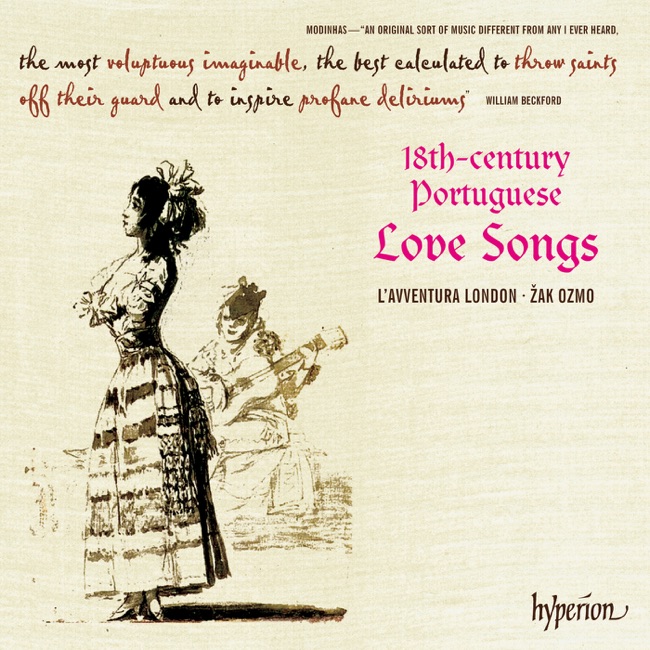 October 29, 2012
Artist Info
Role:ComposerCountry: PortugalBirth:March 24, 1762 in Lisbon, PortugalDeath:February 7, 1830 in Rio De Janeiro, BrazilGenre:OperaOrchestralMarcos Antonio Portugal, also known as Marcos Antonio da Fonseca Portugal or Marcos Antonio da Fonseca Protogallo, was a prominent classical music composer of the late 18th and early 19th centuries. He was born on March 24, 1762, in Lisbon, Portugal, to a family of musicians. His father, João Carlos Protogallo, was a violinist and composer, and his mother, Maria Teresa de Noronha, was a singer. Portugal showed an early interest in music and began his musical education at a young age. He studied with his father and other prominent musicians in Lisbon, including David Perez and Francisco António de Almeida. He also received a scholarship from the Portuguese court to study music in Italy, where he studied with Giovanni Paisiello and Niccolò Piccinni. Upon his return to Portugal, Portugal began to establish himself as a composer and musician. He composed a number of operas, including "La Donna di Cattivo Talento" and "Il Duca di Foix," which were well-received by audiences and critics alike. He also composed a number of sacred works, including masses, motets, and hymns, which were performed in churches throughout Portugal. In 1798, Portugal was appointed the court composer to Queen Maria I of Portugal, a position he held until her death in 1816. During this time, he composed a number of works for the court, including operas, ballets, and chamber music. He also continued to compose sacred works, including a requiem mass for the queen. One of Portugal's most famous works is his opera "Le Nozze di Figaro," which he composed in 1789. The opera is based on the play by Pierre Beaumarchais and was first performed in Lisbon in 1790. The opera was a huge success and was performed throughout Europe, including in Paris, Vienna, and London. It is still performed today and is considered one of the greatest operas of all time. Another notable work by Portugal is his "Te Deum," which he composed in 1800. The work is a setting of the Latin hymn of the same name and was composed for the celebration of the birth of Prince Pedro, the future King Pedro IV of Portugal. The work is considered one of Portugal's greatest sacred works and is still performed today. Portugal's music is characterized by its lyricism, elegance, and clarity. He was known for his ability to write music that was both accessible to audiences and technically challenging for performers. His music was also influenced by the Italian and French styles of the time, as well as the music of his Portuguese heritage. Portugal died on February 17, 1830, in Lisbon, Portugal, at the age of 67. He left behind a legacy of music that continues to be performed and appreciated today. His contributions to the development of classical music in Portugal and Europe are significant, and his music remains an important part of the classical music canon.More....
Recent Artist Music
Copyright Ⓒ 2013 Davinci Finger. All rights reseved
Service Terms & Policy