


George Walker
Released Album
Chamber
-
 January 16, 2024
 -
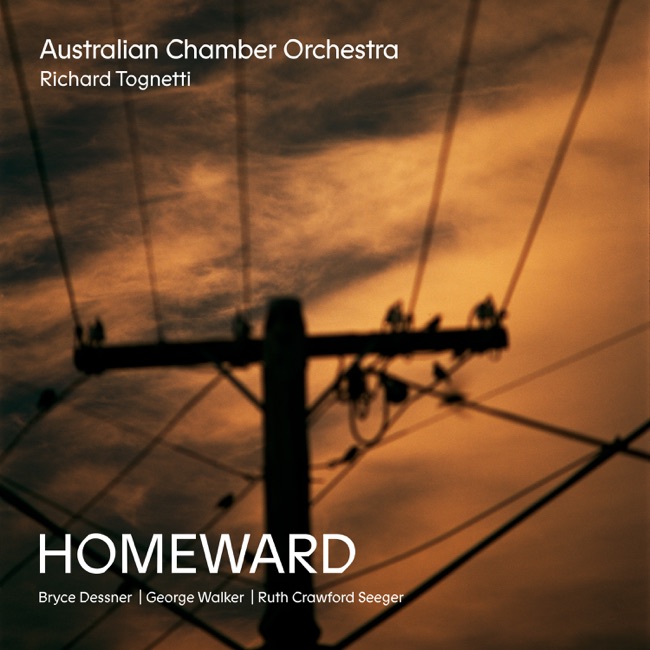
-
 November 4, 2022
 -
 January 19, 2018
 -
 February 24, 2015
 -
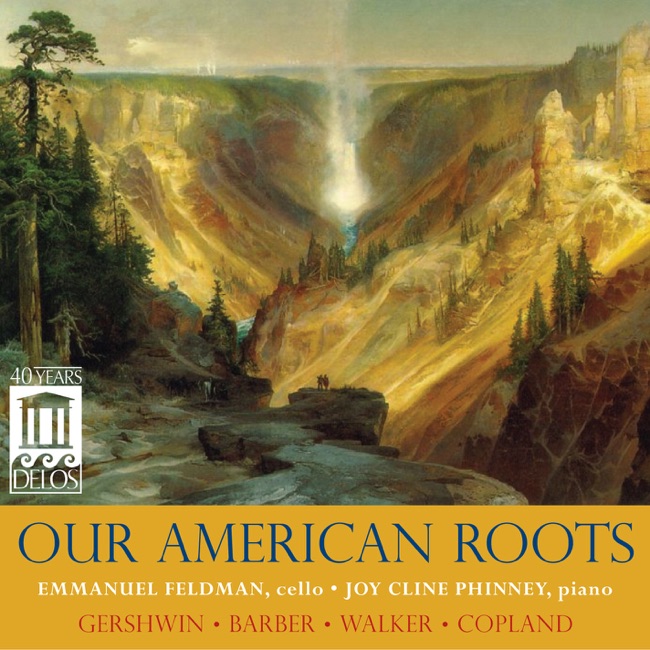 May 28, 2013
Keyboard
-
 January 7, 2022
 -
 November 22, 2019
 -
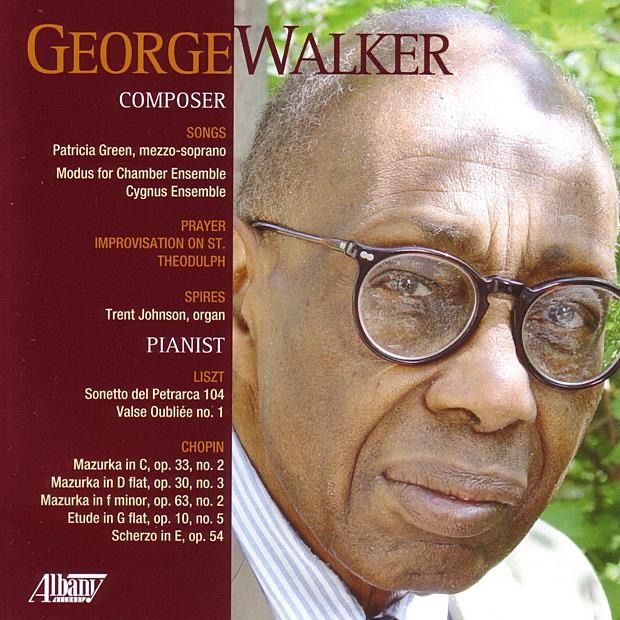 February 22, 2005
 -
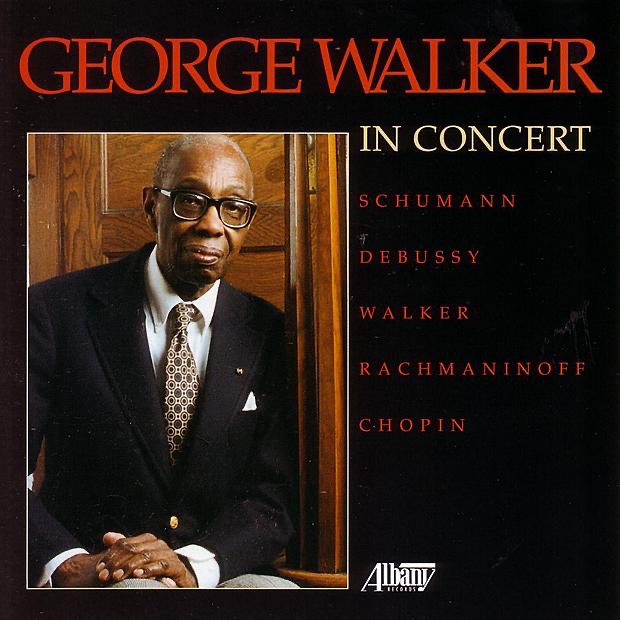 September 24, 2002
 -
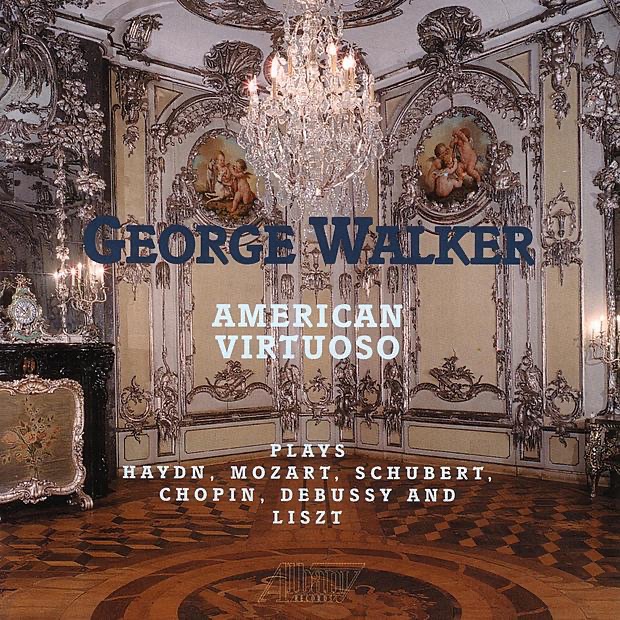 February 27, 2001
 -
 June 1, 1999
Vocal
-
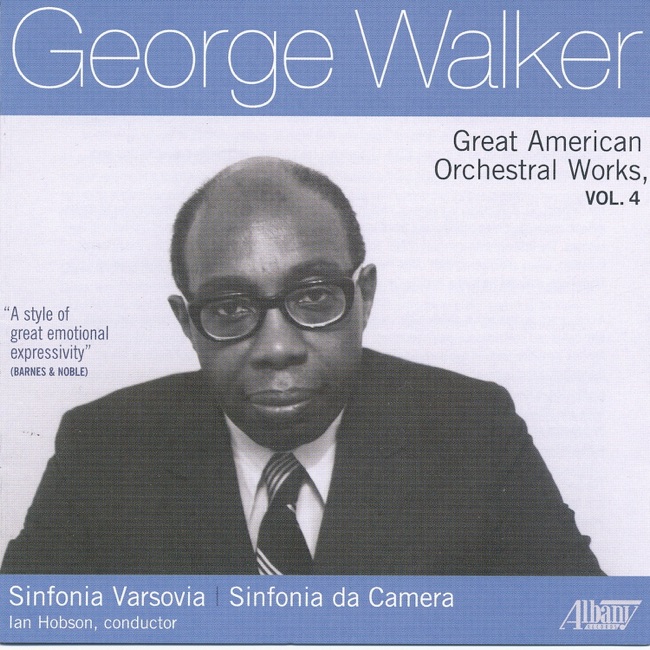 August 13, 2013
 -
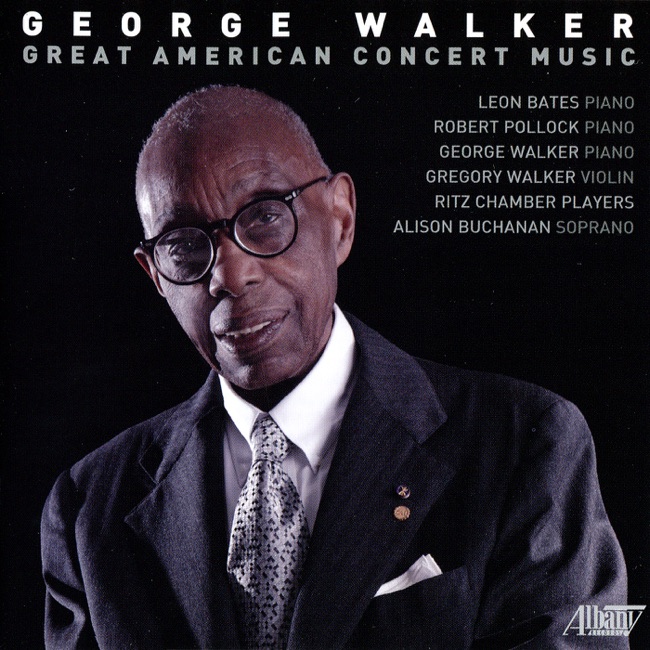 September 11, 2012
 -
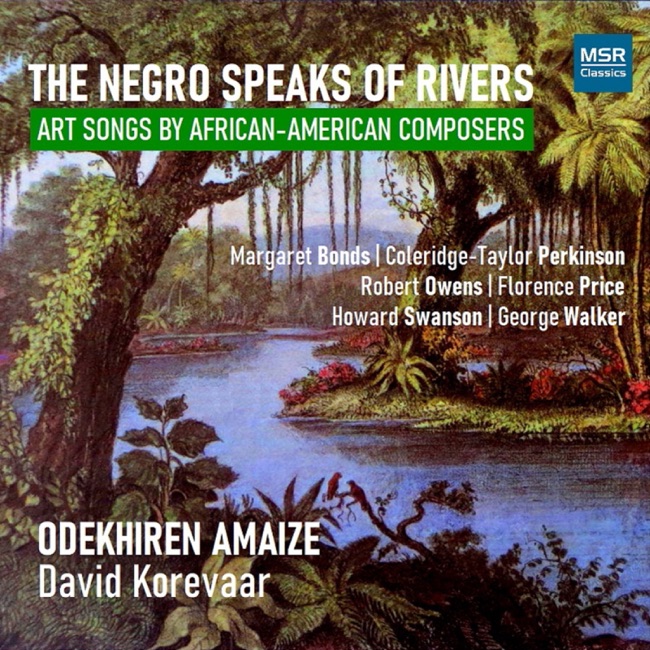 January 25, 2000
 -
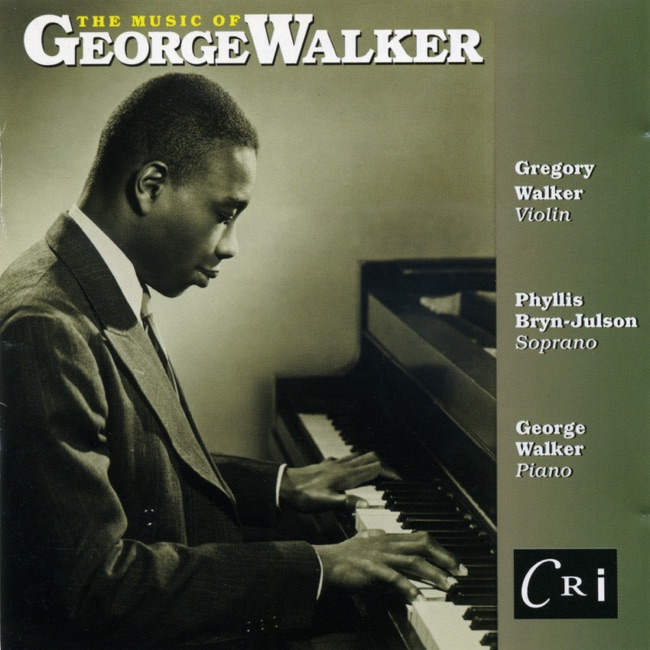 April 22, 1997
 -
 November 1, 1994
Orchestral
-
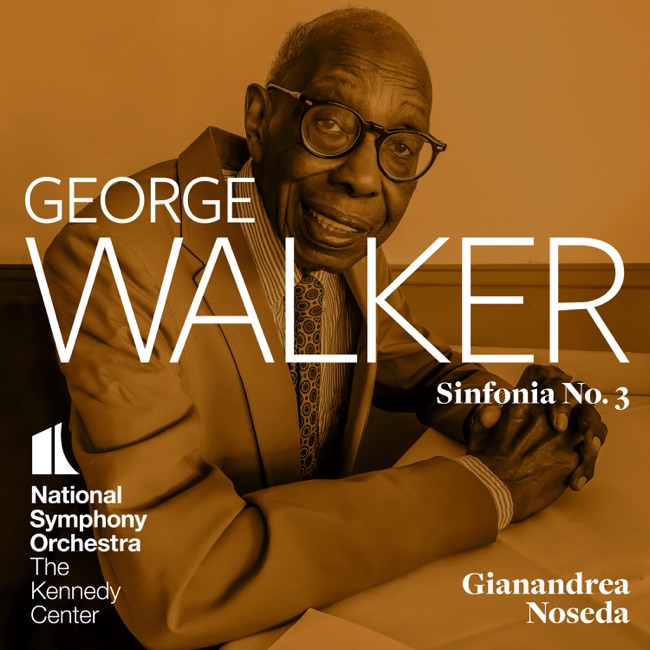 August 11, 2023
 -
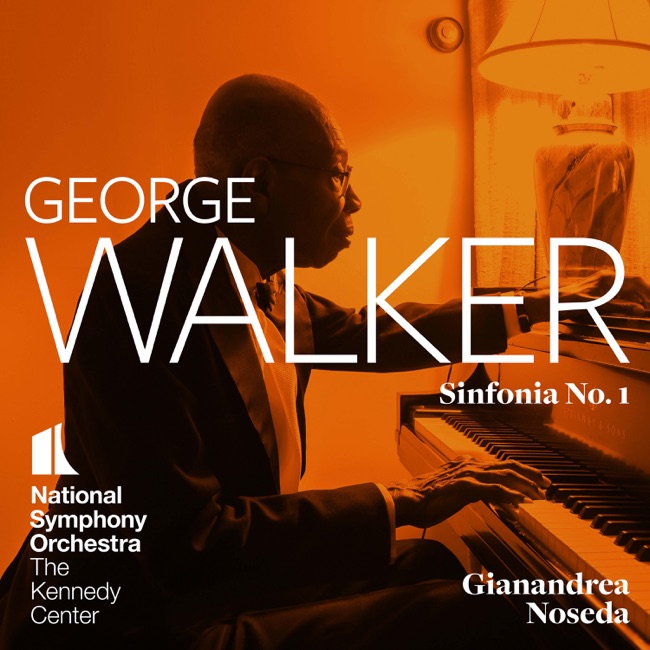 October 14, 2022
 -
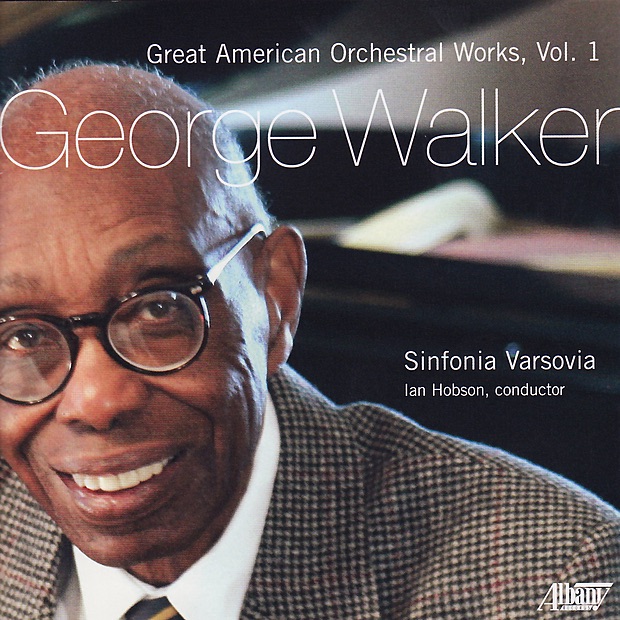 October 14, 2008
 -
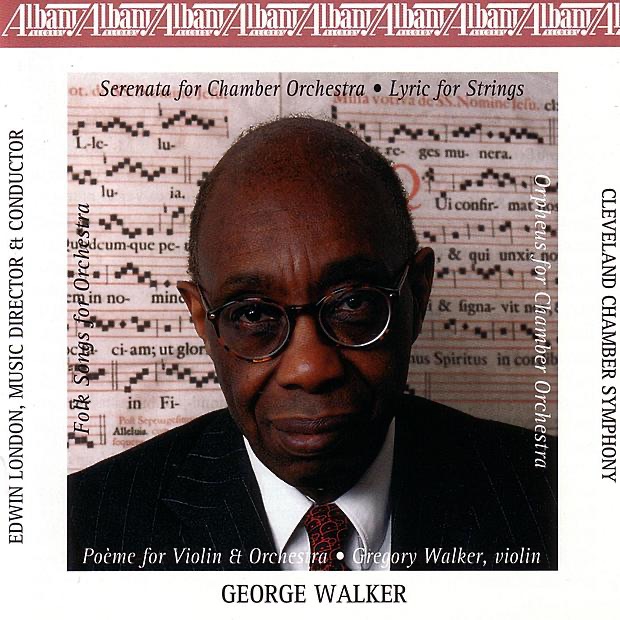 February 3, 1998
Artist Info
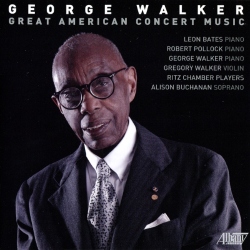
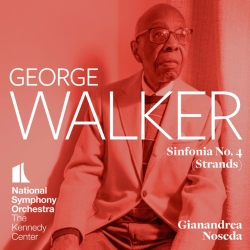
Role:ComposerBirth:June 27, 1922 in Washington, D.C.Death:August 23, 2018 in Montclair, NJPeriod:ContemporaryGenre:ChamberKeyboardOrchestralVocalGeorge Walker was an American composer and pianist who was born on June 27, 1922, in Washington, D.C. He was the son of a physician and a music teacher, and he began playing the piano at the age of five. Walker's mother recognized his talent and encouraged him to pursue music, and he went on to study at the Oberlin Conservatory of Music, the Curtis Institute of Music, and the Eastman School of Music. Walker's early compositions were influenced by the works of European composers such as Beethoven, Brahms, and Debussy, but he also drew inspiration from African American spirituals and jazz. In 1945, he became the first African American to win the prestigious Philadelphia Orchestra Young Composers' Contest for his work "Lament for Piano." After completing his studies, Walker embarked on a career as a concert pianist and composer. He performed extensively throughout the United States and Europe, and his compositions were performed by major orchestras and ensembles around the world. In 1957, he became the first African American to receive a doctorate in music composition from the Eastman School of Music. Throughout his career, Walker was a prolific composer, producing works in a variety of genres, including orchestral music, chamber music, vocal music, and solo piano music. His compositions were known for their lyrical melodies, rich harmonies, and complex rhythms, and he often incorporated elements of jazz and blues into his works. One of Walker's most famous works is his "Lyric for Strings," which was composed in 1946. The piece was inspired by the death of Walker's grandmother, and it is a hauntingly beautiful elegy that has become a staple of the string orchestra repertoire. The work has been performed by orchestras around the world, and it has been featured in numerous films and television shows. Another notable work by Walker is his "Piano Sonata No. 1," which was composed in 1953. The piece is a virtuosic tour de force that showcases Walker's technical prowess as a pianist and his skill as a composer. The work has been performed by numerous pianists, including Walker himself, and it is considered one of the most important works in the American piano repertoire. In addition to his work as a composer, Walker was also a trailblazer in the field of music education. He taught at several universities throughout his career, including Rutgers University, the Peabody Institute, and the University of Colorado. He was a passionate advocate for music education, and he worked tirelessly to promote diversity and inclusion in the field of classical music. Throughout his life, Walker received numerous awards and honors for his contributions to music. In 1996, he became the first African American to win the Pulitzer Prize for Music for his work "Lilacs," which is a setting of a poem by Walt Whitman. He was also awarded the National Medal of Arts in 1997, and he was inducted into the American Academy of Arts and Letters in 1999. George Walker passed away on August 23, 2018, at the age of 96. He left behind a legacy as one of the most important composers of the 20th century, and his music continues to inspire and move audiences around the world.More....
Recent Artist Music







Recommend Playlist





Copyright Ⓒ 2013 Davinci Finger. All rights reseved
Service Terms & Policy