


Fernando Lopes-Graça
Released Album
Chamber
-
 September 11, 2015
 -
 May 27, 2014
 -
 March 1, 2014
 -
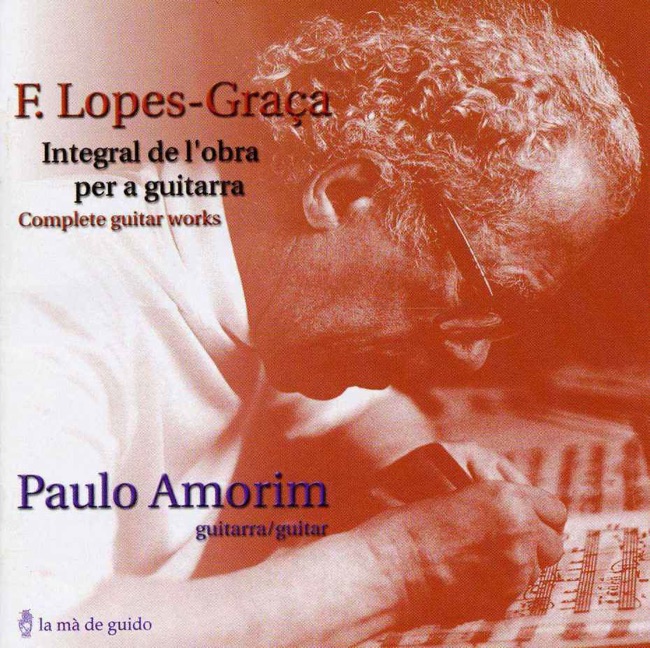 March 29, 2005
 -
 February 9, 2004
Concerto
-
 February 1, 2017
 -
 June 10, 2016
 -
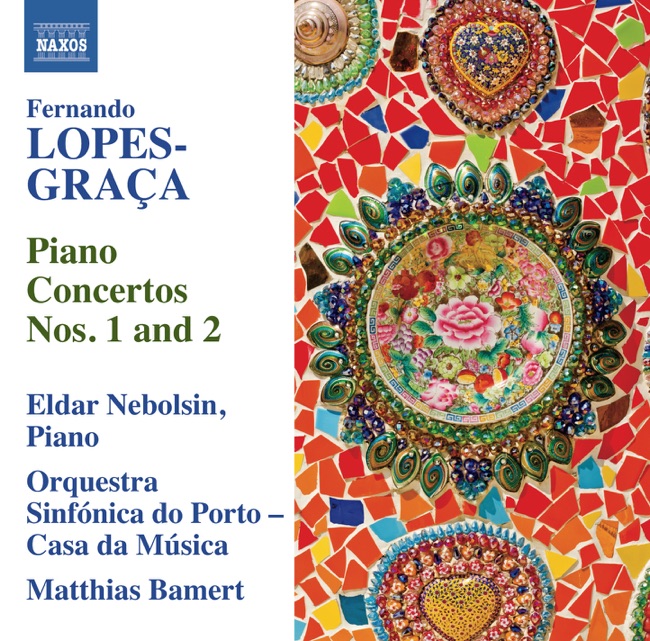 May 28, 2013
Vocal
-
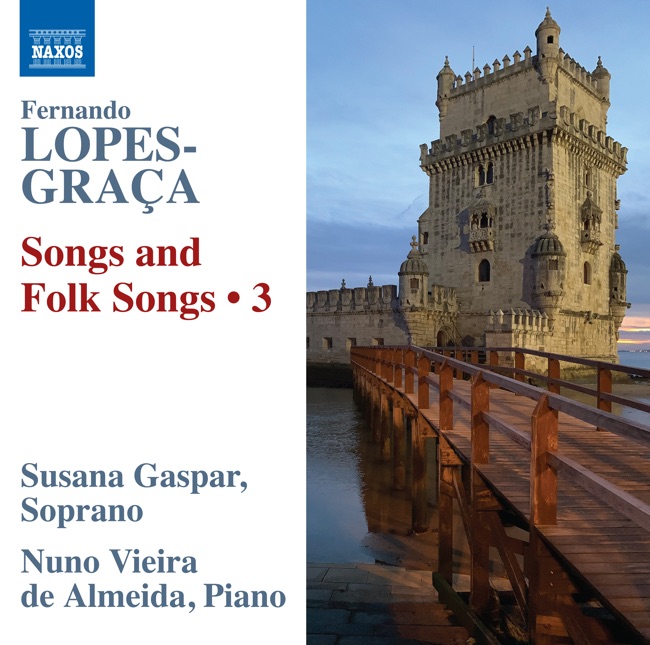 March 22, 2024
 -
 July 9, 2021
 -
 June 8, 2018
Keyboard
-
 January 22, 2021
 -
 May 10, 2019
 -

Artist Info
Role:ComposerCountry: PortugalBirth:December 17, 1906Death:November 27, 1994Genre:ConcertoFernando Lopes-Graça was a prominent Portuguese composer, conductor, and musicologist who made significant contributions to the development of classical music in Portugal. He was born on December 17, 1906, in Tomar, Portugal, to a family of musicians. His father, a music teacher, introduced him to music at an early age, and he began studying piano and composition when he was only six years old. Lopes-Graça's musical education continued at the Lisbon Conservatory, where he studied composition with Luís de Freitas Branco and piano with Francine Benoît. He also studied musicology at the University of Lisbon, where he earned a degree in 1929. During his studies, he became interested in folk music and began collecting and transcribing traditional Portuguese songs. In the 1930s, Lopes-Graça became involved in left-wing politics and joined the Portuguese Communist Party. His political beliefs influenced his music, and he began incorporating elements of folk music and socialist themes into his compositions. He also became a prolific writer, publishing articles on music and politics in various newspapers and magazines. Lopes-Graça's early works were influenced by the neoclassical style of his teacher, Luís de Freitas Branco. However, he soon began to develop his own style, which was characterized by the use of folk melodies, dissonant harmonies, and complex rhythms. His music was often criticized by the conservative Portuguese establishment, who saw it as too avant-garde and politically subversive. Despite the controversy surrounding his music, Lopes-Graça continued to compose and perform. He wrote music for a variety of ensembles, including orchestras, choirs, and chamber groups. Some of his most famous works include the "Suite Rústica," a collection of folk-inspired pieces for orchestra, and the "Cancioneiro de Belém," a collection of traditional Portuguese songs arranged for choir. In addition to his work as a composer, Lopes-Graça was also a respected conductor and musicologist. He conducted many of his own works and was a champion of contemporary Portuguese composers. He also wrote extensively on music, publishing several books on Portuguese folk music and musicology. Lopes-Graça's political activities eventually led to his arrest and imprisonment by the Salazar regime in 1949. He was released in 1950 but was banned from teaching and performing in public. Despite these restrictions, he continued to compose and publish music, and his works were performed in secret by underground musicians. After the fall of the Salazar regime in 1974, Lopes-Graça's music was rediscovered and celebrated. He was awarded numerous honors and prizes, including the Order of Saint James of the Sword and the Order of Merit. He continued to compose and conduct until his death on November 27, 1994, in Parede, Portugal. Today, Lopes-Graça is remembered as one of Portugal's most important composers and musicologists. His music, which combines elements of folk music, modernism, and political activism, continues to be performed and studied by musicians around the world. His legacy is a testament to the power of music to inspire and unite people, even in the face of political oppression and censorship.More....
Recent Artist Music

6
1:9


10
Old Greek Songs (7), Op. 58
No. 1. L'Agnelet 'Chant du berger' [The Little Lamb (Shepherd's Song)]
4:3

12

Portuguese rustic melodies Book 3 4 hands
Canto do S. João (Song for Saint John the Baptist)
1:30
13

Viagens Na Minha Terra (Travels in My Homeland)
I. Procissão de Penitência em São Gens de Calvos (Penitence Procession in São Gens de Calvos)
2:47
15
2:
Copyright Ⓒ 2013 Davinci Finger. All rights reseved
Service Terms & Policy