


Helmut Oehring
Released Album
Chamber
-
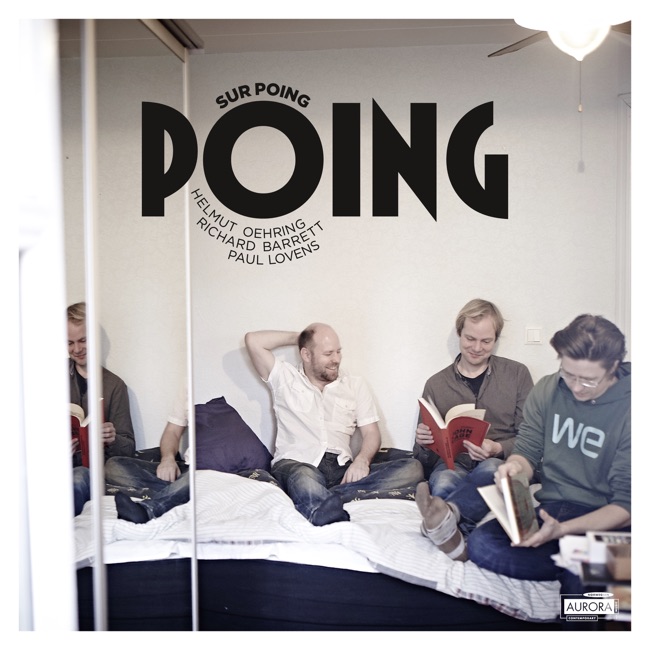 May 13, 2016
 -
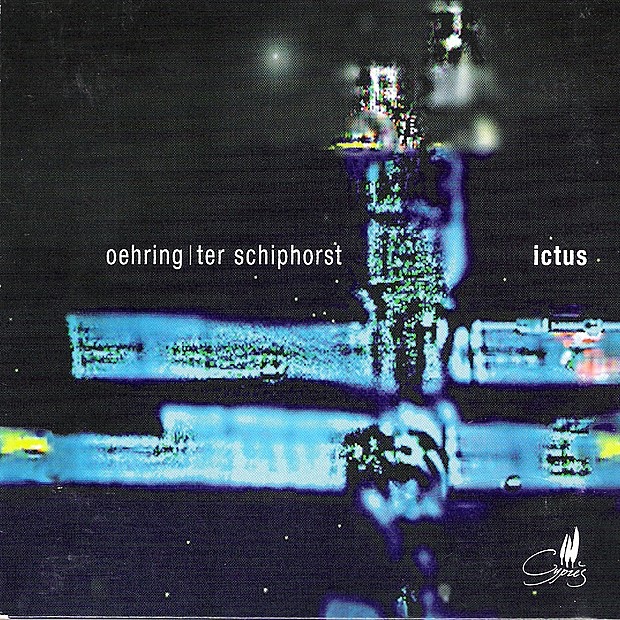 November 21, 2000
Orchestral
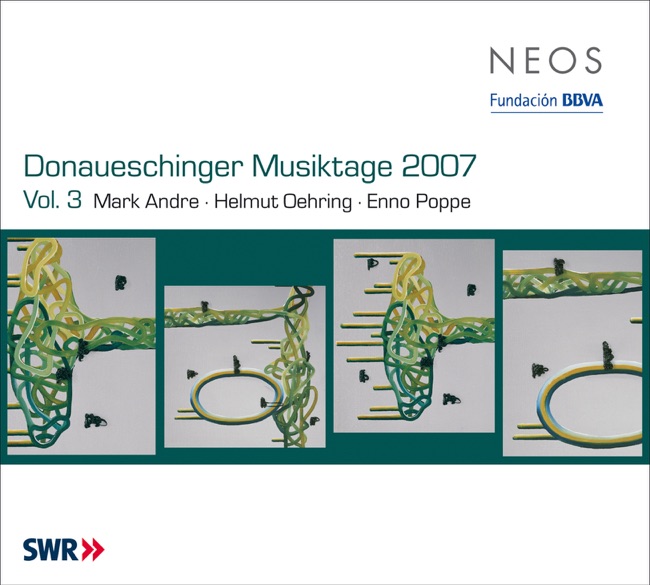
Artist Info
Role:ComposerBirth:1961Period:ContemporaryModernGenre:Avant-GardeChamberHelmut Oehring is a German composer, guitarist, and singer who was born on February 13, 1961, in East Berlin. He grew up in a musical family, with his father being a jazz musician and his mother a singer. Oehring started playing the guitar at the age of 12 and began composing music soon after. Oehring studied composition at the Hanns Eisler Academy of Music in Berlin from 1981 to 1986. During his studies, he was influenced by the works of composers such as Arnold Schoenberg, Anton Webern, and Luigi Nono. He also became interested in experimental music and started experimenting with different musical styles and techniques. In the early 1990s, Oehring became a member of the Berlin-based ensemble "Die Maulwerker," which specialized in experimental vocal music. He also started collaborating with other musicians and artists, including the composer and pianist Steffen Schleiermacher and the visual artist Via Lewandowsky. Oehring's early works were characterized by their experimental and avant-garde nature. He often used unconventional techniques and instruments, such as prepared guitar and extended vocal techniques. His music was also influenced by his interest in literature and philosophy, and he often incorporated texts and spoken word into his compositions. One of Oehring's early works is the chamber opera "Die Wunde Heine," which was premiered in 1992. The opera is based on the life and works of the German poet Heinrich Heine and features a libretto by the writer and director Thomas Brasch. The music combines elements of classical music, jazz, and rock, and features a variety of vocal and instrumental techniques. In the late 1990s, Oehring's music became more focused on political and social issues. He started incorporating themes such as war, violence, and oppression into his compositions. He also became interested in the music of non-Western cultures and started incorporating elements of Indian and Arabic music into his works. One of Oehring's most significant works from this period is the opera "Schwarz auf Weiss," which was premiered in 2000. The opera is based on the life and works of the German writer and Holocaust survivor Ruth Klüger and features a libretto by the writer and director Renate Welsh. The music combines elements of classical music, jazz, and rock, and features a variety of vocal and instrumental techniques. The opera deals with themes such as memory, trauma, and the Holocaust. In the 2000s, Oehring's music became more focused on electronic and computer-generated sounds. He started using computer software to manipulate and transform acoustic sounds, creating complex and layered textures. He also started collaborating with electronic musicians and DJs, incorporating elements of techno and electronica into his works. One of Oehring's most significant works from this period is the multimedia opera "Eislermaterial," which was premiered in 2003. The opera is based on the life and works of the German composer Hanns Eisler and features a libretto by the writer and director Heiner Goebbels. The music combines elements of classical music, jazz, and electronic music, and features a variety of vocal and instrumental techniques. The opera deals with themes such as politics, ideology, and artistic freedom. In recent years, Oehring's music has become more focused on the human voice. He has started working with vocal ensembles and choirs, exploring the possibilities of the human voice as an instrument.More....
Recent Artist Music
3
22:46
4
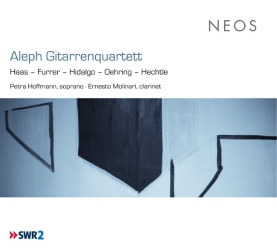
Me.Silence. quartet & pre-recorded performance CD
Mich.Stille., for guitar quartet & pre-recorded performance CD
11:6
Copyright Ⓒ 2013 Davinci Finger. All rights reseved
Service Terms & Policy