


Josef Bohuslav Foerster
Released Album
Chamber
-
-
 August 18, 2017
 -
 May 12, 2017
 -
 March 26, 2012
 -
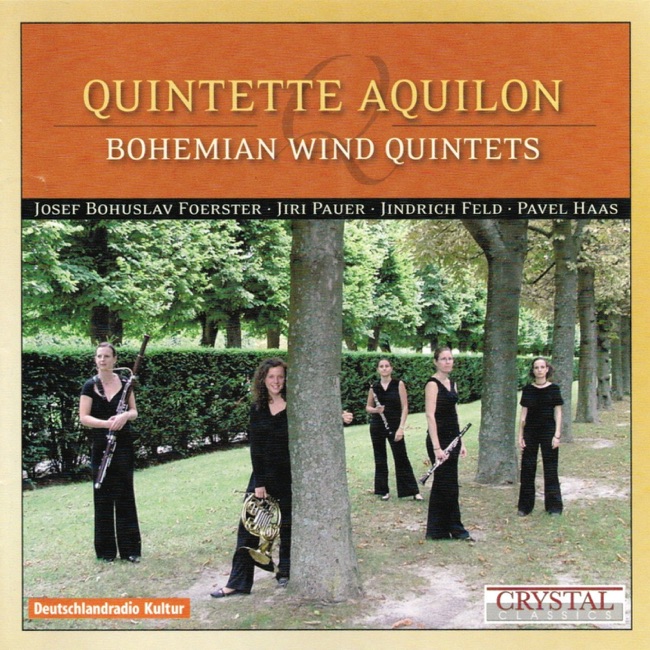 August 5, 2011
 -
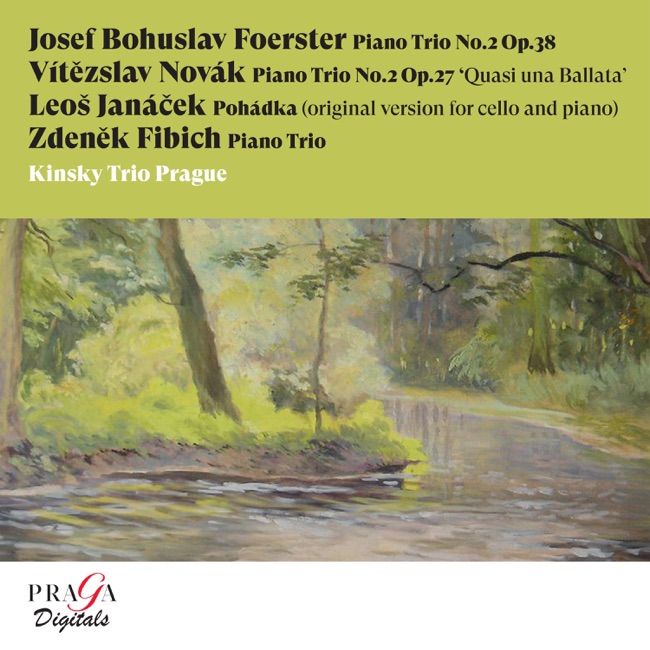 April 12, 2011
Opera
-
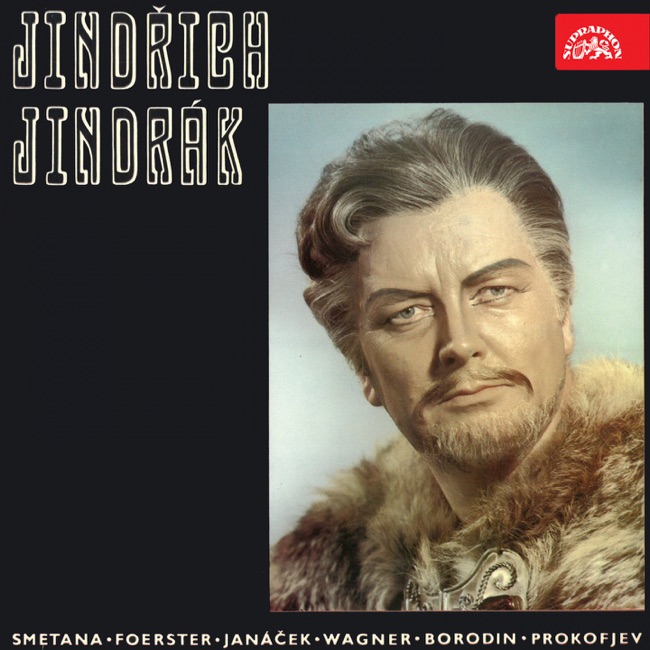
-
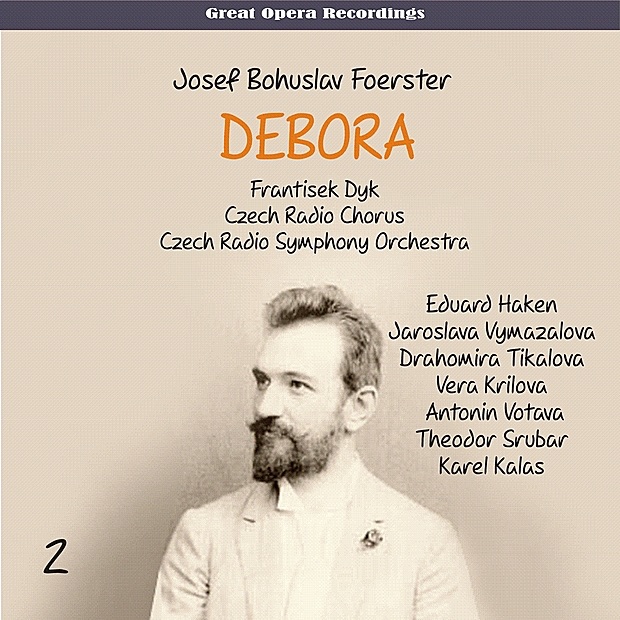 September 29, 2010
 -
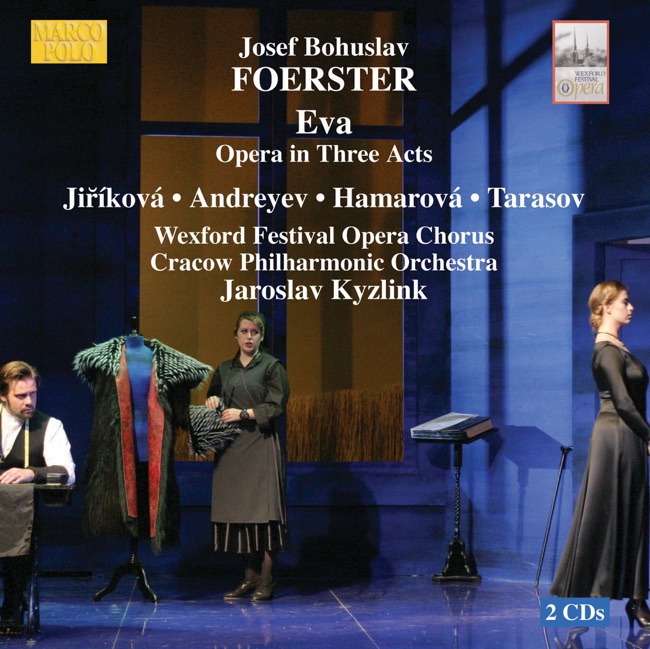 October 18, 2005
 -
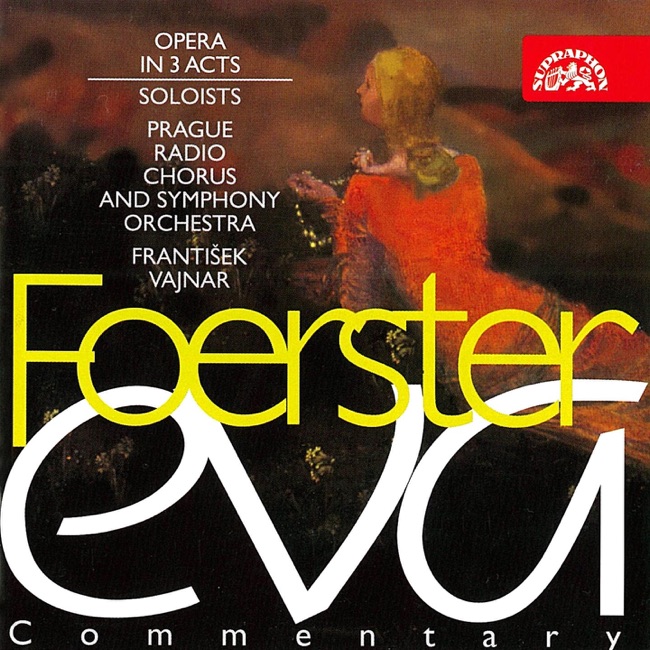 1984
1984 -
-
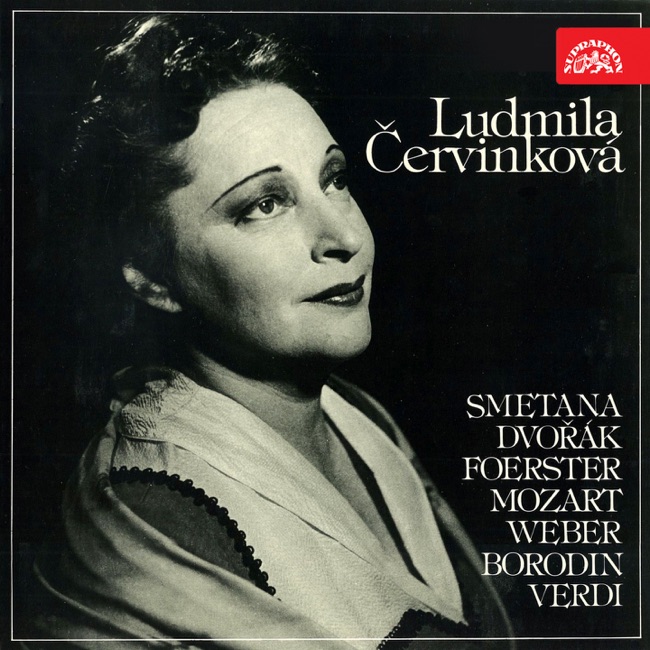
Vocal
-
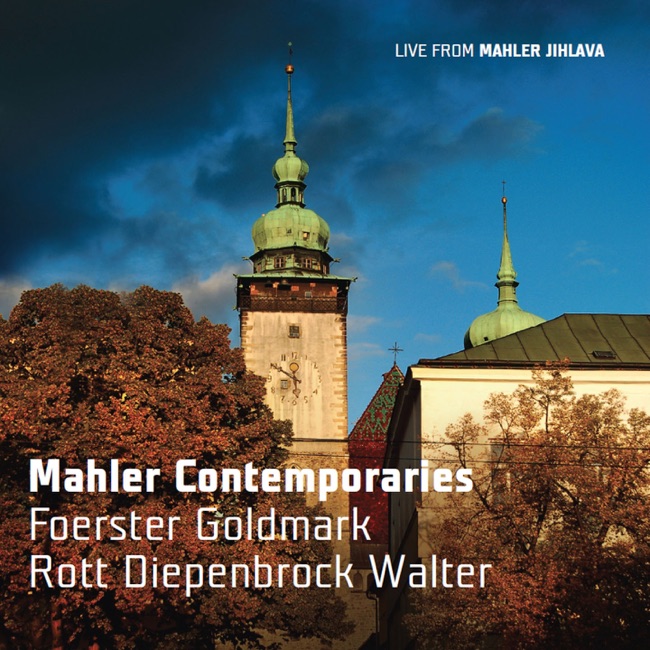 September 11, 2015
 -
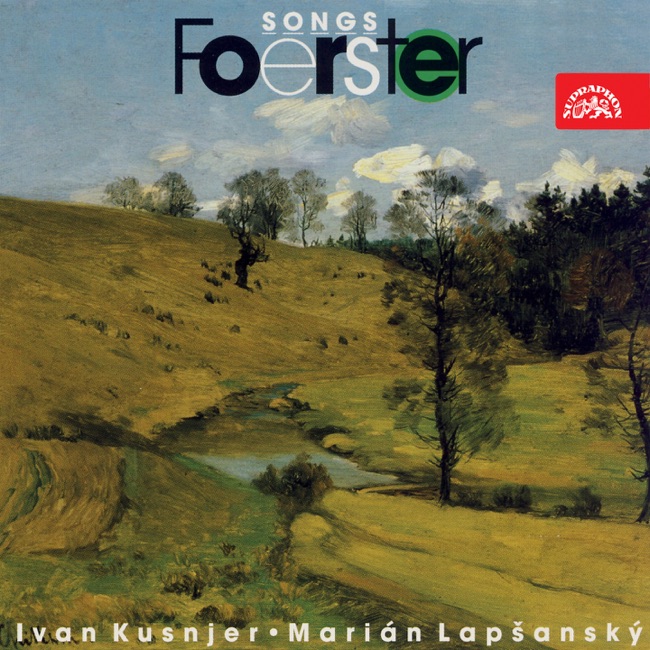 October 30, 2001
 -
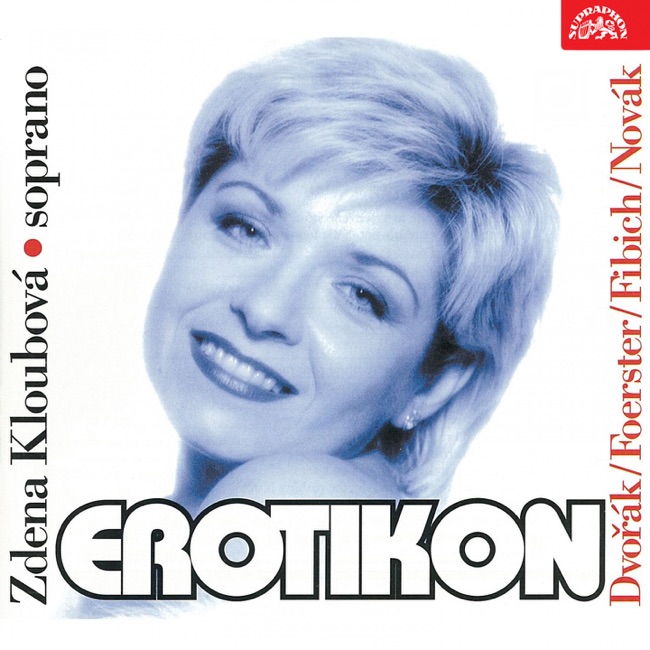 1999
1999 -
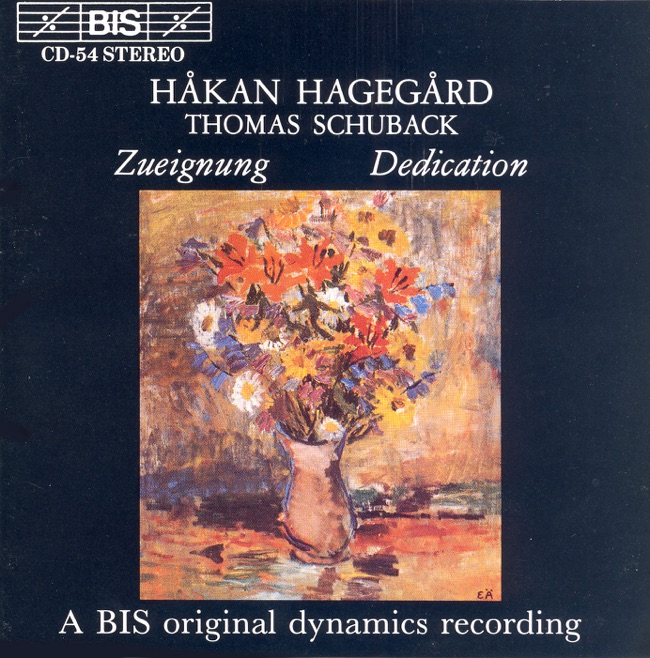 September 22, 1994
Orchestral
-
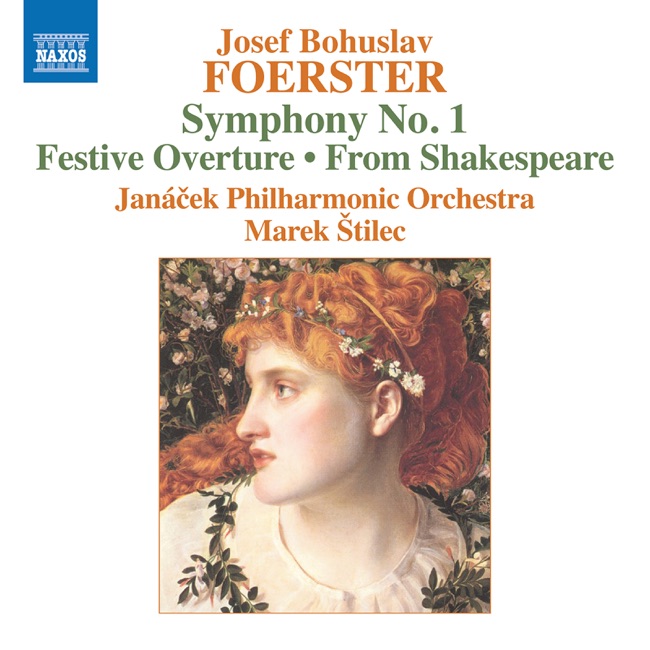 October 14, 2022
 -
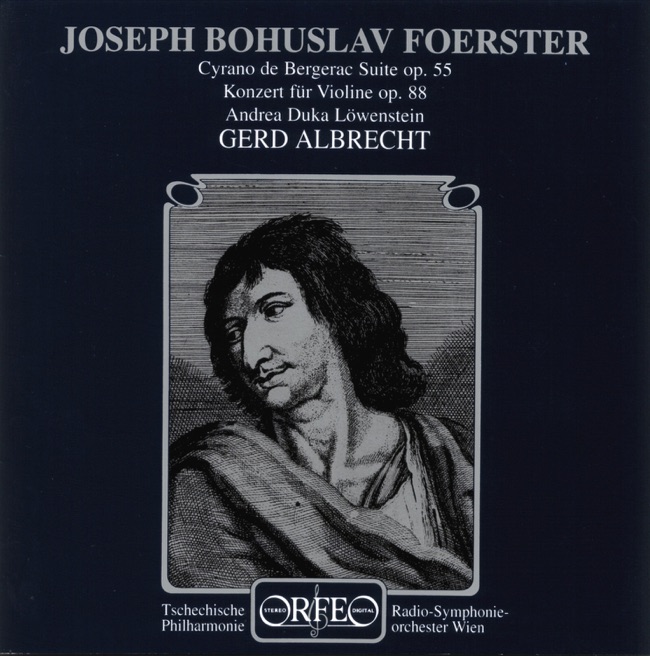 September 16, 2000
Artist Info
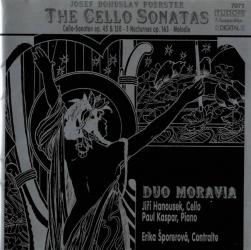
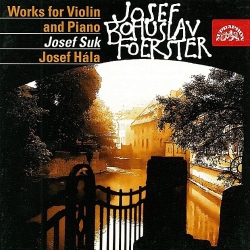
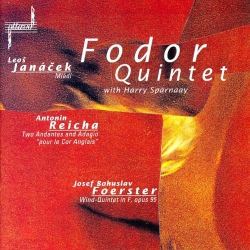
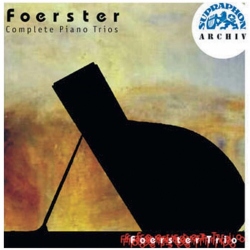
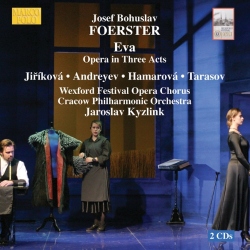
Role:ComposerCountry: Czech RepublicBirth:December 30, 1859Death:May 29, 1951Period:RomanticContemporaryGenre:ChamberChoralConcertoKeyboardOperaOrchestralSymphonyVocalJosef Bohuslav Foerster was a Czech composer and music critic who was born on December 30, 1859, in Prague, Czech Republic. He was the son of a famous Czech composer, Josef Foerster, and grew up in a musical family. His father was his first music teacher, and he began composing at a young age. Foerster studied at the Prague Conservatory, where he was a student of Antonín Dvořák. He also studied in Vienna and Leipzig, where he was influenced by the music of Wagner and Brahms. In 1884, he returned to Prague and began working as a music critic for the newspaper Národní listy. Foerster's early compositions were influenced by the Romantic style of his father and Dvořák. However, he soon developed his own style, which was characterized by a blend of Czech folk music and German Romanticism. His music was often lyrical and expressive, with a strong sense of melody and harmony. One of Foerster's most famous works is his Symphony No. 3 in E-flat major, Op. 36, which he composed in 1901. The symphony is a tribute to his wife, the soprano Berta Lautererová, who had died the previous year. The work is deeply emotional and reflects Foerster's grief and loss. It is considered one of his finest works and is still performed today. Foerster also composed a number of operas, including Eva, which premiered in Prague in 1899. The opera is based on the biblical story of Adam and Eve and is notable for its use of Czech folk music. Foerster's other operas include Jessika, which premiered in 1924, and Ghetto, which premiered in 1926. In addition to his work as a composer, Foerster was also a respected music critic. He wrote for several newspapers and magazines, including Národní listy, Hudební revue, and Dalibor. He was known for his insightful and thoughtful reviews, which often focused on the music of his contemporaries. Foerster was also a teacher and mentor to many young composers. He taught at the Prague Conservatory and was a member of the Czech Academy of Sciences and Arts. He was a respected figure in the Czech music community and was known for his generosity and kindness. Foerster's later works were influenced by the political and social upheaval of his time. He was deeply affected by the First World War and the collapse of the Austro-Hungarian Empire. His music became more introspective and reflective, with a focus on themes of loss and mourning. Foerster continued to compose until his death in Nový Vestec, Czech Republic, on May 29, 1951. He left behind a rich legacy of music that continues to be performed and appreciated today. His work is an important part of the Czech classical music tradition and reflects the cultural and historical context in which it was created.More....
Recent Artist Music
3
8:32
4
2:30

7
6:30
9
9:29
Copyright Ⓒ 2013 Davinci Finger. All rights reseved
Service Terms & Policy