


Léon Boëllmann
Released Album
Keyboard
-
 May 15, 2024
 -
 February 9, 2024
 -
 January 30, 2024
 -
 December 22, 2023
 -
-
 February 24, 2023
Chamber
-
 June 28, 2023
 -
-
 July 15, 2015
 -
-
 July 31, 2012
 -
Concerto
-
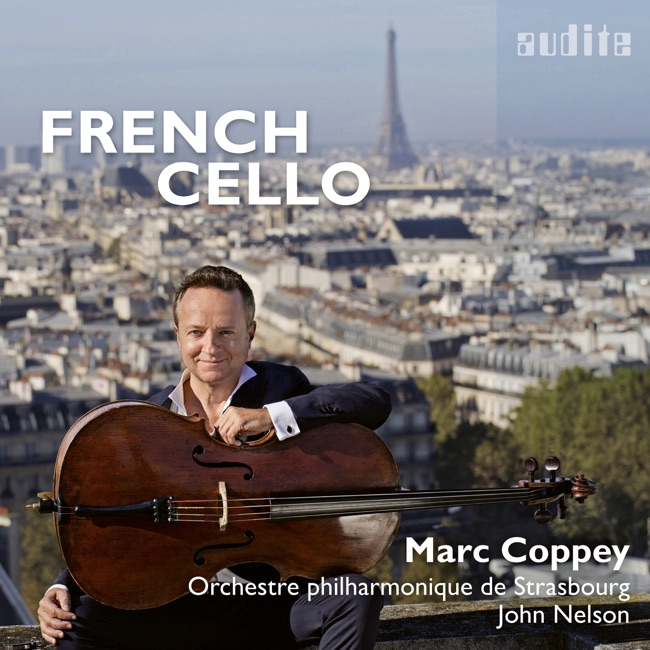 April 15, 2022
 -
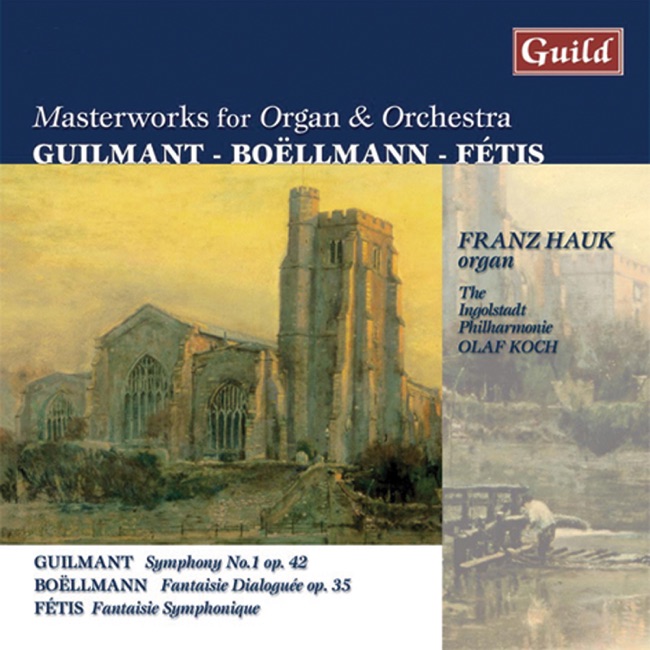
-
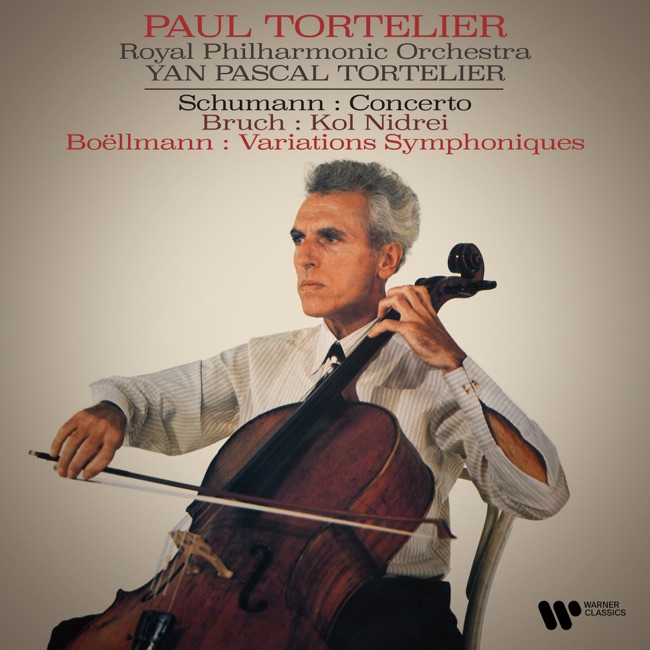
Artist Info
Role:ComposerCountry: FranceBirth:September 25, 1862 in Ensisheim, AlsaceDeath:October 11, 1897 in Paris, FrancePeriod:RomanticGenre:KeyboardLéon Boëllmann was a French composer and organist who lived from 1862 to 1897. He was born in Ensisheim, a small town in the Alsace region of France, and showed an early aptitude for music. His father was a local musician and organist, and he began teaching Léon the piano and organ at a young age. Boëllmann's talent was recognized early on, and he was sent to study at the Paris Conservatory when he was just 15 years old. There, he studied under some of the most prominent musicians of the time, including César Franck and Charles-Marie Widor. He excelled in his studies, winning several prizes and awards, and was considered one of the most promising young musicians of his generation. After completing his studies, Boëllmann began a career as a church organist and composer. He held several positions as an organist in Paris, including at the Church of Saint-Vincent-de-Paul and the Church of Saint-Jean-Baptiste-de-Belleville. He also taught music at the École Niedermeyer, a school for church musicians. Boëllmann's music was heavily influenced by the French Romantic tradition, and he was particularly drawn to the music of Franck and Widor. His compositions are characterized by their lush harmonies, intricate counterpoint, and virtuosic organ writing. He was also a skilled pianist and wrote several works for that instrument as well. One of Boëllmann's most famous works is his Suite gothique, Op. 25, which was composed in 1895. The suite is a four-movement work for organ, and is one of the most popular pieces in the organ repertoire. The first movement, Introduction-Choral, is a majestic and grandiose piece that showcases the full power of the organ. The second movement, Menuet gothique, is a lively dance in triple meter that features intricate counterpoint and a playful melody. The third movement, Prière à Notre-Dame, is a beautiful and contemplative piece that is often played at weddings and other religious ceremonies. The final movement, Toccata, is a virtuosic tour-de-force that is often used as a showpiece for organists. Another notable work by Boëllmann is his Suite No. 2, Op. 27, which was composed in 1896. This suite is also for organ, and is a three-movement work that showcases Boëllmann's skill at writing for the instrument. The first movement, Prélude, is a grand and majestic piece that features a soaring melody and intricate harmonies. The second movement, Menuet, is a lively dance in triple meter that is reminiscent of the Baroque era. The final movement, Toccata, is a virtuosic piece that is similar in style to the Toccata from the Suite gothique. Boëllmann also wrote several works for piano, including his Suite dans le style ancien, Op. 10, which was composed in 1889. This suite is a four-movement work that is inspired by the music of the Baroque era. The first movement, Prélude, is a grand and majestic piece that features a flowing melody and intricate harmonies. The second movement, Allemande, is a lively dance in duple meter that is reminiscent of the music of Bach. The third movement, Sarabande, is a slow and stately piece that features a beautiful melody and rich harmonies. The final movement, Gigue, is a lively dance in compound meter that is full of energy and vitality. Boëllmann's life was tragically cut short when he died of tuberculosis at the age of 35.More....
Recent Artist Music


13
9:0





Copyright Ⓒ 2013 Davinci Finger. All rights reseved
Service Terms & Policy