


Richard Lloyd
Released Album
Choral
-
 July 23, 2018
 -
 June 16, 2017
 -
 October 28, 2016
 -
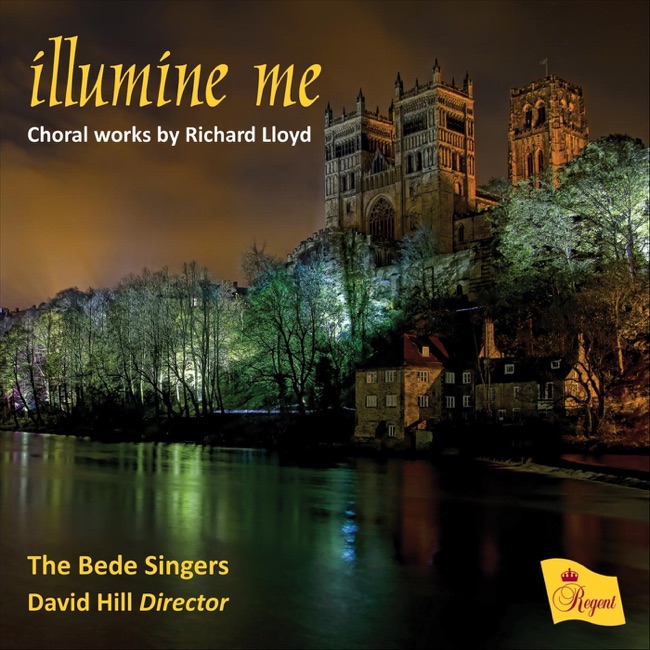 August 21, 2015
 -
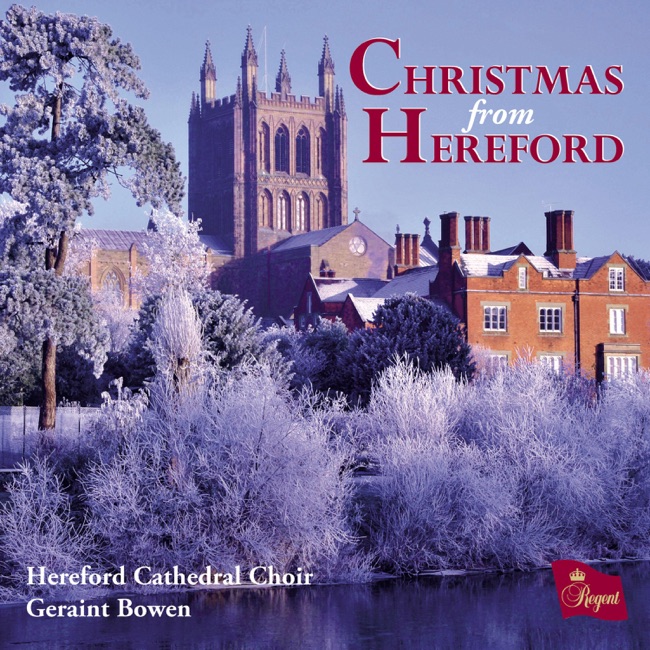 September 10, 2012
 -
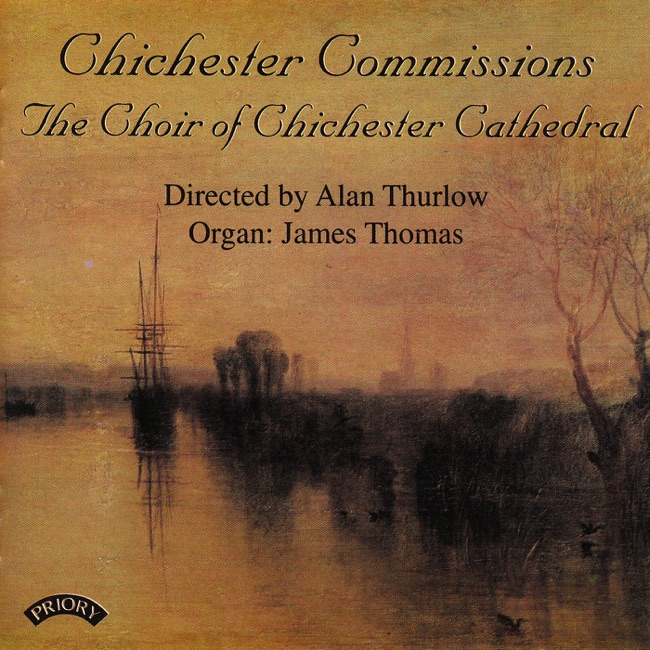 September 15, 2009
Miscellaneous
-
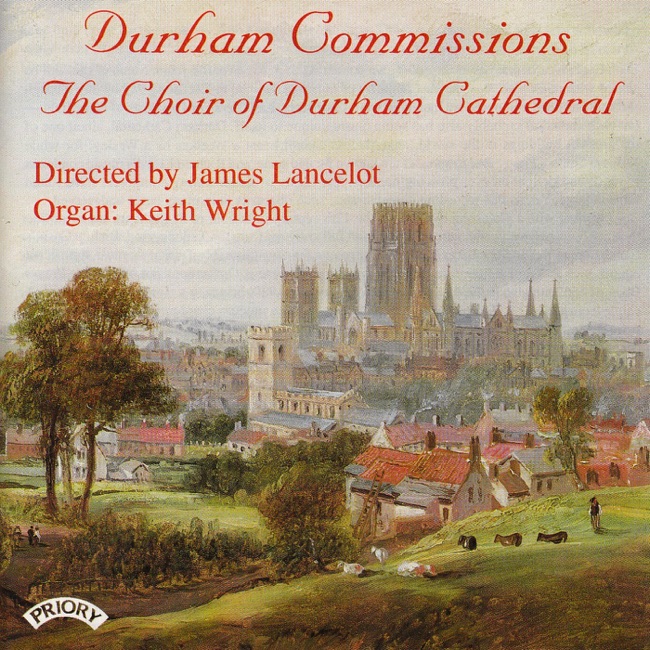 June 24, 1997
 -
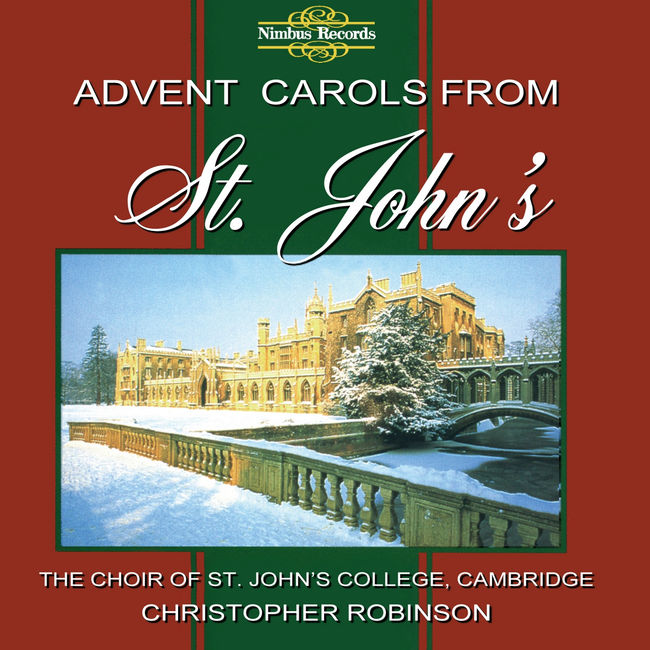 November 1, 1994
Keyboard
-
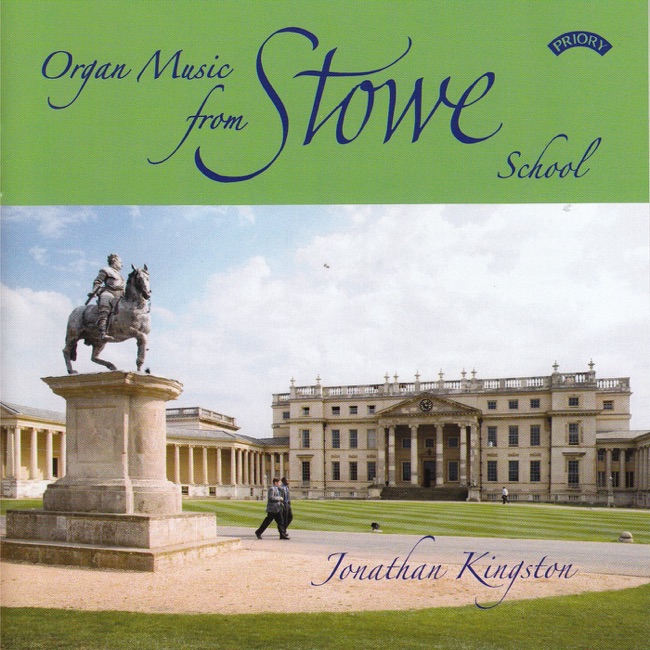 November 6, 2007
Artist Info
Role:Composer ConductorBirth:1933Period:ContemporaryGenre:ChoralRichard Lloyd was a British composer and conductor who was born on October 4, 1933, in London, England. He was the son of a music teacher and grew up in a musical family. His father was a pianist and his mother was a singer, and they both encouraged him to pursue a career in music. Lloyd began his musical education at an early age, studying piano and violin. He later attended the Royal Academy of Music in London, where he studied composition with Alan Bush and conducting with Sir Adrian Boult. He also studied at the Paris Conservatoire with Nadia Boulanger. Lloyd's early compositions were influenced by the music of Benjamin Britten and Igor Stravinsky. He was particularly interested in the use of rhythm and harmony in their music, and he incorporated these elements into his own compositions. Lloyd's first major work was his Symphony No. 1, which he composed in 1958. The symphony was well-received and established Lloyd as a promising young composer. He went on to compose a number of other orchestral works, including his Symphony No. 2, which was premiered by the London Symphony Orchestra in 1962. In addition to his orchestral works, Lloyd also composed a number of chamber music pieces, including his String Quartet No. 1, which was premiered by the Amadeus Quartet in 1964. He also wrote several works for solo piano, including his Piano Sonata No. 1, which was premiered by the pianist Peter Katin in 1966. Lloyd's music was characterized by its rhythmic vitality and harmonic complexity. He often used irregular meters and complex chord progressions in his compositions, which gave his music a distinctive sound. He was also known for his use of orchestral color, and he often used unusual combinations of instruments to create unique textures and timbres. In addition to his work as a composer, Lloyd was also a respected conductor. He served as the principal conductor of the English Chamber Orchestra from 1969 to 1973, and he also conducted the London Symphony Orchestra, the Royal Philharmonic Orchestra, and the BBC Symphony Orchestra, among others. Lloyd's later works were more experimental in nature, and he began to incorporate electronic music into his compositions. He also became interested in the use of improvisation in classical music, and he wrote several works that allowed for improvisation by the performers. One of Lloyd's most notable works from this period was his Symphony No. 8, which was premiered in 1984. The symphony was written for orchestra and synthesizer, and it featured a number of improvisational sections. The work was well-received and demonstrated Lloyd's willingness to experiment with new musical forms and techniques. Lloyd continued to compose and conduct throughout his career, and he was recognized for his contributions to classical music with a number of awards and honors. He was made a Commander of the Order of the British Empire in 1985, and he was awarded the Ivor Novello Award for Classical Music in 1994. Richard Lloyd died on July 3, 1999, at the age of 65. He left behind a legacy of innovative and influential music, and his contributions to classical music continue to be celebrated and studied today.More....
Recent Artist Music


Copyright Ⓒ 2013 Davinci Finger. All rights reseved
Service Terms & Policy