


Friedrich Schiller
Released Album
Symphony
-
 July 6, 2022
 -
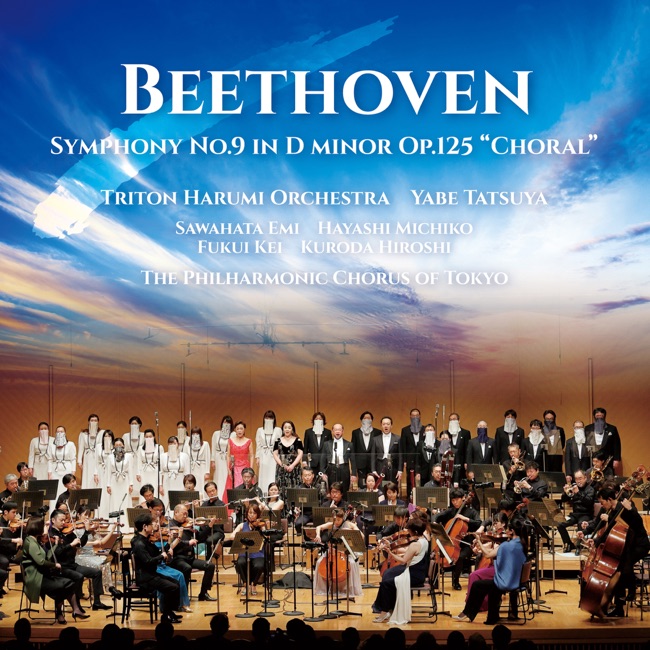 March 9, 2022
Vocal
-
 April 19, 2022
 -
 January 15, 2021
Artist Info
Role:PerformerFriedrich Schiller was a German poet, playwright, and philosopher who lived from 1759 to 1805. He is widely regarded as one of the most important figures in German literature and culture, and his works continue to be studied and performed around the world. Schiller was born in Marbach am Neckar, a small town in southwestern Germany. His father was an army officer, and his mother was the daughter of a local innkeeper. Schiller was the second of five children, and he grew up in a strict and disciplined household. As a child, Schiller was fascinated by literature and the arts. He read voraciously and wrote his own stories and poems. He also showed a talent for music, playing the flute and singing in the local church choir. In 1773, Schiller enrolled at the University of Stuttgart to study law. However, he quickly became disillusioned with the subject and began to focus more on his literary and artistic pursuits. He wrote several plays and poems during this time, including his first major work, "The Robbers," which was published in 1781. "The Robbers" was a sensation, and it made Schiller famous overnight. The play tells the story of two brothers, one of whom becomes a bandit and the other a nobleman. It explores themes of justice, morality, and the struggle between good and evil. The play was controversial for its time, and it was banned in several German cities. Despite the controversy, "The Robbers" established Schiller as a major literary figure. He went on to write several more plays, including "Don Carlos," "Wallenstein," and "Mary Stuart," which are still performed today. In addition to his plays, Schiller also wrote poetry and essays. His poetry is known for its emotional intensity and its exploration of themes such as love, death, and nature. His essays, meanwhile, cover a wide range of topics, from aesthetics to politics to philosophy. Schiller's work was not only popular in Germany, but it also had a significant impact on the wider European cultural scene. His plays were performed in theaters across Europe, and his ideas influenced many other writers and thinkers of the time. In addition to his literary achievements, Schiller was also a talented musician. He played the flute and composed several pieces of music, including a setting of "Ode to Joy," which was later used by Beethoven in his Ninth Symphony. Schiller's life was not without its challenges, however. He suffered from poor health throughout his life, and he struggled with financial difficulties. He also had a difficult relationship with the authorities, who saw his work as subversive and dangerous. Despite these challenges, Schiller continued to write and create until his death in 1805. His legacy lives on today, and his work continues to inspire and influence artists and thinkers around the world.More....
Recent Artist Music



Copyright Ⓒ 2013 Davinci Finger. All rights reseved
Service Terms & Policy