


Manuel de Zumaya
Released Album
Choral
-
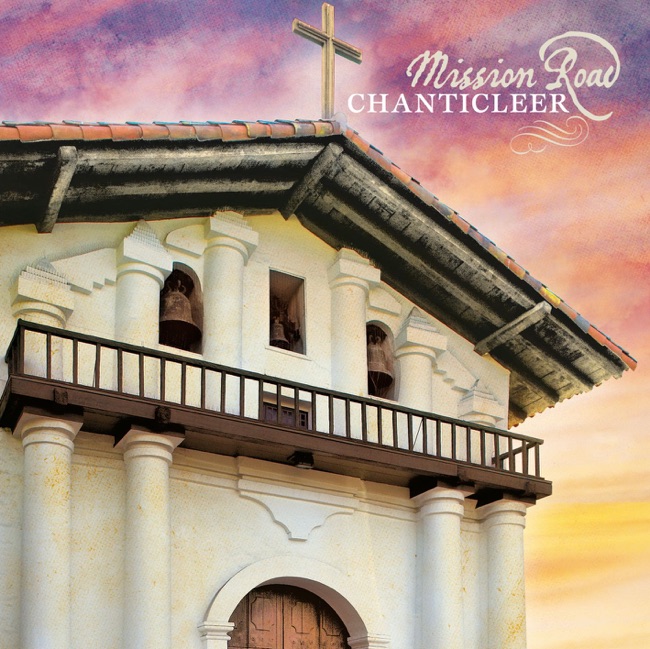 August 26, 2008
 -
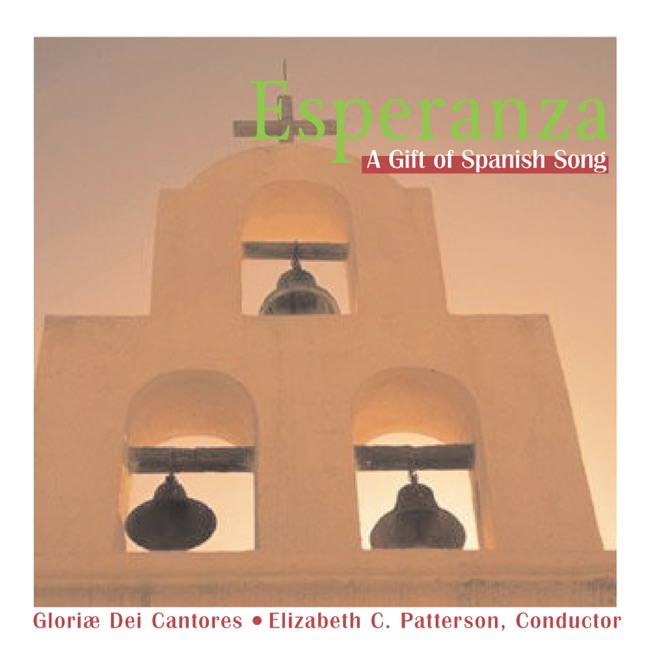 October 4, 2005
 -
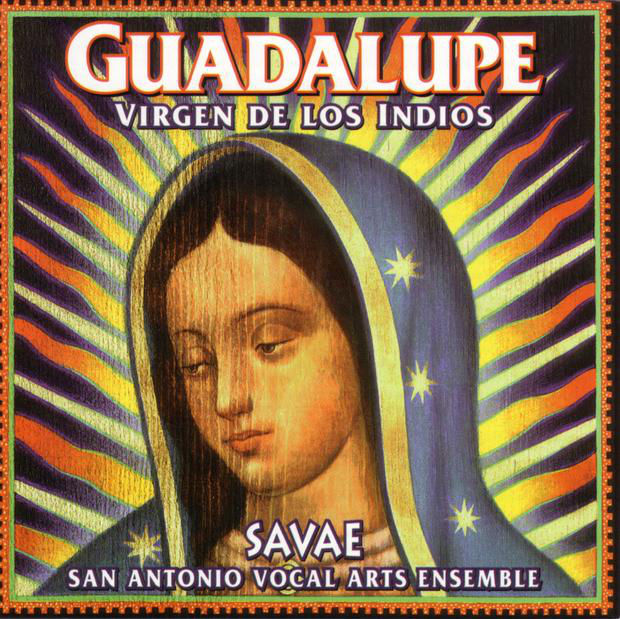 January 1, 2004
 -
 May 26, 2003
 -
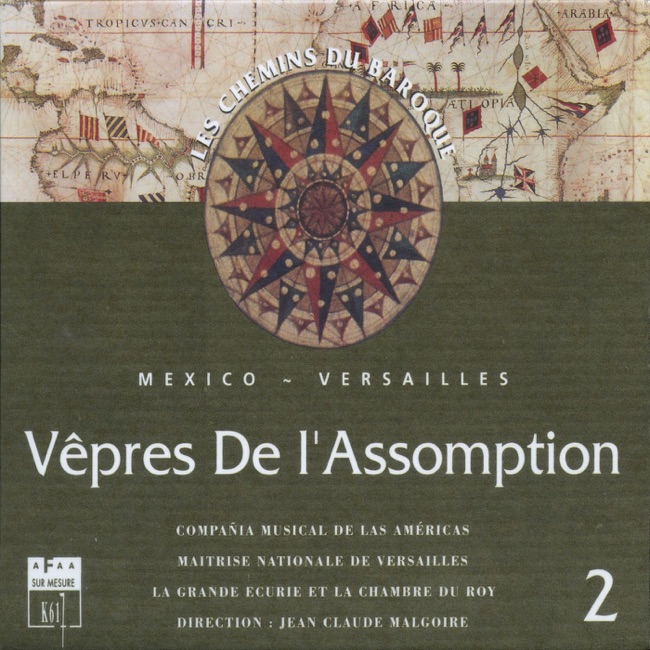 April 9, 2002
 -
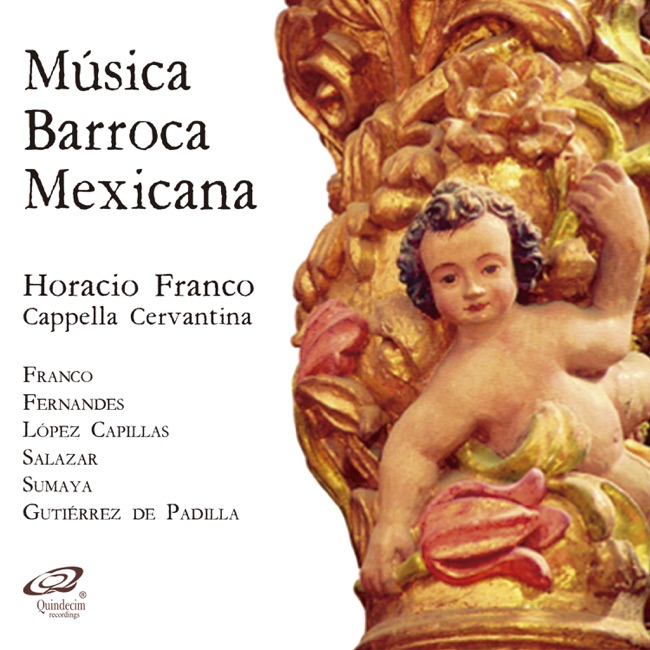 September 15, 1998
Vocal
-

-
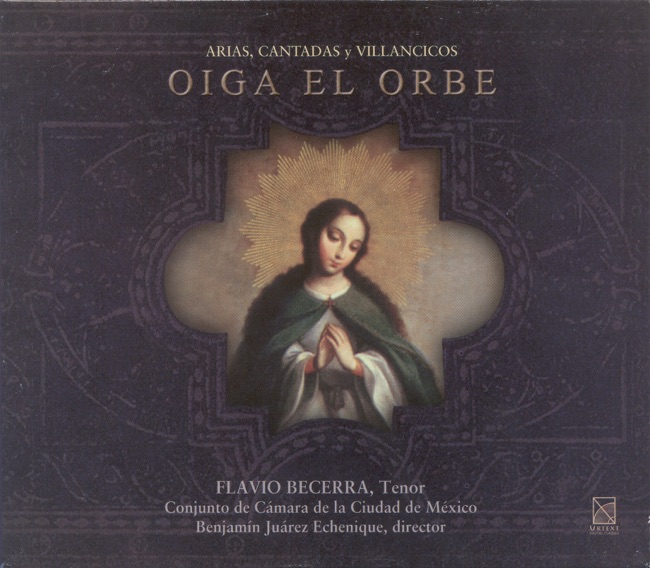 July 2, 2002
Artist Info
Role:ComposerCountry: MexicoBirth:ca. 1678Death:December 21, 1755 in Oaxaca, MexicoPeriod:BaroqueGenre:ChoralVocalManuel de Zumaya was a prominent Mexican composer of the Baroque era. He was born in Mexico City in 1678, and his musical talent was evident from a young age. He was the son of a Spanish father and a Mexican mother, and he grew up in a musical household. His father was a musician, and his mother was a singer. Zumaya began his musical education at a young age, studying with his father and other local musicians. He quickly showed a talent for composition, and by the age of 20, he had already composed several works for the church. In 1700, he was appointed as the maestro de capilla (music director) at the Cathedral of Mexico City, a position he held for the rest of his life. As maestro de capilla, Zumaya was responsible for composing music for the cathedral's liturgical services. He composed a large number of works for the church, including masses, motets, hymns, and villancicos (Christmas carols). His music was highly regarded by his contemporaries, and he was considered one of the leading composers of his time in Mexico. Zumaya's music was heavily influenced by the European Baroque style, but he also incorporated elements of Mexican folk music into his compositions. He was particularly known for his use of syncopated rhythms and lively dance rhythms, which gave his music a distinctly Mexican flavor. One of Zumaya's most famous works is his Christmas cantata "Los pastores a Belén" (The Shepherds to Bethlehem). This work tells the story of the shepherds who traveled to Bethlehem to see the newborn Jesus. It is a lively and joyful piece, with a catchy melody and lively rhythms. It has become a beloved Christmas carol in Mexico and is still performed today. Another notable work by Zumaya is his "Missa de requiem" (Requiem Mass), which he composed in 1711. This work is a solemn and mournful piece, written in memory of the deceased. It is a beautiful and moving work, with rich harmonies and expressive melodies. Zumaya's music was not only popular in Mexico but also in Spain, where it was performed by the royal court. In 1716, Zumaya traveled to Spain to present his music to King Philip V. The king was so impressed with Zumaya's music that he appointed him as the maestro de capilla at the Royal Chapel in Madrid. Zumaya held this position for several years, composing music for the royal court and performing for the king and his guests. Despite his success in Spain, Zumaya remained loyal to his homeland of Mexico. He returned to Mexico in 1722 and resumed his position as maestro de capilla at the Cathedral of Mexico City. He continued to compose music for the church and to teach music to young musicians. Zumaya's legacy as a composer and musician is still felt in Mexico today. His music is still performed and celebrated, and he is considered one of the most important composers of the Baroque era in Mexico. His use of Mexican folk music in his compositions helped to create a unique and distinctly Mexican style of music that continues to be celebrated and enjoyed today.More....
Recent Artist Music

12
3:26
Copyright Ⓒ 2013 Davinci Finger. All rights reseved
Service Terms & Policy