


Josef Weinberger
Released Album
Orchestral
-
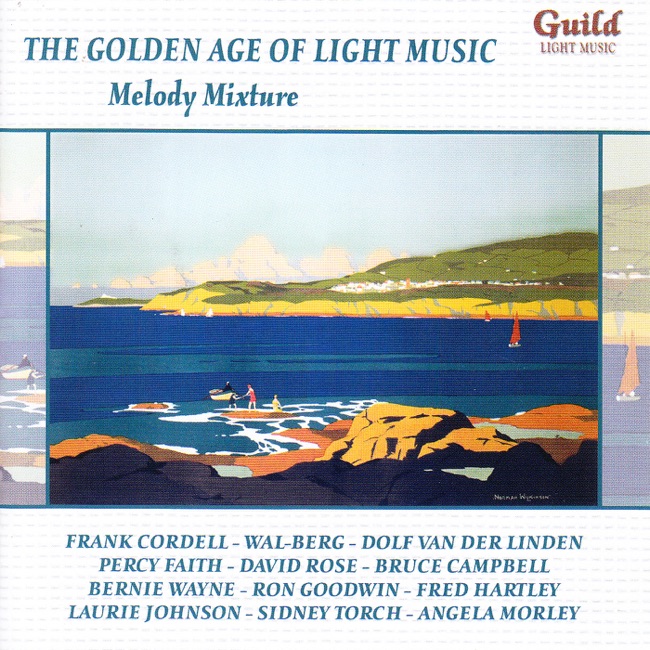 December 3, 2012
 -
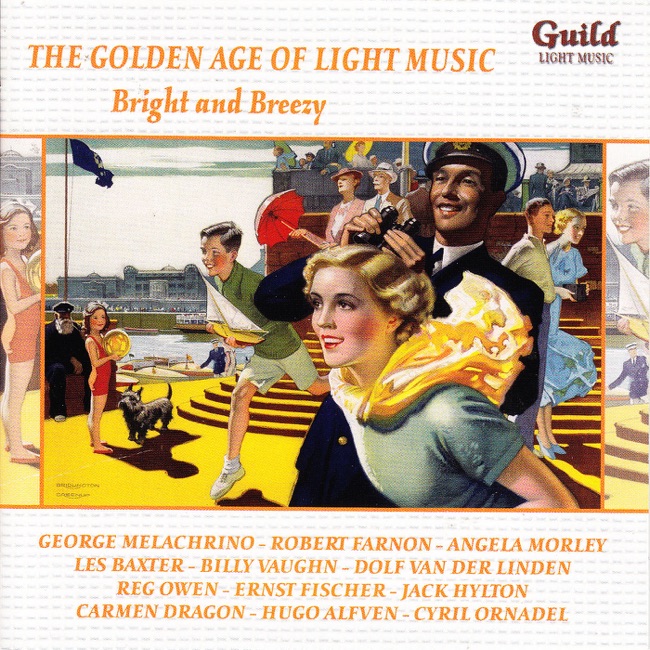 July 4, 2011
Artist Info
Role:ConductorJosef Weinberger was a prominent figure in the world of classical music, known for his contributions as a composer, conductor, and publisher. Born on August 1, 1879, in Vienna, Austria, Weinberger showed an early interest in music and began studying piano and composition at a young age. Weinberger's talent as a composer was recognized early on, and he began to gain recognition for his work in his early twenties. In 1902, he won the prestigious Beethoven Prize for his Symphony No. 1, which was performed by the Vienna Philharmonic Orchestra. This early success set the stage for a long and illustrious career in music. Throughout his career, Weinberger was known for his versatility as a composer, working in a variety of genres and styles. He wrote operas, ballets, symphonies, chamber music, and more, and his work was performed by some of the most prestigious orchestras and ensembles in the world. One of Weinberger's most famous works is his opera Schwanda the Bagpiper, which premiered in Prague in 1927. The opera was an instant success and quickly became one of the most popular works in the operatic repertoire. It has been performed countless times since its premiere and remains a beloved work of classical music to this day. In addition to his work as a composer, Weinberger was also a respected conductor. He served as the conductor of the Vienna Volksoper from 1924 to 1938, and later conducted the Vienna State Opera and the Berlin State Opera. He was known for his dynamic and expressive conducting style, and his performances were always highly anticipated by audiences and critics alike. Weinberger's contributions to the world of classical music were not limited to his work as a composer and conductor, however. He was also a successful music publisher, founding the Josef Weinberger music publishing company in 1900. The company quickly became one of the most important music publishers in Europe, and today it remains a leading publisher of classical music. Throughout his career, Weinberger received numerous awards and honors for his contributions to music. In 1932, he was awarded the Austrian Cross of Honor for Science and Art, and in 1938 he was awarded the Goethe Medal by the German government. He was also a member of the Royal Academy of Music in London and the American Academy of Arts and Letters. Despite his many accomplishments, Weinberger's life was not without its challenges. He was forced to flee Austria in 1938 following the Nazi annexation of the country, and he spent the rest of his life in exile in London. Despite this difficult period, however, Weinberger continued to compose and publish music, and his legacy as one of the most important figures in classical music remains secure to this day. In conclusion, Josef Weinberger was a true giant of classical music, whose contributions as a composer, conductor, and publisher continue to be felt to this day. His versatility as a composer, his expressive conducting style, and his pioneering work as a music publisher all helped to shape the world of classical music in the 20th century and beyond. Despite the challenges he faced in his life, Weinberger remained dedicated to his craft and his legacy as one of the greatest figures in classical music remains secure to this day.More....
Recent Artist Music
Copyright Ⓒ 2013 Davinci Finger. All rights reseved
Service Terms & Policy