


Vincenzo Righini
Released Album
Opera
-
-
 December 7, 1993
Vocal
Chamber
-
 September 13, 2013
Artist Info
Role:ComposerCountry: ItalyBirth:January 22, 1756Death:August 19, 1812Period:ClassicalGenre:ChoralOperaVocalVincenzo Righini was an Italian composer of classical music who was born on September 22, 1756, in Bologna, Italy. He was the son of a violinist and composer, Antonio Righini, who was also a member of the Bologna Philharmonic Academy. Vincenzo Righini showed an early interest in music and began studying the violin and composition with his father at a young age. In 1772, at the age of 16, Righini was appointed as the organist at the church of San Giovanni in Monte in Bologna. He continued to study music and composition with Padre Giovanni Battista Martini, a renowned music theorist and composer. Righini's talent as a composer was recognized early on, and he began to receive commissions for his works. In 1776, Righini composed his first opera, "Il convito," which was performed in Bologna. This was followed by several other successful operas, including "La schiava liberata" (1778) and "La vedova scaltra" (1780). Righini's operas were known for their melodic beauty and dramatic intensity, and they were performed throughout Italy. In 1784, Righini was appointed as the maestro di cappella at the court of the Duke of Württemberg in Stuttgart, Germany. He remained in this position for 25 years, during which time he composed a large number of works, including operas, oratorios, cantatas, and instrumental music. Righini's music was highly regarded in Germany, and he was considered one of the leading composers of his time. One of Righini's most famous works is his opera "Alcide al bivio," which was first performed in Stuttgart in 1785. The opera is based on the myth of Hercules at the crossroads and features arias and duets that showcase Righini's gift for melody and dramatic expression. Another notable work is Righini's oratorio "La morte di Abele," which was first performed in Stuttgart in 1792. The oratorio tells the story of Cain and Abel and features arias, choruses, and recitatives that demonstrate Righini's skill as a composer of sacred music. In addition to his work as a composer, Righini was also a respected music teacher. He taught composition and music theory to several students, including the composer Carl Maria von Weber. Righini's influence on Weber's music can be heard in the latter's use of Italian operatic style and his emphasis on melody. Righini remained in Stuttgart until 1809, when he returned to Italy. He continued to compose music, but his output decreased in his later years. He died on August 19, 1812, in Bologna, Italy, at the age of 55. Vincenzo Righini was a prolific composer who left behind a large body of work that includes operas, oratorios, cantatas, and instrumental music. His music is characterized by its melodic beauty, dramatic intensity, and Italianate style. Righini's influence on the music of his time can be heard in the works of his contemporaries, as well as in the music of later composers who were inspired by his style.More....
Recent Artist Music
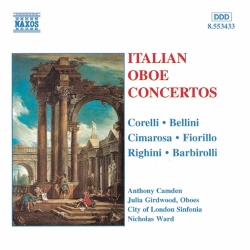

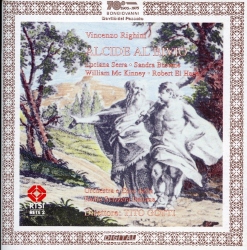
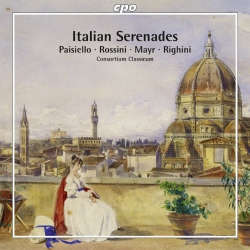
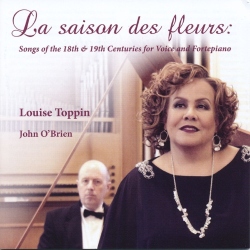
8
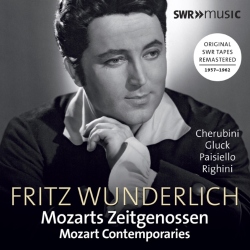
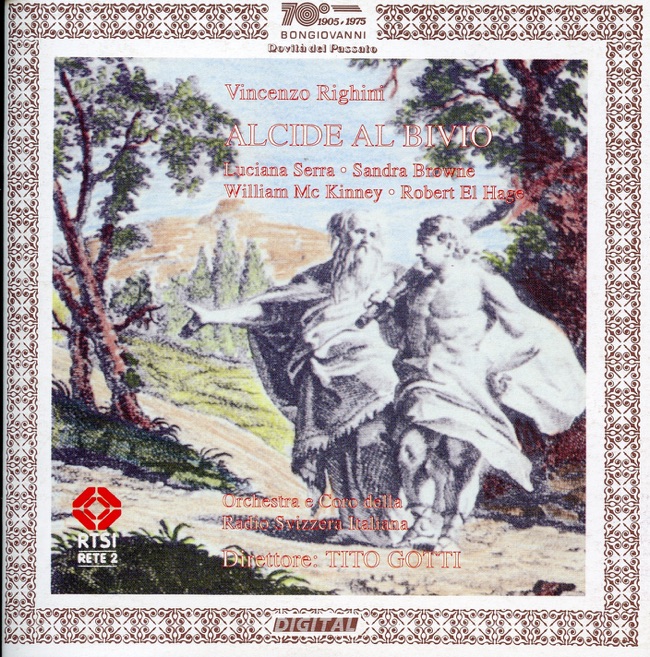
Alcide at the crossroads
1. Akt, 2. Szene: Rezitativ und Arie des Alcide: Questo agevole a ameno - Dei clementi, amici dei
9:38

Copyright Ⓒ 2013 Davinci Finger. All rights reseved
Service Terms & Policy