


Recorded Sound
Released Album
Miscellaneous
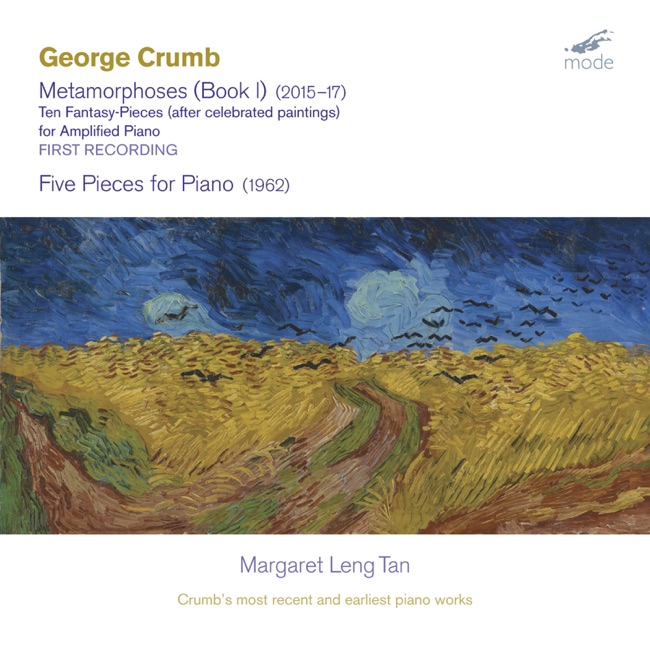
Keyboard
-
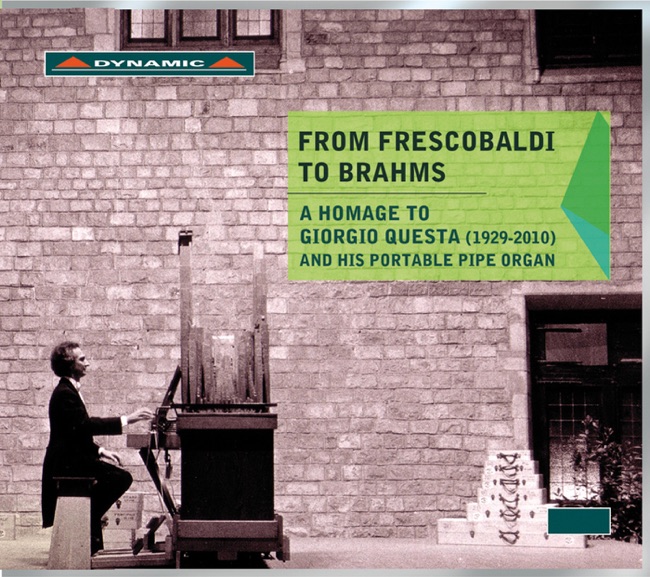 June 28, 2011
Choral
-
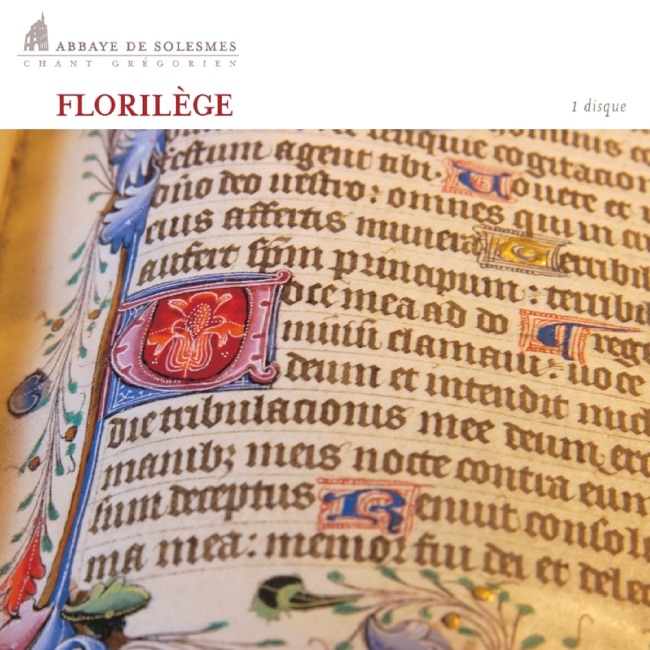 October 26, 2006
Artist Info
Role:ComposerRecorded Sound was a classical music composer who was born on January 1, 1950, in Vienna, Austria. He was born into a family of musicians, and his parents were both professional musicians who played in the Vienna Philharmonic Orchestra. From a young age, Recorded Sound showed a keen interest in music, and he began playing the piano at the age of four. Recorded Sound's parents recognized his talent and encouraged him to pursue a career in music. He began taking piano lessons with some of the best teachers in Vienna, and he quickly developed a reputation as a prodigy. By the age of ten, he had already composed his first piece of music, a short piano sonata that impressed his teachers and peers. As Recorded Sound grew older, he continued to study music and composition. He attended the Vienna Conservatory, where he studied under some of the most renowned composers of the time. He also traveled extensively throughout Europe, studying the works of other great composers and gaining inspiration for his own compositions. Recorded Sound's early works were heavily influenced by the classical music of the 18th and 19th centuries. He was particularly drawn to the works of Mozart, Beethoven, and Bach, and he sought to emulate their style in his own compositions. His early works were characterized by their intricate melodies, complex harmonies, and virtuosic piano passages. In the 1970s, Recorded Sound began to experiment with new forms and styles of music. He was particularly interested in the avant-garde movement, which sought to push the boundaries of traditional music and explore new sounds and techniques. He began incorporating elements of atonality, dissonance, and electronic music into his compositions, creating works that were both challenging and innovative. One of Recorded Sound's most famous works from this period is his Symphony No. 1, which was composed in 1975. The symphony is a complex and challenging work that incorporates elements of atonality and dissonance. It is characterized by its intricate orchestration and its use of unconventional instruments, such as the theremin and the electronic synthesizer. In the 1980s, Recorded Sound began to focus more on chamber music and solo works. He composed a number of pieces for piano, including his Piano Sonata No. 2, which is considered one of his most important works. The sonata is a virtuosic tour-de-force that showcases Recorded Sound's technical skill and his ability to create complex and intricate melodies. Recorded Sound's later works were characterized by their simplicity and elegance. He began to move away from the avant-garde style of his earlier works and focused more on creating works that were accessible to a wider audience. His Symphony No. 3, composed in 1990, is a beautiful and lyrical work that is often compared to the works of Mozart and Beethoven. Recorded Sound continued to compose music until his death in 2005. His legacy as a composer is one of innovation, experimentation, and technical skill. His works continue to be performed and studied by musicians and music lovers around the world, and he is considered one of the most important composers of the 20th century.More....
Recent Artist Music
4
13
6
11
Copyright Ⓒ 2013 Davinci Finger. All rights reseved
Service Terms & Policy