


Ahmet Adnan Saygun
Released Album
Keyboard
-
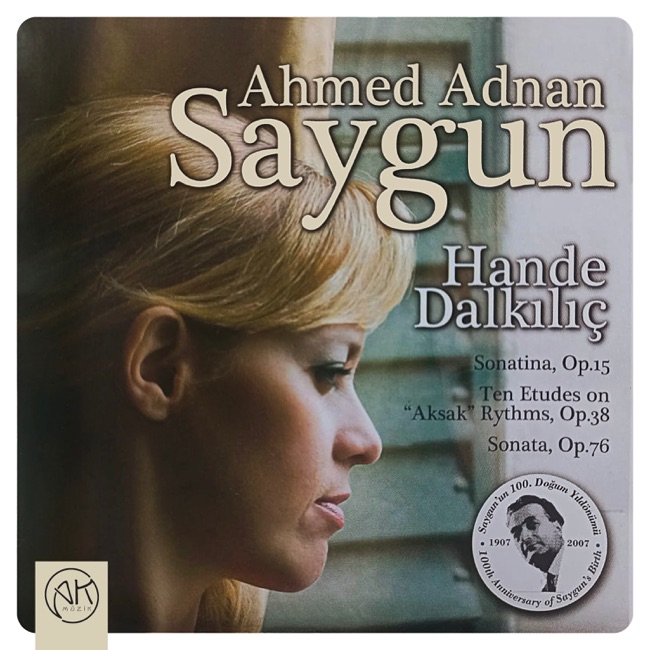
-
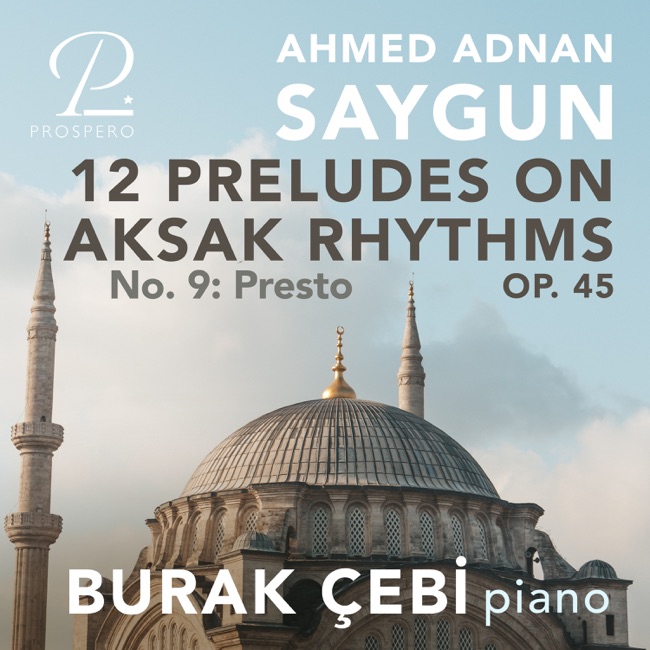 August 12, 2022
 -
-
 May 19, 2021
 -
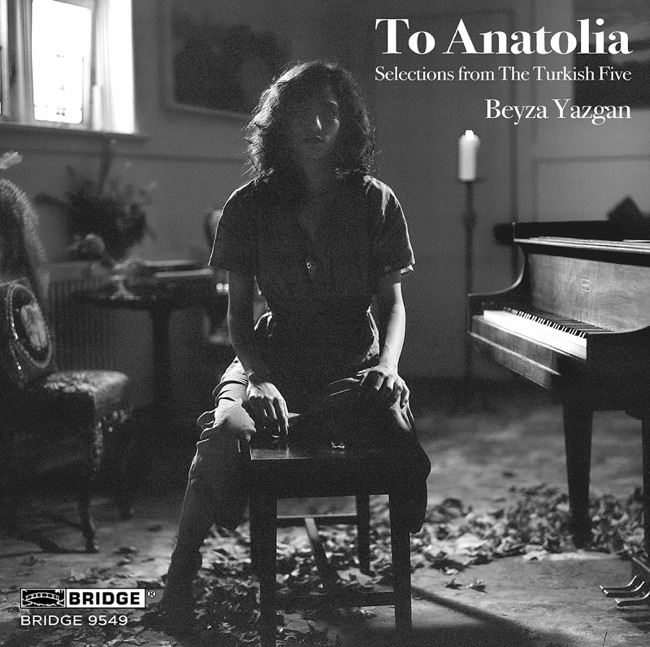 March 19, 2021
 -
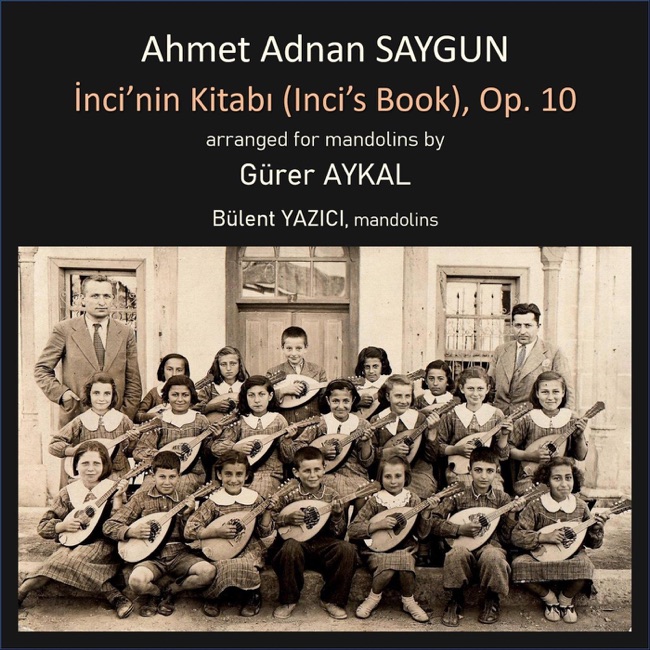 March 14, 2021
Chamber
-
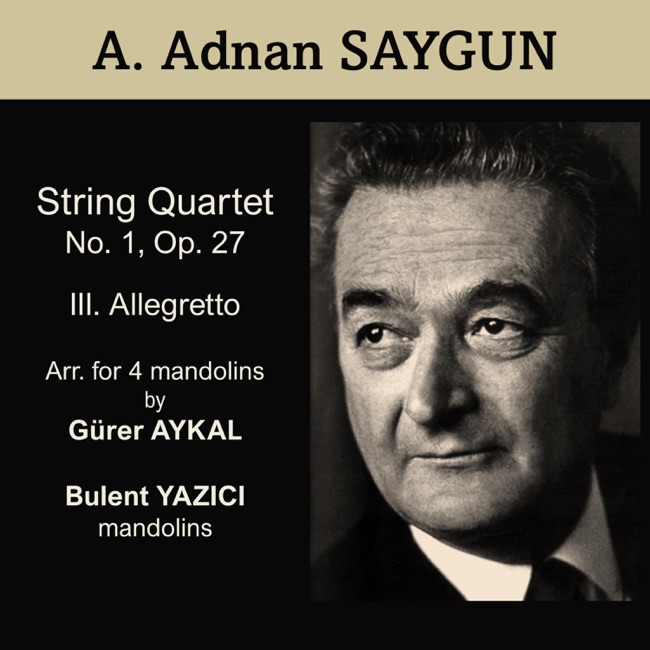
-
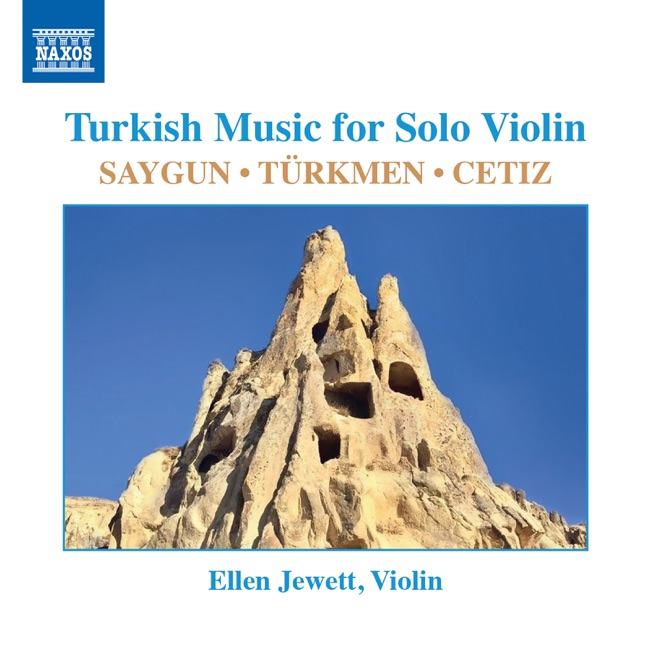
-
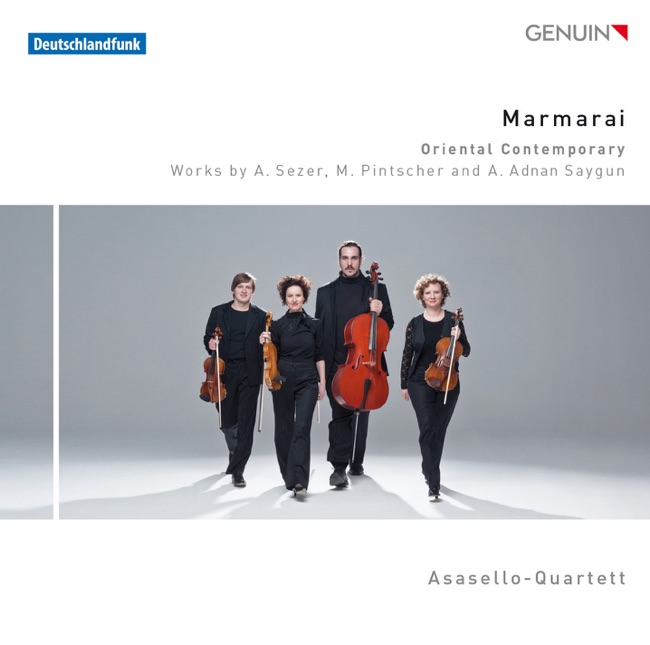 February 25, 2014
 -
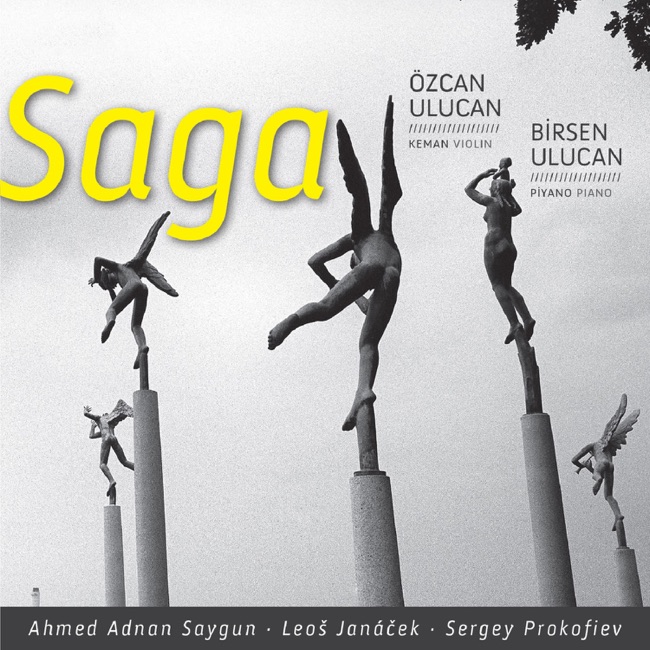 June 25, 2013
 -
 January 17, 2012
 -
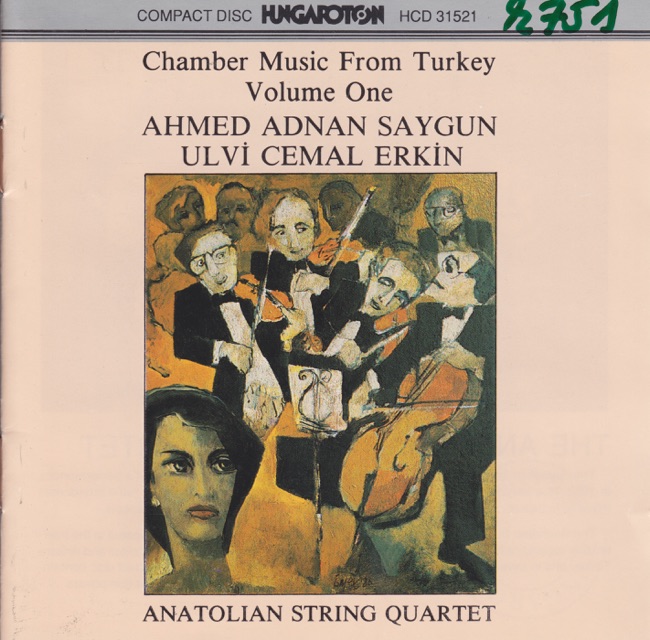 October 11, 2003
Concerto
-
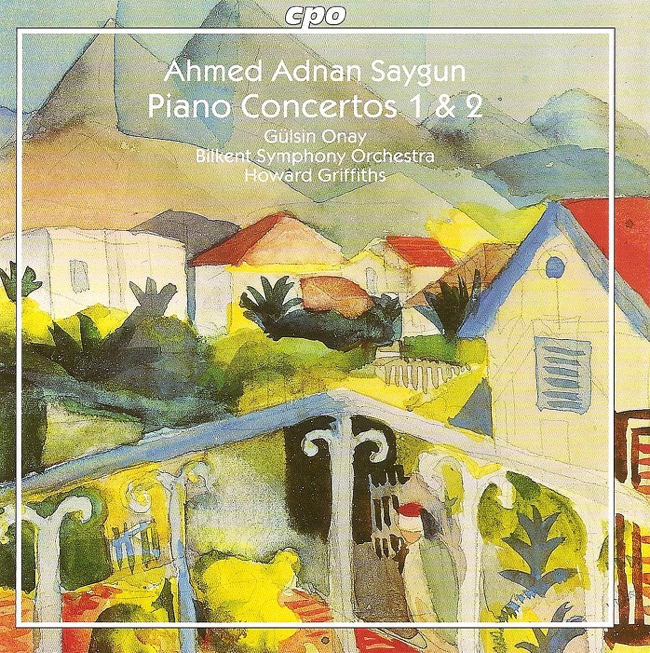 October 27, 2008
 -
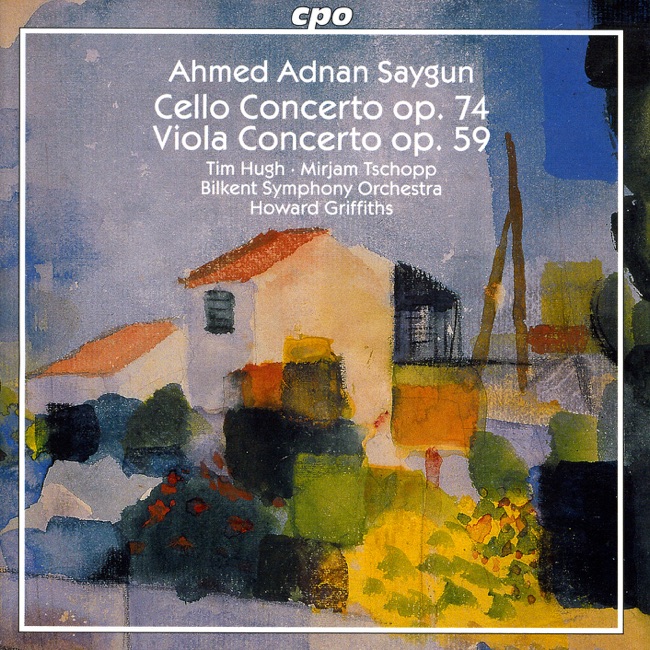 January 29, 2008
Symphony
-
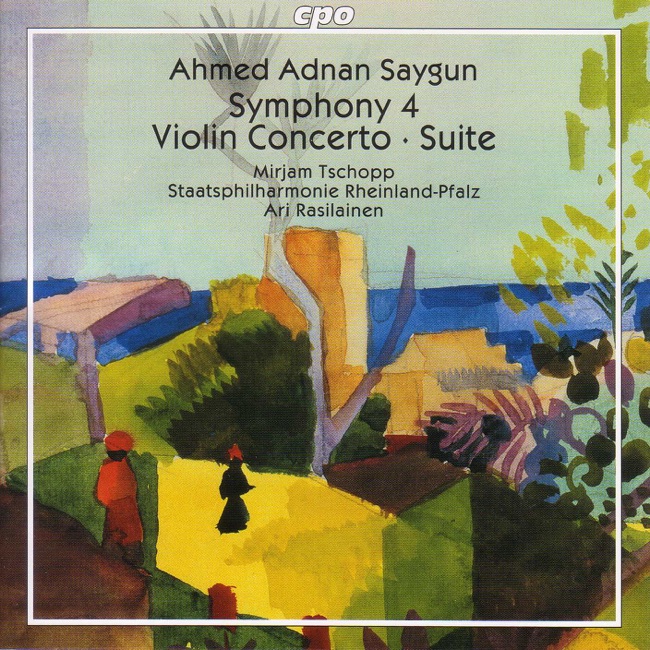
-
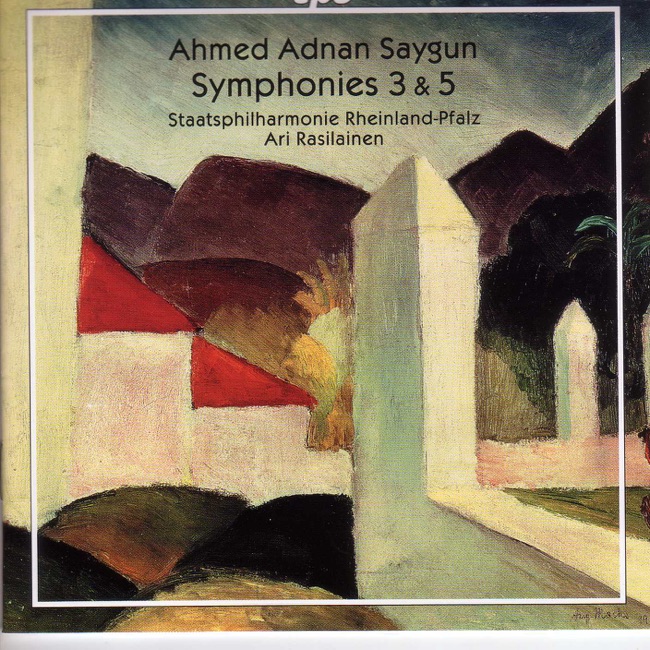 June 15, 2004
 -
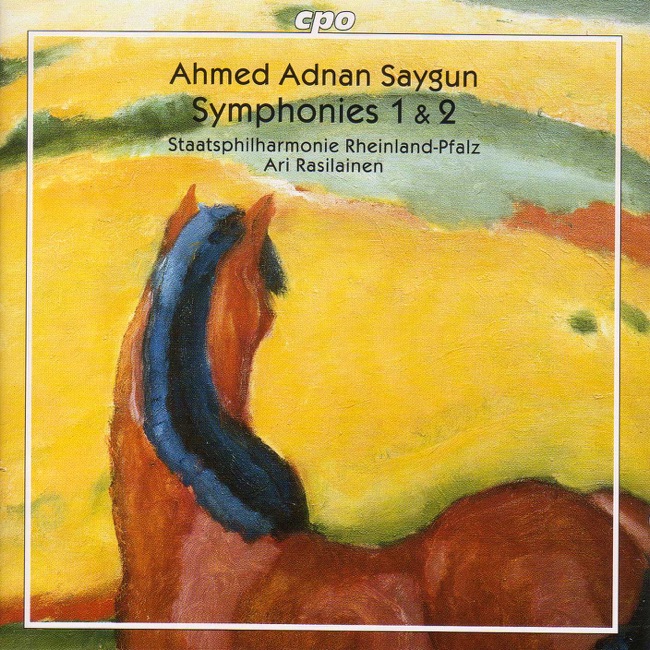 August 1, 2002
Artist Info
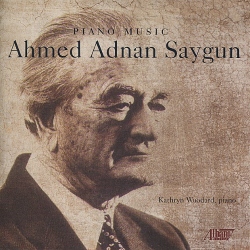
Role:ComposerCountry: TurkeyBirth:September 7, 1907 in Izmir, TurkeyDeath:January 6, 1991 in Istanbul, TurkeyPeriod:ModernGenre:ChamberChoralConcertoOrchestralSymphonyAhmet Adnan Saygun was a prominent Turkish composer, musicologist, and educator who made significant contributions to the development of classical music in Turkey. He was born on September 7, 1907, in Izmir, Turkey, to a family of musicians. His father, Hasan Ferit Bey, was a prominent musician and composer, and his mother, Emine Hanım, was a singer. Saygun showed an early interest in music and began studying the piano and violin at a young age. He later studied composition and music theory with the renowned Turkish composer Cemal Reşit Rey. In 1928, he received a scholarship to study at the Paris Conservatory, where he studied composition with Paul Dukas and musicology with André Pirro. During his time in Paris, Saygun was exposed to a wide range of musical styles and traditions, including Western classical music, Turkish folk music, and the music of other cultures. He was particularly interested in the music of Bartók and Stravinsky, whose influence can be heard in his own compositions. Saygun returned to Turkey in 1930 and began working as a music teacher and composer. He was a founding member of the Turkish State Conservatory, where he taught composition and music theory for many years. He also served as the director of the conservatory from 1948 to 1952. Saygun's compositions are characterized by their use of Turkish folk music elements and their incorporation of Western classical music techniques. His most famous work is his oratorio "Yunus Emre," which is based on the life and teachings of the 13th-century Turkish poet and mystic. The oratorio, which was first performed in 1947, is considered a masterpiece of Turkish classical music and has been performed many times in Turkey and abroad. Saygun's other notable works include his "Divertimento for Strings," his "Symphony No. 1," and his "Piano Concerto No. 1." He also wrote several operas, including "Özsoy" and "Göç," which are based on Turkish folk tales. In addition to his work as a composer, Saygun was also a respected musicologist and scholar. He wrote extensively on Turkish music and culture and was instrumental in the establishment of the Turkish Music Research and Application Center, which is dedicated to the study and preservation of Turkish music. Saygun received numerous awards and honors throughout his career, including the State Artist Award in 1956 and the Atatürk Culture, Art, and Science Award in 1972. He died on January 6, 1991, in Istanbul, Turkey, leaving behind a rich legacy of music and scholarship. In conclusion, Ahmet Adnan Saygun was a pioneering figure in the development of classical music in Turkey. His compositions, which blended Western classical music techniques with Turkish folk music elements, are considered some of the most important works in the Turkish classical music canon. His contributions to music education and scholarship also helped to establish a strong foundation for the study and appreciation of Turkish music. Saygun's legacy continues to inspire and influence musicians and music lovers in Turkey and around the world.More....
Recent Artist Music
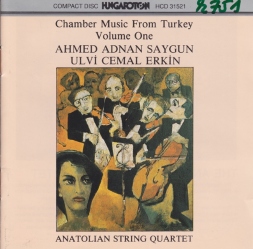
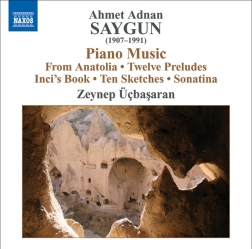
4
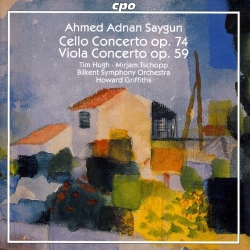
Cello Concerto, Op.74
Moderato - Poco più mosso - Lento - Animato - Lento - Moderato - Poco meno - Moderato
10:19
5
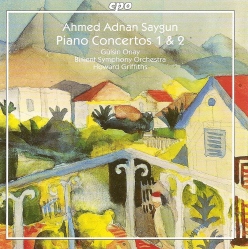
Piano Concerto No. 1, Op. 34
Deciso - Moderato - Vivo - Animato - Meno mosso - Cadenza. Rubato - Deciso - Moderato - Vivo - Molt
14:34
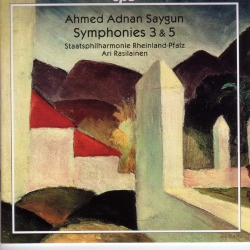
8
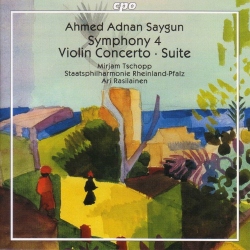
10:52
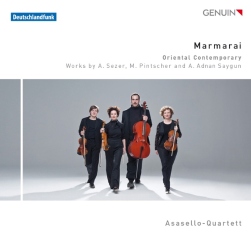
10
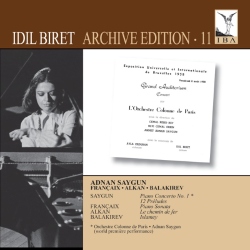
Piano Concerto No. 1, Op. 34
Deciso - Moderato - Vivo - Animato - Meno mosso - Cadenza: Rubato - Deciso - Moderato - Vivo - Molto vivo
16:1
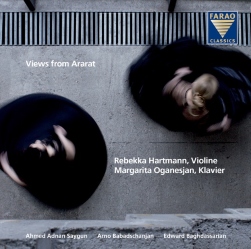
12
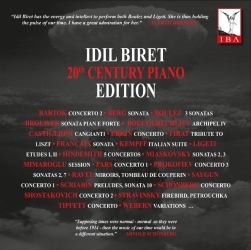
Piano Concerto No. 1, Op. 34
I. Deciso - Moderato - Vivo - Animato - Meno mosso - Cadenza: Rubato - Deciso - Moderato - Vivo - Molto vivo
16:5
13
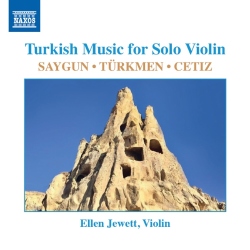
6:48


Copyright Ⓒ 2013 Davinci Finger. All rights reseved
Service Terms & Policy