


Ibn Zaqqát
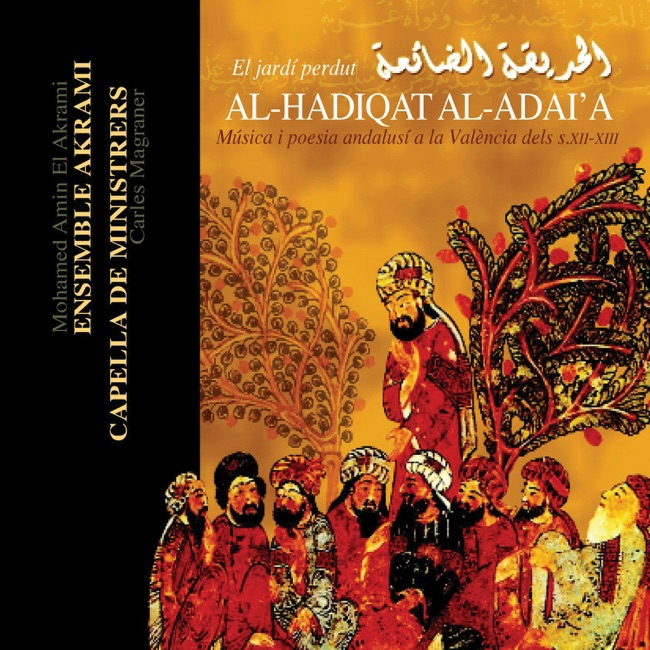
Artist Info
Role:ComposerPeriod:MedievalIbn Zaqqát was a prominent classical music composer who lived during the 14th century in the Islamic world. He was born in the city of Granada, which was then part of the Nasrid Kingdom of Granada, in present-day Spain. His birth year is not known, but it is believed that he was born in the early 1300s. Ibn Zaqqát grew up in a family of musicians, and his father was a well-known musician and composer. He received his early musical education from his father and other prominent musicians of his time. He showed a great talent for music from a young age and quickly became known for his exceptional skills as a composer. Ibn Zaqqát's music was heavily influenced by the Andalusian musical tradition, which was a fusion of Arabic, Jewish, and Christian musical styles. He was also influenced by the music of other Islamic cultures, such as the music of Persia and India. His compositions were characterized by their intricate melodies, complex rhythms, and rich harmonies. One of Ibn Zaqqát's most famous works is his collection of songs known as the "Nubaat." The Nubaat were a series of musical suites that were performed during religious and secular festivals in the Islamic world. Each Nuba was composed of several movements, each with its own distinct rhythm and melody. The Nubaat were performed by a large ensemble of musicians, including singers, instrumentalists, and dancers. Ibn Zaqqát's Nubaat were highly regarded for their beauty and complexity, and they became an important part of the musical tradition of the Islamic world. His compositions were also known for their emotional depth and spiritual significance. Many of his works were inspired by Sufi poetry and were intended to evoke a sense of spiritual ecstasy in the listener. In addition to his Nubaat, Ibn Zaqqát composed many other works, including instrumental pieces, vocal music, and chamber music. His instrumental works were particularly notable for their virtuosity and technical complexity. He was also known for his use of unusual instruments, such as the oud, the rebab, and the qanun. Ibn Zaqqát's music was highly influential in the Islamic world and beyond. His compositions were widely performed and admired, and they inspired many other composers to follow in his footsteps. His legacy can still be heard in the music of the Middle East and North Africa today. Despite his great talent and success as a composer, Ibn Zaqqát's life was not without its challenges. He lived during a time of great political and social upheaval in the Islamic world, and he witnessed the decline of the Nasrid Kingdom of Granada and the rise of the Christian kingdoms of Spain. He also faced personal struggles, including financial difficulties and health problems. Despite these challenges, Ibn Zaqqát remained dedicated to his music and continued to compose until his death. He passed away in Granada in the late 14th century, leaving behind a rich legacy of music that continues to inspire and delight audiences today.More....
Recent Artist Music

Copyright Ⓒ 2013 Davinci Finger. All rights reseved
Service Terms & Policy