


Alphons Diepenbrock
Released Album
Vocal
-
 January 22, 2021
 -
 October 14, 2014
 -
 May 14, 2013
 -
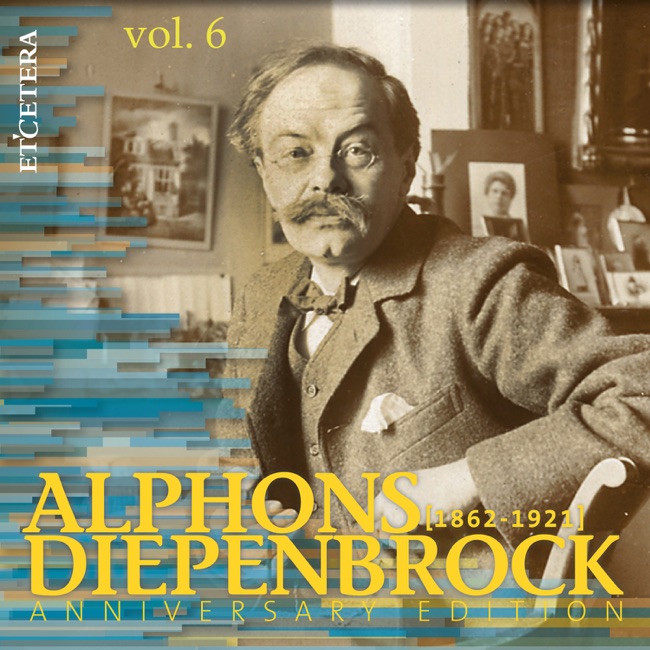 May 29, 2012
 -
-
Orchestral
Miscellaneous
-
 May 29, 2012
 -
 June 21, 2005
Choral
-
 January 1, 2002
Artist Info
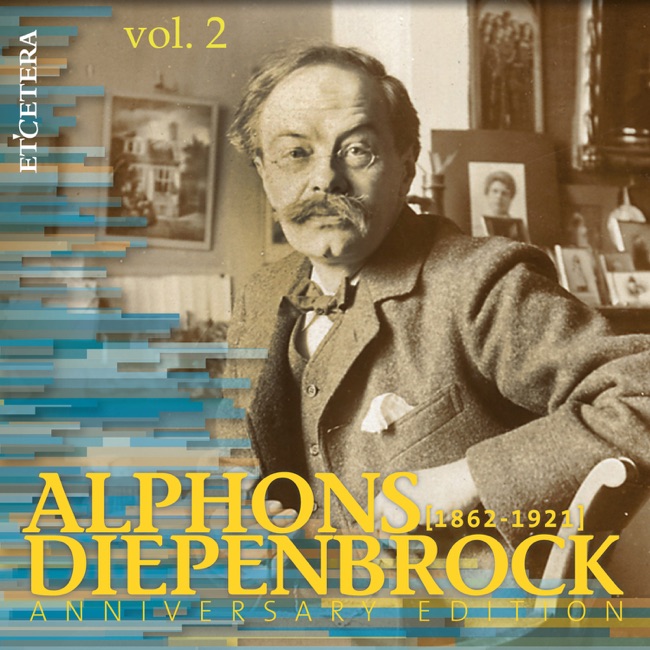
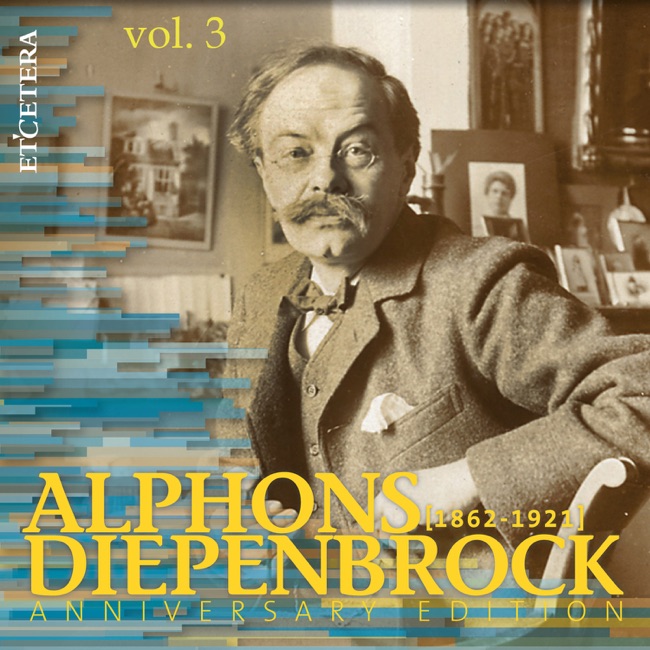
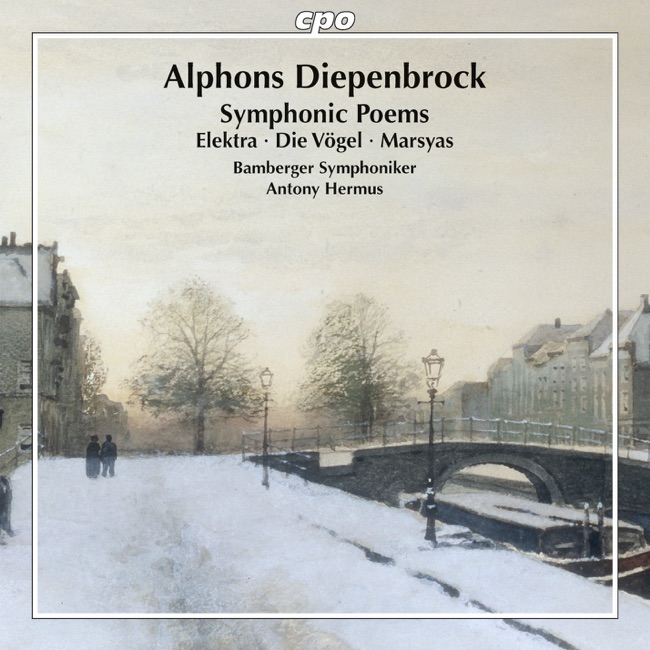
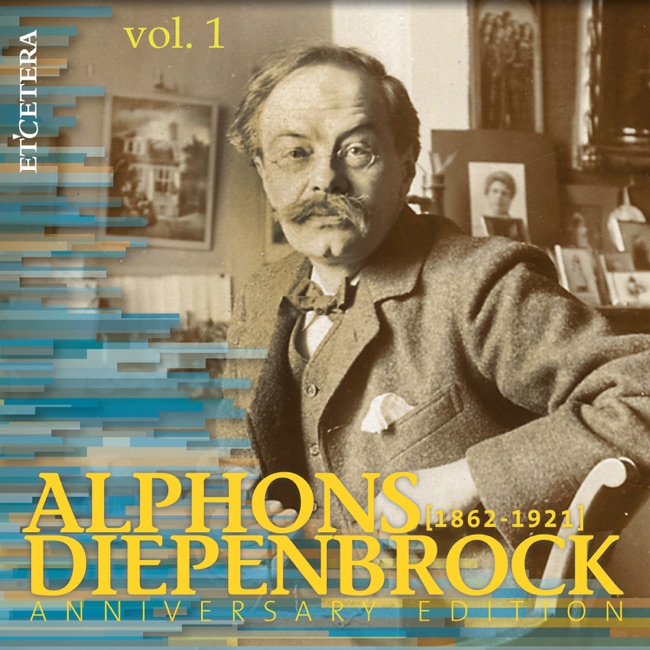
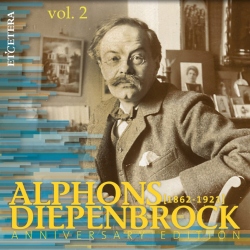
Role:ComposerCountry: NetherlandsBirth:September 2, 1862 in Amsterdam, The NetherlandsDeath:April 5, 1921 in Amsterdam, The NetherlandsPeriod:ModernGenre:OrchestralVocalAlphons Diepenbrock was a Dutch composer and musicologist who lived from 2 September 1862 to 5 April 1921. He was born in Amsterdam, the son of a wealthy banker, and grew up in a cultured and musical environment. His father was a keen amateur musician, and his mother was a talented singer. From an early age, Diepenbrock showed a great interest in music, and he began to compose his own pieces when he was just a teenager. Diepenbrock received his early education at the Amsterdam Gymnasium, where he excelled in languages and literature. He went on to study classical philology at the University of Amsterdam, where he earned his doctorate in 1888. During his time at university, Diepenbrock continued to pursue his interest in music, and he began to study composition with the Dutch composer, Cornelis Dopper. In 1890, Diepenbrock married Elisabeth de Jong van Beek en Donk, a talented pianist and singer. The couple had four children together, and Elisabeth played an important role in Diepenbrock's musical career, performing many of his works and providing him with valuable feedback and support. Diepenbrock's early compositions were heavily influenced by the German Romantic tradition, particularly the music of Richard Wagner and Franz Liszt. However, he soon began to develop his own distinctive style, which combined elements of Romanticism with a more modernist approach to harmony and form. One of Diepenbrock's most important works is his setting of the poem "Im grossen Schweigen" by Friedrich Nietzsche. This piece, which was composed in 1898, is a powerful and deeply emotional work that reflects Diepenbrock's interest in the philosophy of Nietzsche. The music is characterized by its rich harmonies, complex textures, and intense emotional expression. Another significant work by Diepenbrock is his setting of the poem "Marsyas" by the Dutch poet P.C. Boutens. This piece, which was composed in 1916, is a dramatic and highly expressive work that showcases Diepenbrock's skill as a composer. The music is characterized by its bold harmonies, intricate rhythms, and powerful orchestration. Diepenbrock was also a prolific composer of choral music, and many of his works in this genre are still performed today. One of his most famous choral works is his setting of the Latin hymn "Te Deum Laudamus". This piece, which was composed in 1897, is a majestic and uplifting work that showcases Diepenbrock's skill as a composer of choral music. The music is characterized by its soaring melodies, rich harmonies, and powerful sense of drama. In addition to his work as a composer, Diepenbrock was also a respected musicologist and scholar. He wrote extensively on the music of Wagner and other composers, and he was a leading figure in the Dutch music scene during the early 20th century. Diepenbrock's music was highly regarded by his contemporaries, and he was widely recognized as one of the leading composers of his time. His work had a significant influence on the development of Dutch music, and his legacy continues to be felt today. In conclusion, Alphons Diepenbrock was a highly talented and influential composer who made a significant contribution to the development of Dutch music. His music was characterized by its rich harmonies, complex textures, and intense emotional expression, and his work continues to be performed and admired today.More....

Copyright Ⓒ 2013 Davinci Finger. All rights reseved
Service Terms & Policy