


Giovanni Sgambati
Released Album
Keyboard
-
 November 9, 2023
 -
 September 29, 2023
 -
 April 22, 2022
 -
 January 21, 2021
 -
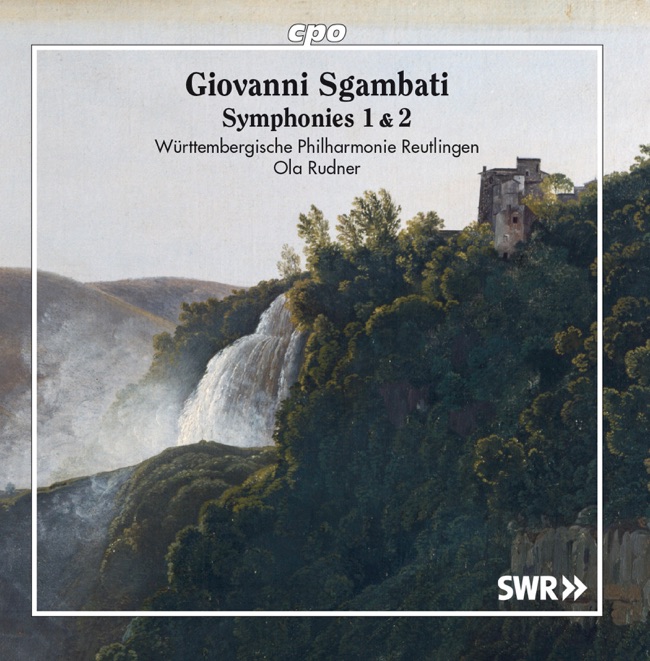 September 7, 2018
 -
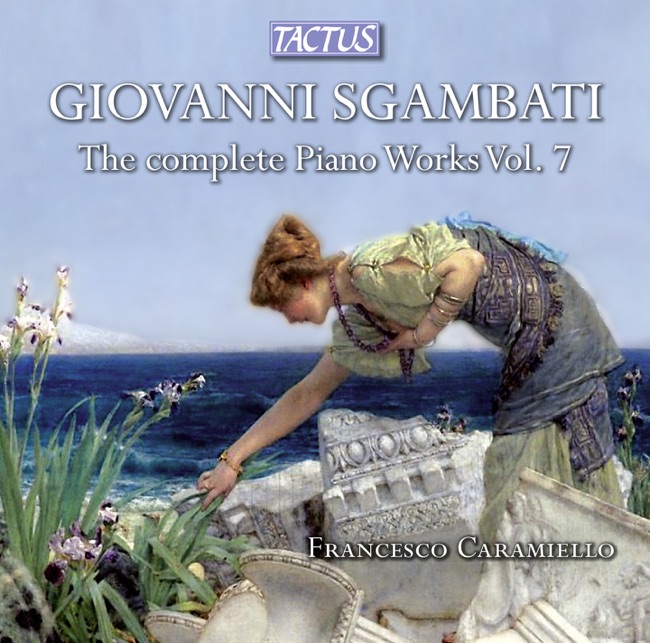 March 3, 2014
Miscellaneous
-
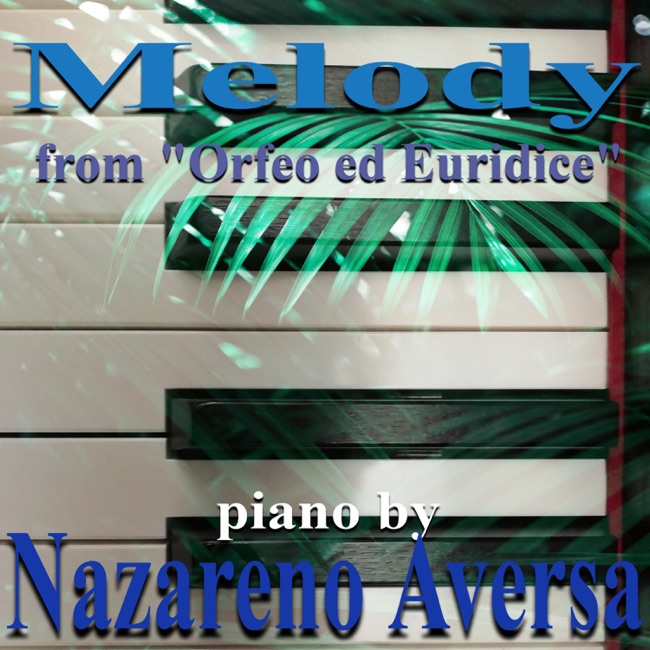 September 18, 2021
Chamber
-
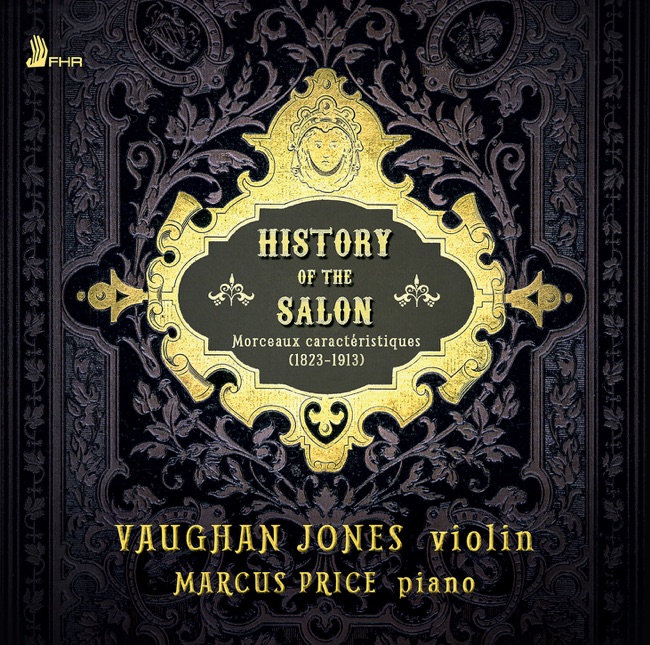 July 10, 2020
 -
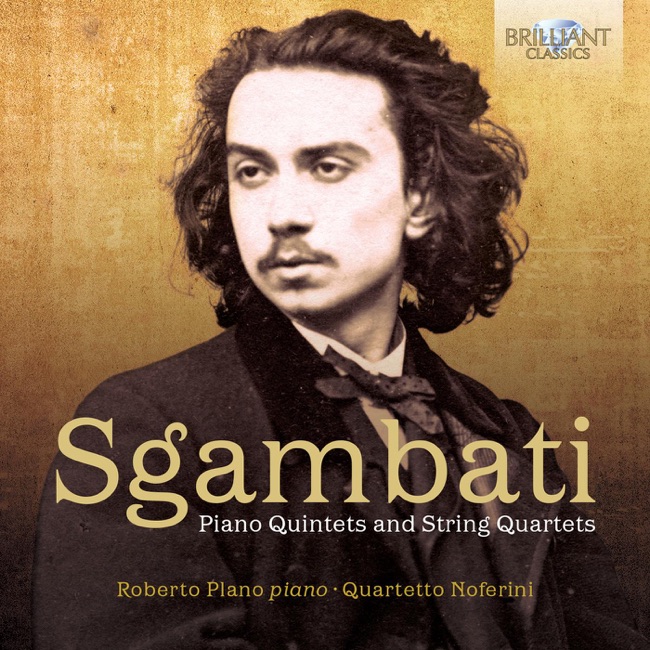 July 17, 2015
 -
 May 5, 2015
 -
 September 12, 2006
 -
Artist Info
Role:ComposerCountry: ItalyBirth:May 28, 1841 in Rome, ItalyDeath:December 14, 1914 in Rome, ItalyPeriod:RomanticGenre:KeyboardOrchestralGiovanni Sgambati was an Italian composer and pianist who lived from 1841 to 1914. He was born in Rome to a family of musicians, and his father was a well-known violinist. Sgambati showed an early talent for music and began studying piano at a young age. He later studied composition with Luigi Ricci and Franz Liszt. Sgambati's early works were heavily influenced by the Romantic composers of his time, particularly Liszt and Chopin. He wrote a number of piano pieces and songs, as well as a few chamber works. However, it was his orchestral music that would eventually bring him the most recognition. In 1867, Sgambati founded the Società del Quartetto in Rome, which was dedicated to the performance of chamber music. He also began conducting concerts in Rome, which included performances of his own works as well as those of other composers. In 1878, he was appointed director of the Liceo Musicale in Rome, a position he held until 1906. Sgambati's most famous work is his Symphony No. 1 in D major, which he composed in 1889. The symphony is a large-scale work that showcases Sgambati's skill as an orchestrator. It is heavily influenced by the German Romantic tradition, particularly the music of Brahms. The symphony was well-received at its premiere in Rome, and it has since become a staple of the orchestral repertoire. In addition to his symphony, Sgambati wrote a number of other orchestral works, including a piano concerto, a violin concerto, and several overtures. He also wrote a number of choral works, including a setting of the Stabat Mater and a Requiem Mass. Sgambati's music is characterized by its lush harmonies and rich orchestration. He was a master of counterpoint and often incorporated complex polyphonic textures into his works. His music is also notable for its use of Italian folk melodies, which he incorporated into many of his compositions. Despite his success as a composer, Sgambati was also a respected pianist. He often performed his own works in concert, as well as those of other composers. He was particularly known for his interpretations of the music of Chopin and Liszt. Sgambati's influence on Italian music cannot be overstated. He was a key figure in the development of Italian orchestral music, and his works helped to establish a distinct Italian musical identity. He was also a mentor to a number of younger Italian composers, including Ottorino Respighi and Ildebrando Pizzetti. In addition to his musical accomplishments, Sgambati was also a respected music educator. He was a professor at the Liceo Musicale in Rome, where he taught composition and piano. He also founded the Accademia Nazionale di Santa Cecilia, which is still one of Italy's most prestigious music schools. Sgambati died in Rome in 1914, leaving behind a legacy of beautiful music and a lasting impact on Italian music. His works continue to be performed and recorded today, and he remains an important figure in the history of classical music.More....
Recent Artist Music
1
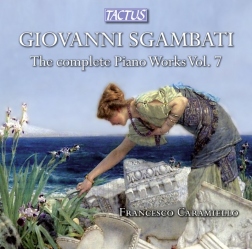
Sinfonia Festosa in E major (Overture de fête)
Sinfonia festosa (Ouverture de fête) in mi maggiore per orchestra
10:16
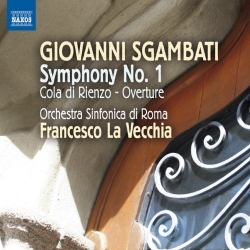
3
4:7
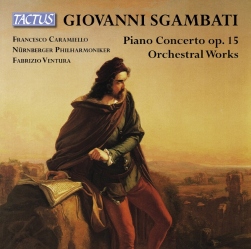
7
Melody (Dance of the Blessed Spirits, from Gluck's Orphee ed Euridice)
Orfeo et Eurydice (Mélodie)
4:44
8
Melody (Dance of the Blessed Spirits, from Gluck's Orphee ed Euridice)
Orfeo and Euridice: Melody
4:31
9
Melody (Dance of the Blessed Spirits, from Gluck's Orphee ed Euridice)
Melodie de Gluck per pianoforte
3:17
11
Melody (Dance of the Blessed Spirits, from Gluck's Orphee ed Euridice)
Mélodie de Gluck after Dance of the Blessed Spirits ("Orphée et Eurydice")
3:50
12
Melody (Dance of the Blessed Spirits, from Gluck's Orphee ed Euridice)
Orfeo ed Euridice. Lento: Mélodie de Gluck after "Dance of the Blessed Spirits"
3:53
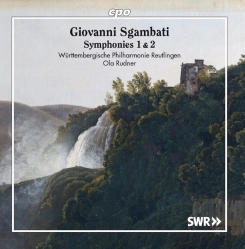
14
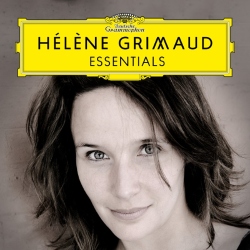
Melody (Dance of the Blessed Spirits, from Gluck's Orphee ed Euridice)
Melodie from "Orfeo ed Euridice" (after Gluck's Wq30)
3:46
15
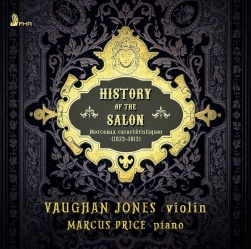
Pieces (2) for violin & piano, Op. 24/SG 19
No. 2, Serenata napoletana (Un poco sostenuto a piacere)
3:30
Recommend Playlist














Copyright Ⓒ 2013 Davinci Finger. All rights reseved
Service Terms & Policy