


Charles Harold Bernstein
Released Album
Chamber
-
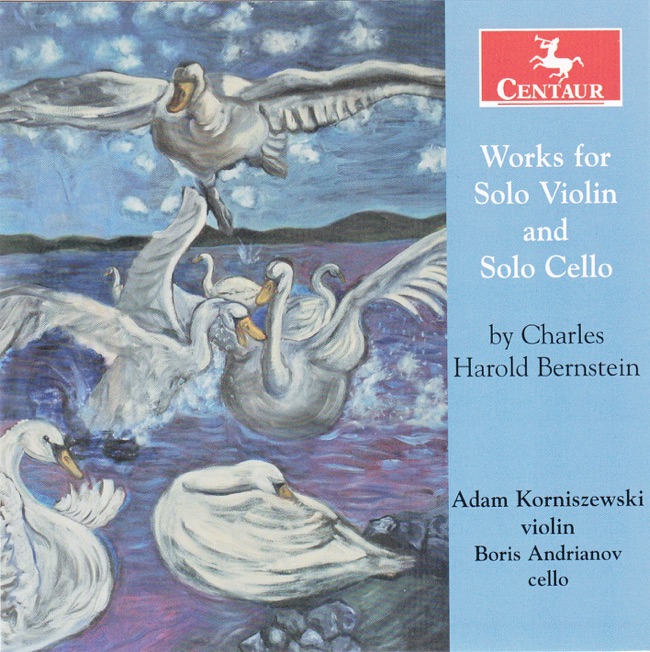 November 11, 2014
 -
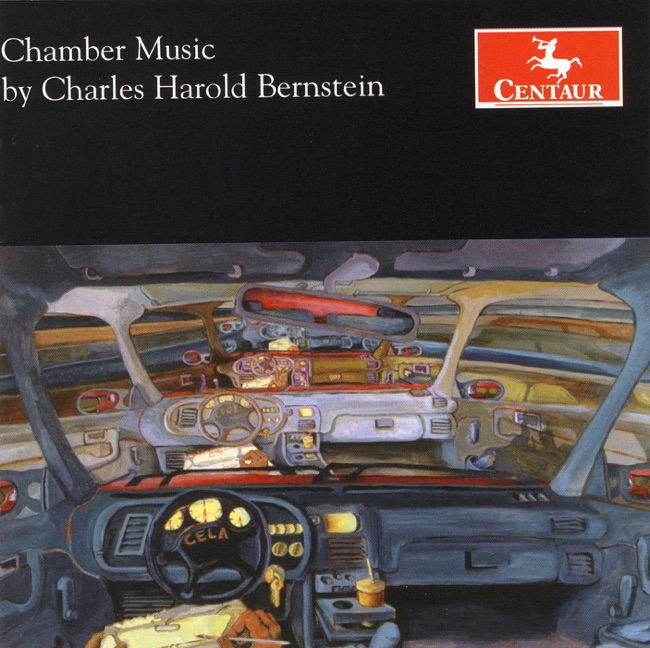 July 1, 2008
Artist Info
Role:ComposerBirth:in Los Angeles, CAPeriod:ModernGenre:ChamberVocalCharles Harold Bernstein was an American composer and conductor who was born on April 4, 1923, in Lawrence, Massachusetts. He was the son of Ukrainian Jewish immigrants, and his father was a small business owner. Bernstein showed an early interest in music and began playing the piano at the age of six. He later studied at the Boston Latin School and Harvard University, where he majored in music. Bernstein's early compositions were influenced by the works of Igor Stravinsky and Aaron Copland. He also drew inspiration from jazz and popular music, which he incorporated into his classical compositions. In 1943, Bernstein enlisted in the United States Army and served as a band leader during World War II. After the war, he continued his studies at the Curtis Institute of Music in Philadelphia, where he studied with the renowned composer and conductor, Fritz Reiner. In 1949, Bernstein won the New York Philharmonic's Young Composers' Award for his Symphony No. 1. The piece was premiered by the New York Philharmonic under the direction of Leonard Bernstein (no relation) and received critical acclaim. This success launched Bernstein's career as a composer, and he went on to write numerous works for orchestra, chamber ensembles, and solo instruments. One of Bernstein's most famous works is his Serenade for Solo Violin, Strings, Harp, and Percussion, which was written in 1954. The piece was inspired by Plato's Symposium and features five movements, each based on a different speech given at a dinner party. The Serenade has become a staple of the violin repertoire and is considered one of Bernstein's most important works. Another notable work by Bernstein is his Mass, which was commissioned by Jacqueline Kennedy Onassis for the opening of the John F. Kennedy Center for the Performing Arts in Washington, D.C. The Mass premiered in 1971 and was a controversial work that blended elements of classical music, rock, and gospel. The piece was a reflection of the turbulent times in which it was written and was seen as a commentary on the Vietnam War and the civil rights movement. In addition to his work as a composer, Bernstein was also a respected conductor. He served as the music director of the New York Philharmonic from 1958 to 1969 and was the first American-born conductor to hold the position. During his tenure, Bernstein introduced new works by American composers and helped to establish the New York Philharmonic as one of the world's leading orchestras. Bernstein was also a champion of contemporary music and worked to promote the works of living composers. He founded the Tanglewood Music Center in 1940, which is now one of the world's premier summer music festivals. The center provides training and performance opportunities for young musicians and has been instrumental in the development of many of today's leading composers and performers. Throughout his career, Bernstein received numerous awards and honors for his contributions to music. He was awarded the National Medal of Arts in 1985 and was inducted into the American Academy of Arts and Letters in 1986. He also received the Kennedy Center Honors in 1990 and was awarded the Lifetime Achievement Grammy Award in 1991. Charles Harold Bernstein died on October 14, 1990, in New York City at the age of 67. He left behind a legacy of innovative and influential works that continue to be performed and celebrated today.More....
Recent Artist Music
Copyright Ⓒ 2013 Davinci Finger. All rights reseved
Service Terms & Policy