


George Rochberg
Released Album
Chamber
-
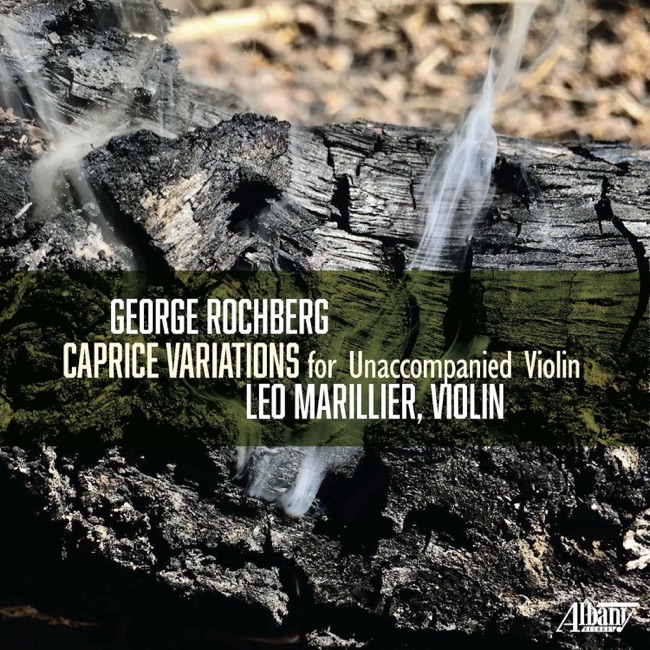 December 15, 2021
 -
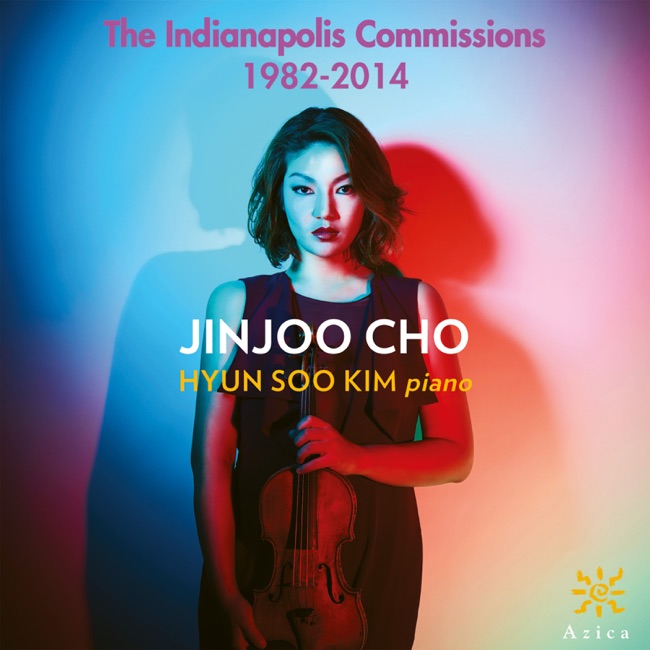 October 26, 2018
 -
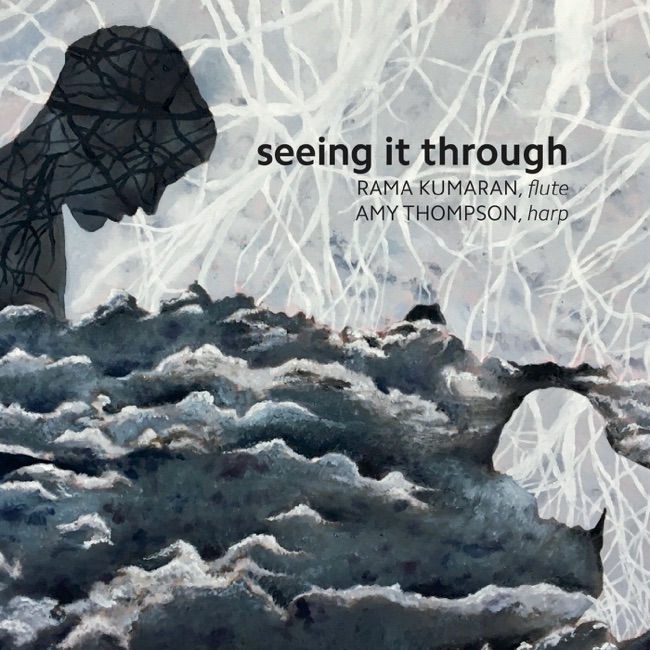 October 14, 2018
 -
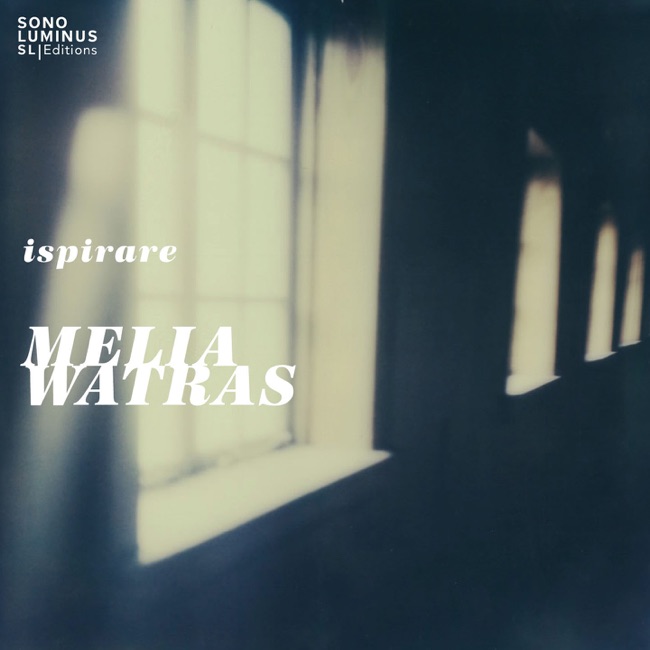 October 30, 2015
 -
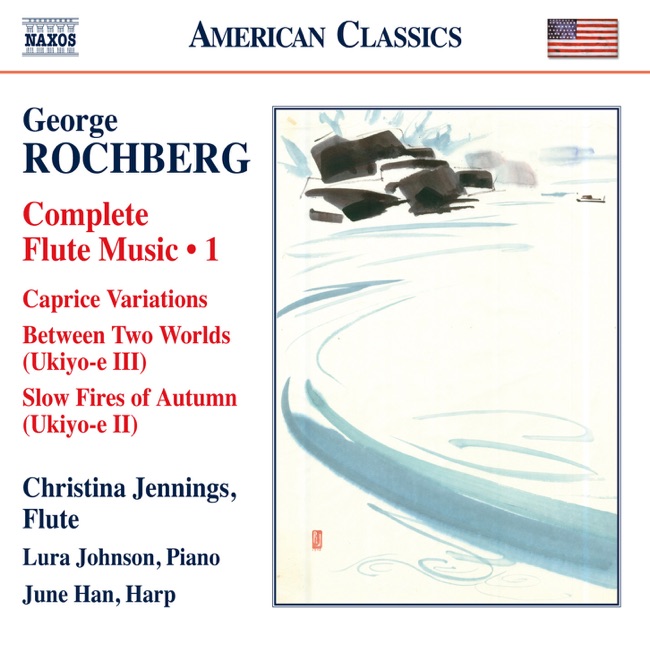 March 10, 2015
 -
 March 1, 2015
Keyboard
-
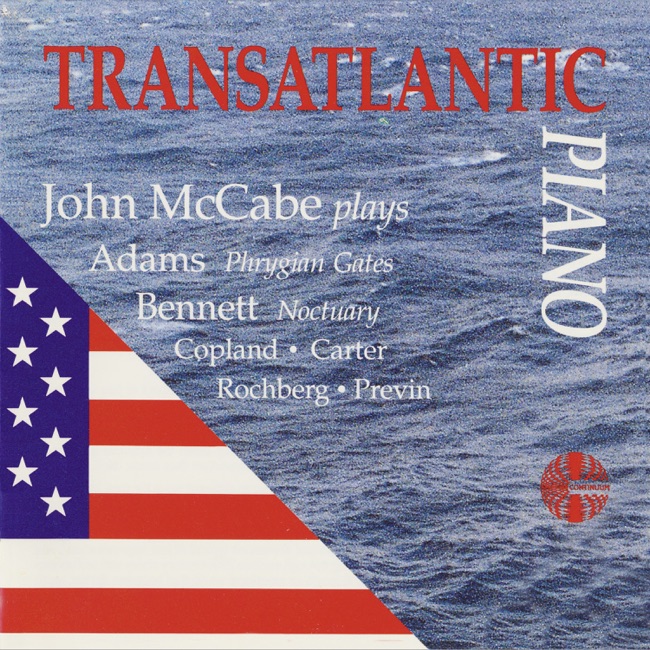 April 24, 2020
 -
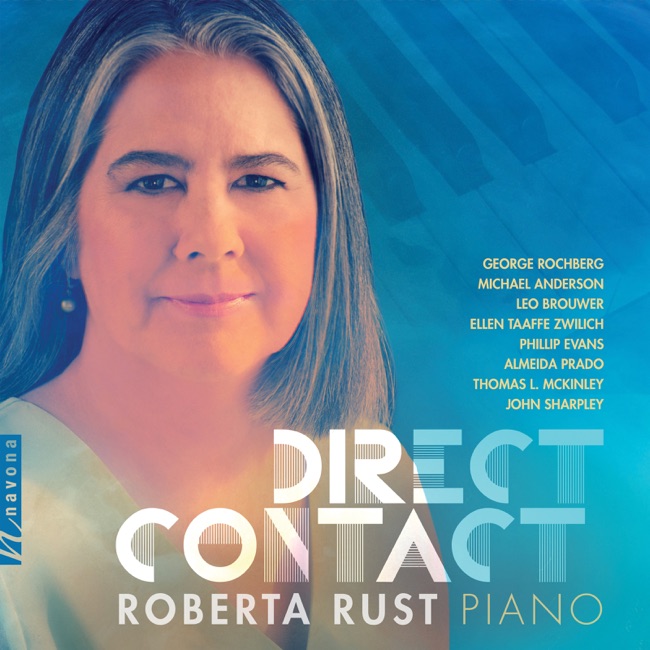 May 24, 2019
 -
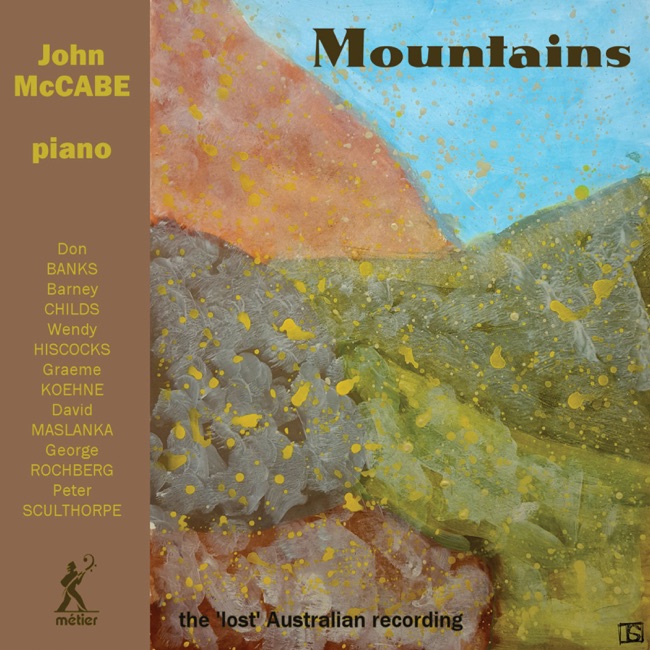 January 18, 2019
 -
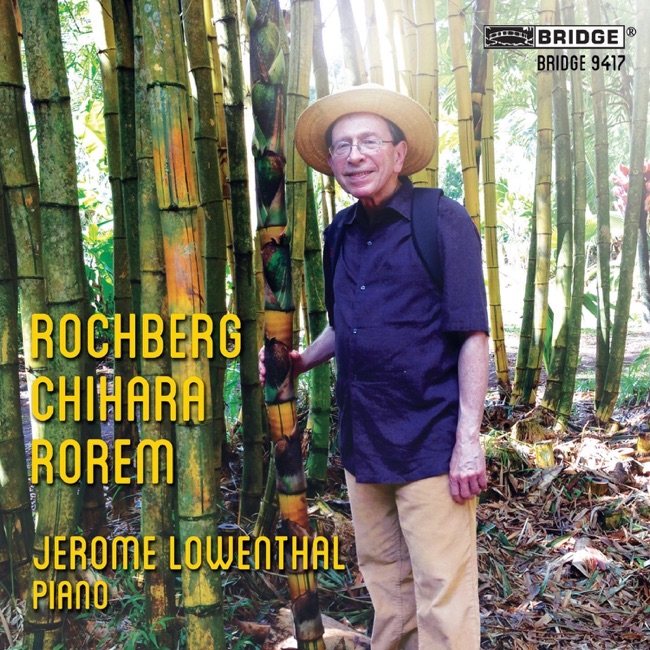 April 8, 2014
 -
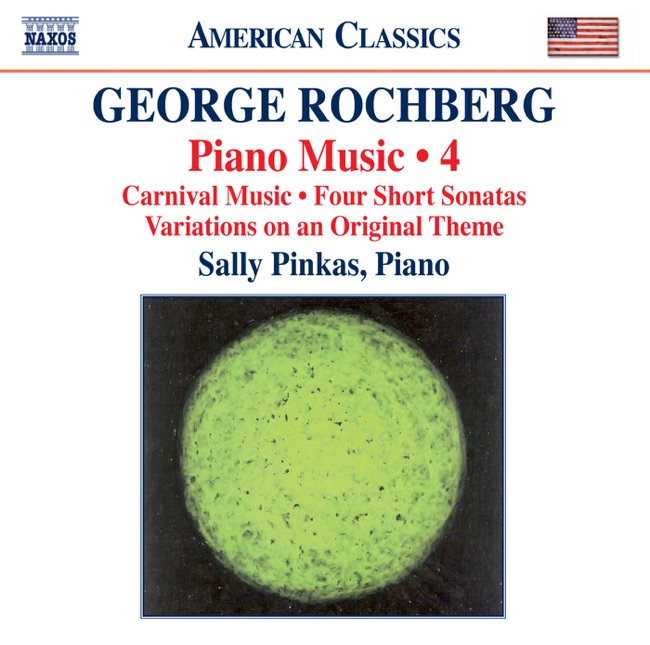 August 31, 2010
 -
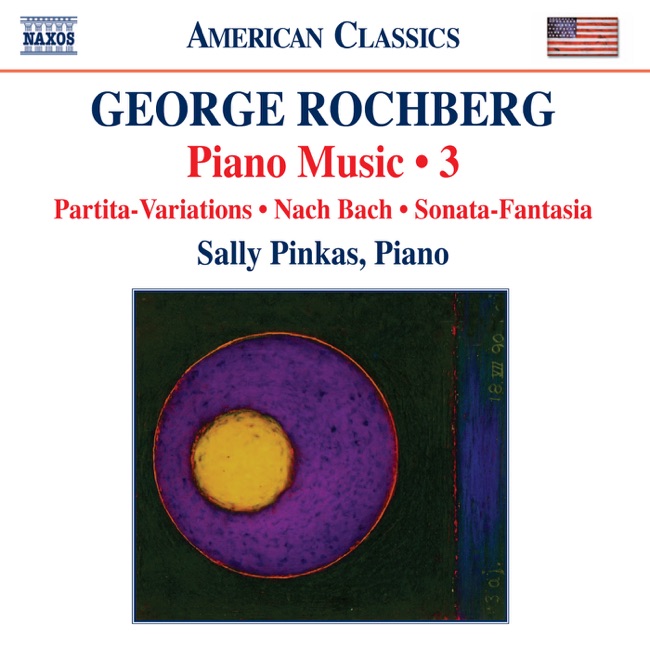 June 21, 2010
Symphony
-
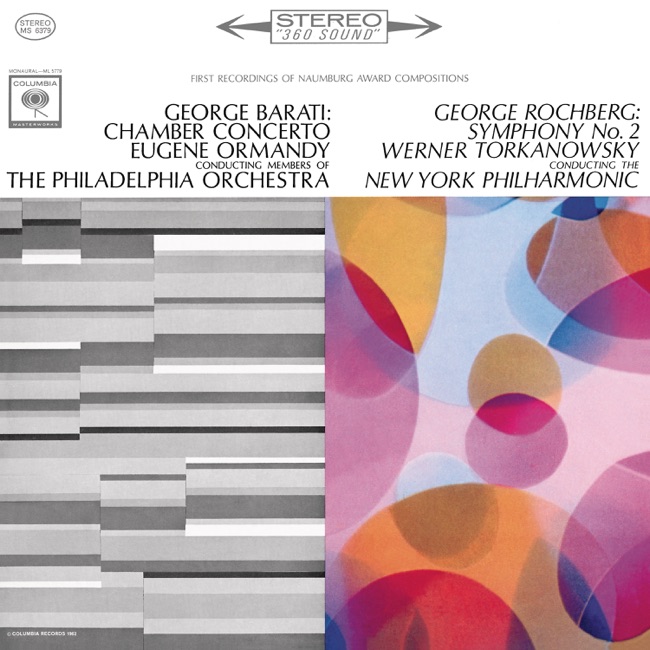 December 15, 2023
 -
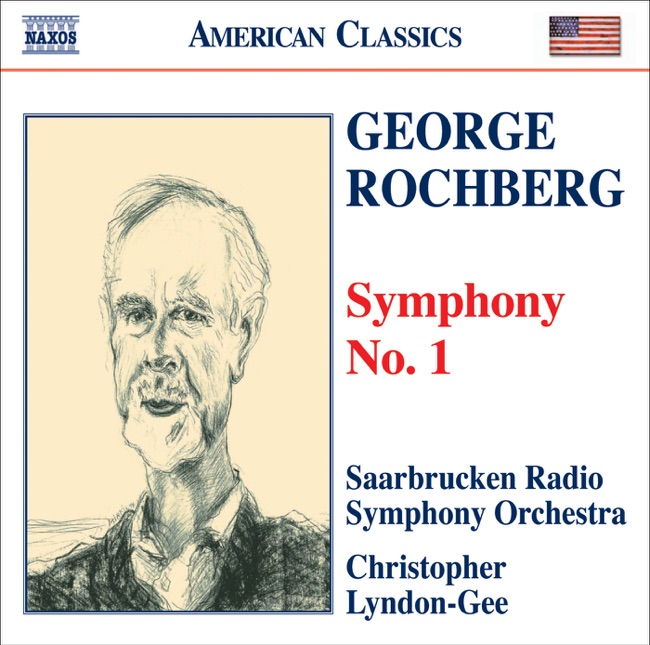 October 30, 2007
 -
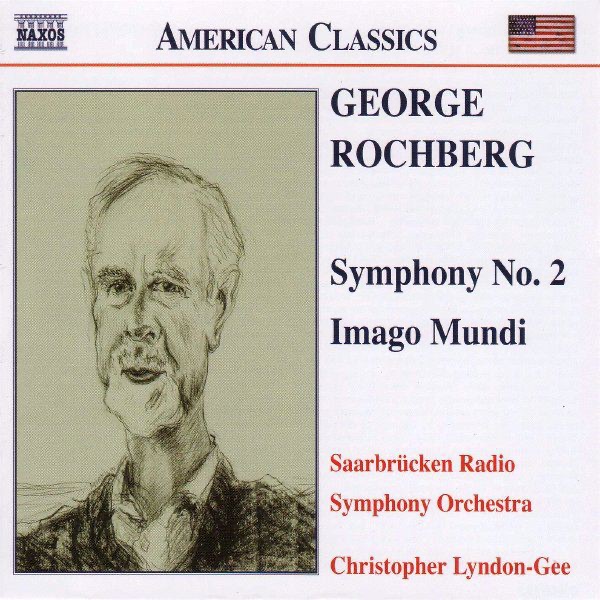 September 20, 2005
Concerto
-
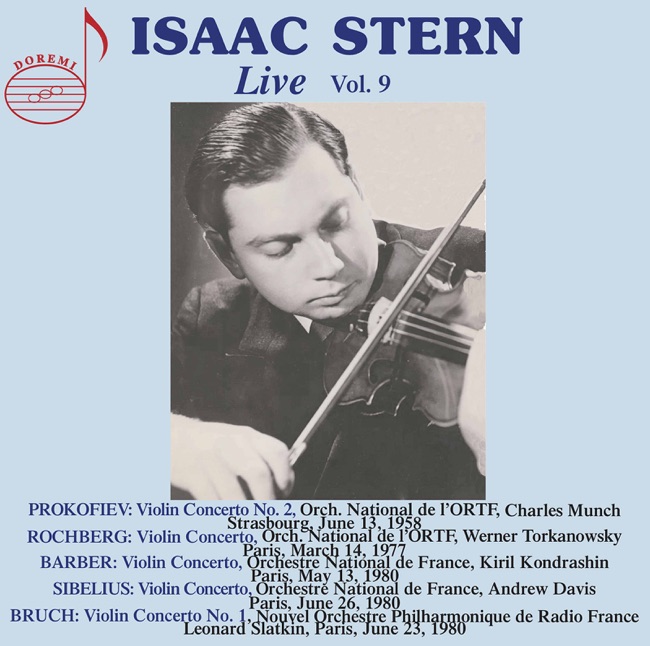 September 17, 2021
 -
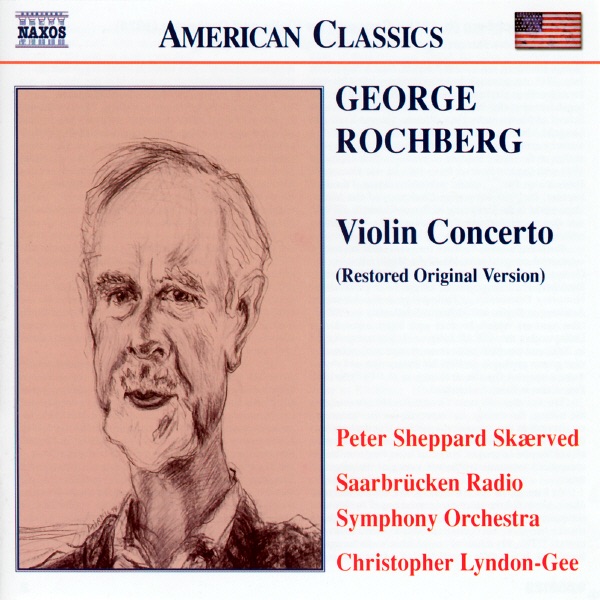 April 20, 2004
 -
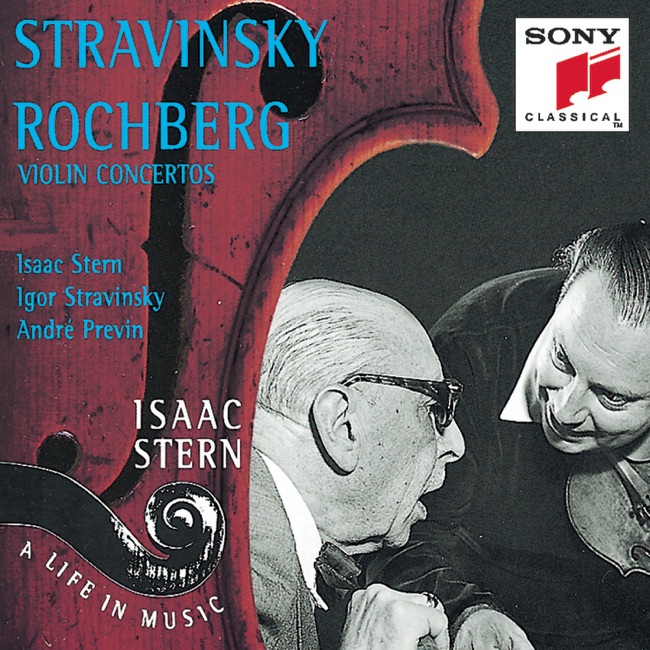 July 25, 1995
 -
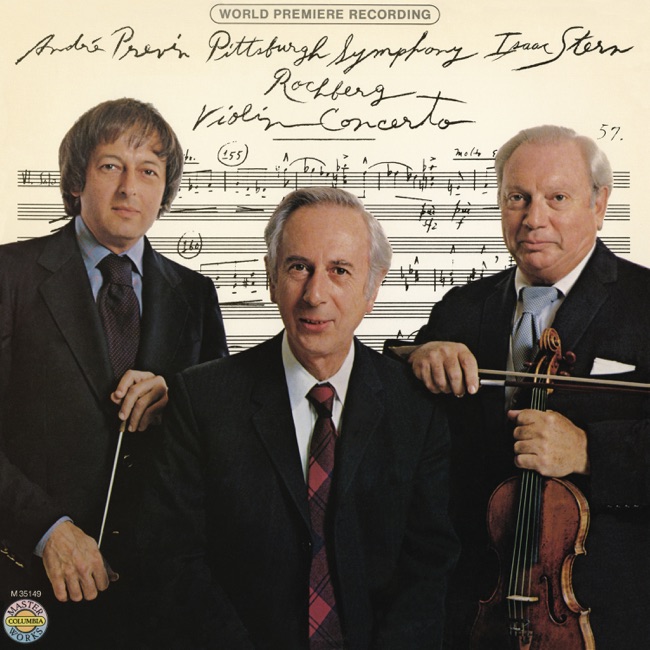
Artist Info
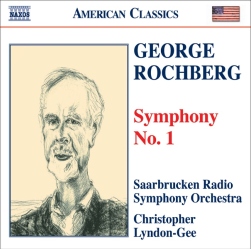
Role:ComposerCountry: United States of AmericaBirth:July 5, 1918 in Paterson, NJDeath:May 29, 2005 in Bryn Mawr, PAPeriod:ContemporaryGenre:ChamberKeyboardGeorge Rochberg was an American composer who was born on July 5, 1918, in Paterson, New Jersey. He was the son of Russian-Jewish immigrants and grew up in a musical family. His father was a violinist and his mother was a pianist, and they encouraged him to pursue music from a young age. Rochberg began his musical education at the Mannes School of Music in New York City, where he studied composition with George Szell and Walter Piston. He later continued his studies at the Curtis Institute of Music in Philadelphia, where he studied with Rosario Scalero and Gian Carlo Menotti. During World War II, Rochberg served in the Army Air Corps and was stationed in India. While there, he continued to compose and was influenced by the music of India and other Eastern cultures. After the war, Rochberg returned to the United States and began his career as a composer. He was initially associated with the avant-garde movement, and his early works were characterized by atonality and serialism. However, in the 1960s, Rochberg began to question the limitations of these techniques and began to incorporate tonality and other traditional elements into his music. One of Rochberg's most famous works is his String Quartet No. 3, which he composed in 1972. The piece is notable for its use of tonality and its incorporation of quotations from other composers, including Beethoven and Mahler. The quartet was initially controversial, as it represented a departure from the avant-garde style that Rochberg had previously been associated with. However, it has since become recognized as a landmark work in the development of postmodernism in music. Another notable work by Rochberg is his Symphony No. 5, which he composed in 1984. The symphony is a tribute to the victims of the Holocaust and incorporates Jewish melodies and themes. The piece is notable for its emotional intensity and its use of tonality and traditional forms. Throughout his career, Rochberg received numerous awards and honors for his contributions to music. He was a Guggenheim Fellow, a member of the American Academy of Arts and Letters, and a recipient of the National Medal of Arts. He also served as a professor of music at the University of Pennsylvania for many years. Rochberg continued to compose until his death on May 29, 2005, at the age of 86. His legacy as a composer is characterized by his willingness to challenge the conventions of contemporary music and his commitment to incorporating traditional elements into his work.More....
Recent Artist Music

10
28:26
Copyright Ⓒ 2013 Davinci Finger. All rights reseved
Service Terms & Policy