


Fuminori Tanada
Released Album
Chamber
-
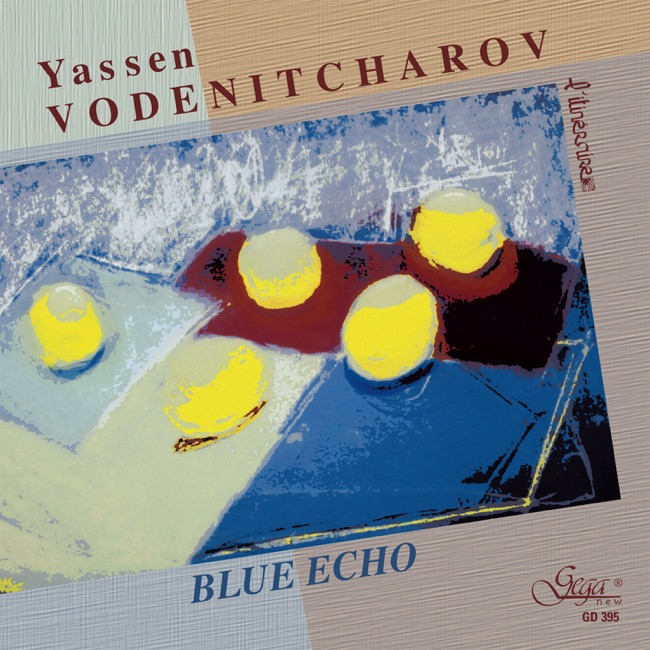 June 2, 2017
 -
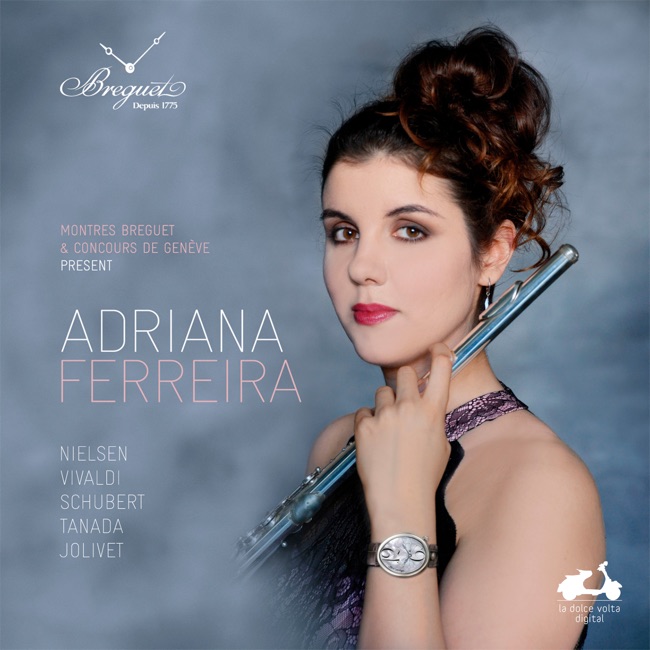 January 22, 2016
 -
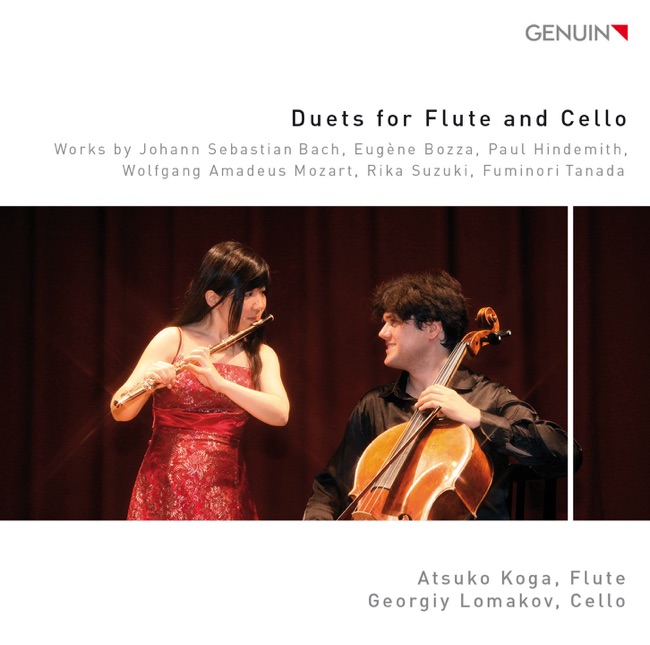 March 10, 2015
 -
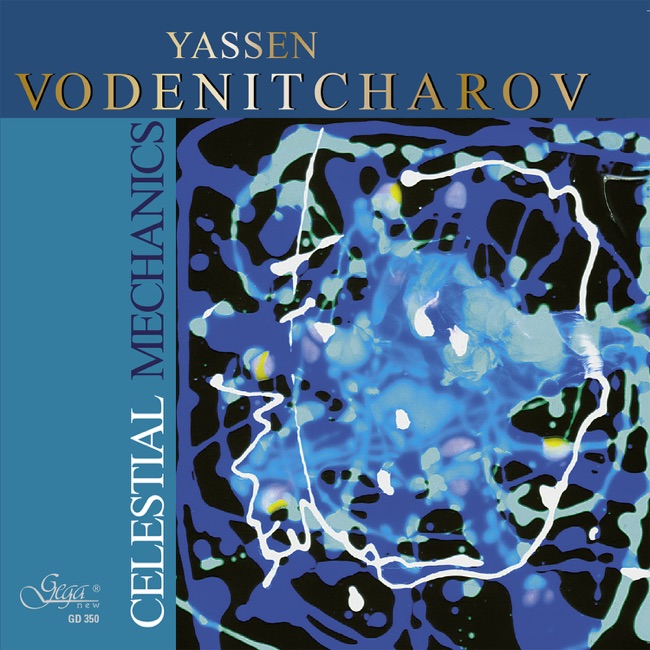 December 9, 2014
 -
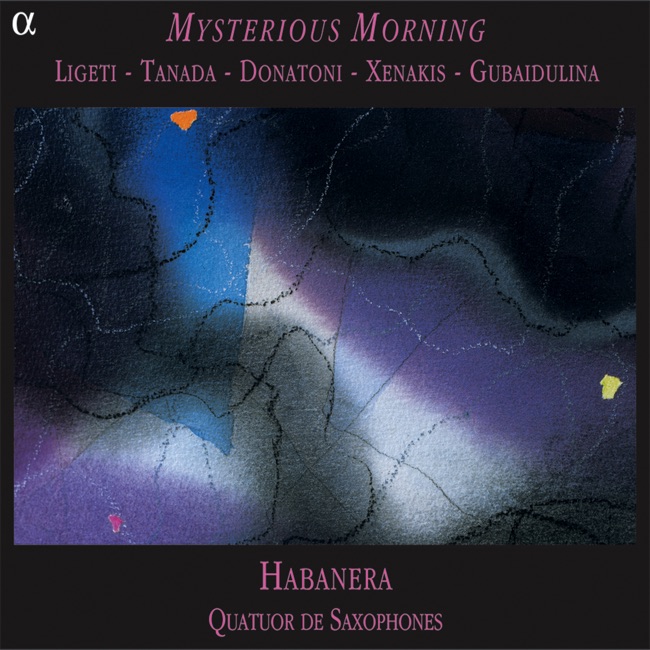 July 20, 2004
Miscellaneous
-
 January 10, 2016
Vocal
-
 November 18, 2022
 -
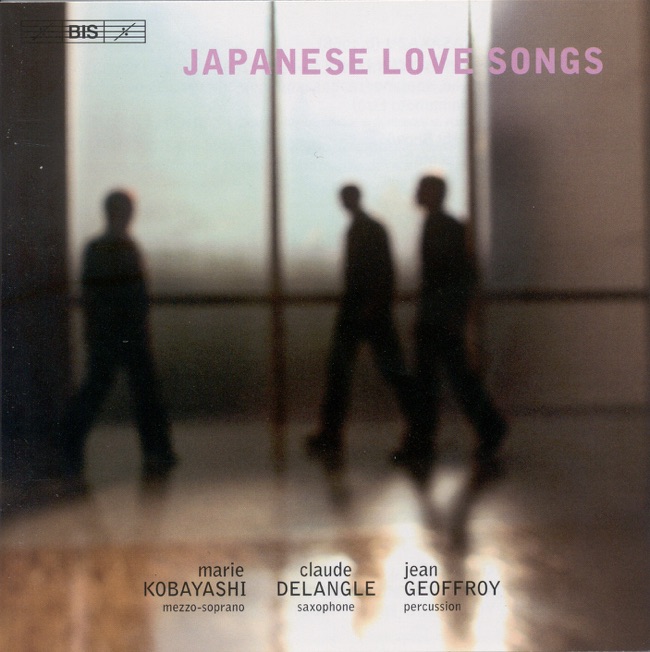 July 28, 2009
Keyboard
Artist Info
Role:ComposerCountry: JapanBirth:1961 in Okayama, JapanPeriod:ContemporaryModernGenre:ChamberKeyboardFuminori Tanada was a Japanese composer of classical music who was born on December 22, 1924, in Tokyo, Japan. He was the youngest of three children and grew up in a family that was passionate about music. His father was a music teacher, and his mother was a pianist. Tanada's parents recognized his musical talent at an early age and encouraged him to pursue a career in music. Tanada began his musical education at the age of six when he started taking piano lessons. He showed great promise as a pianist and composer, and by the time he was a teenager, he had already composed several pieces of music. In 1943, Tanada enrolled in the Tokyo National University of Fine Arts and Music, where he studied composition under the tutelage of Tomojiro Ikenouchi. During his time at the university, Tanada was exposed to a wide range of musical styles and composers, including Western classical music, Japanese traditional music, and contemporary music. He was particularly interested in the works of Igor Stravinsky, Arnold Schoenberg, and Anton Webern, and he incorporated elements of their styles into his own compositions. After graduating from the university in 1947, Tanada began his career as a composer. He quickly gained recognition for his innovative and experimental approach to music, and his works were performed by some of the most prestigious orchestras and ensembles in Japan. One of Tanada's most significant works is his Symphony No. 1, which he composed in 1952. The symphony is a complex and challenging piece of music that incorporates elements of serialism and atonality. It was well-received by critics and audiences alike and established Tanada as one of the leading composers of his generation. In addition to his symphonies, Tanada also composed a wide range of other works, including chamber music, vocal music, and operas. One of his most famous operas is "The Tale of Genji," which he composed in 1960. The opera is based on the classic Japanese novel of the same name and is considered one of Tanada's most significant works. Throughout his career, Tanada was known for his willingness to experiment with new musical forms and techniques. He was particularly interested in incorporating elements of Japanese traditional music into his compositions, and he often used traditional Japanese instruments in his works. Tanada's music was also influenced by his interest in philosophy and literature. He was particularly interested in the works of Friedrich Nietzsche and Jean-Paul Sartre, and he often incorporated their ideas into his compositions. Despite his success as a composer, Tanada remained humble and dedicated to his craft throughout his life. He continued to compose music until his death in 2006, leaving behind a legacy of innovative and groundbreaking works that continue to inspire and challenge musicians and audiences around the world.More....
Recent Artist Music
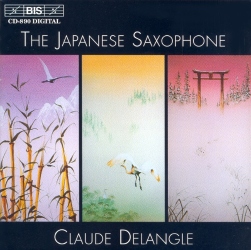
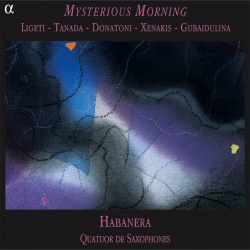
3
6:36
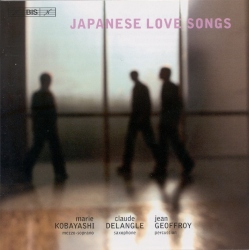
10
5:47




Copyright Ⓒ 2013 Davinci Finger. All rights reseved
Service Terms & Policy