


Richard Wernick
Released Album
Vocal
-
-
 May 30, 2006
 -
 April 13, 2004
 -
-
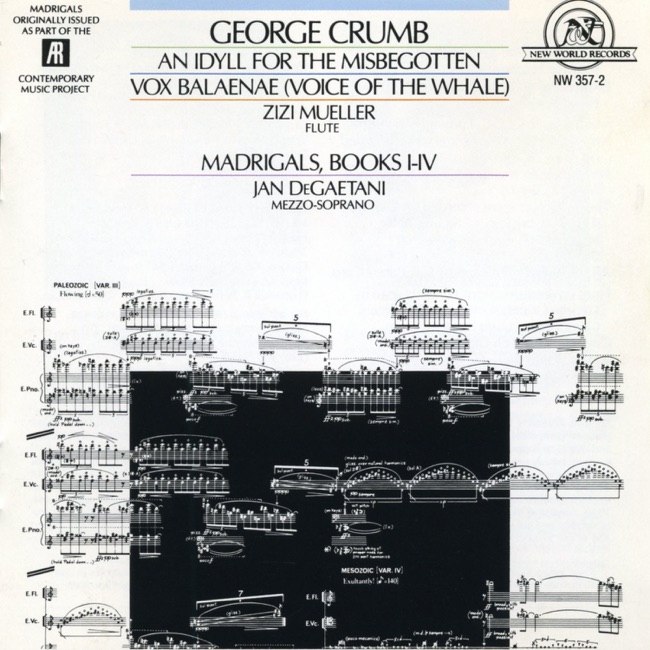 December 8, 1992
 -
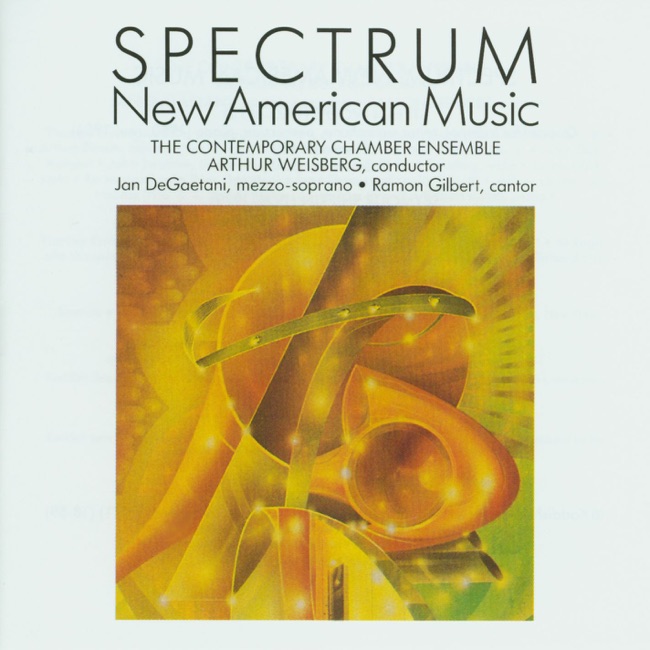 May 28, 1992
Chamber
-
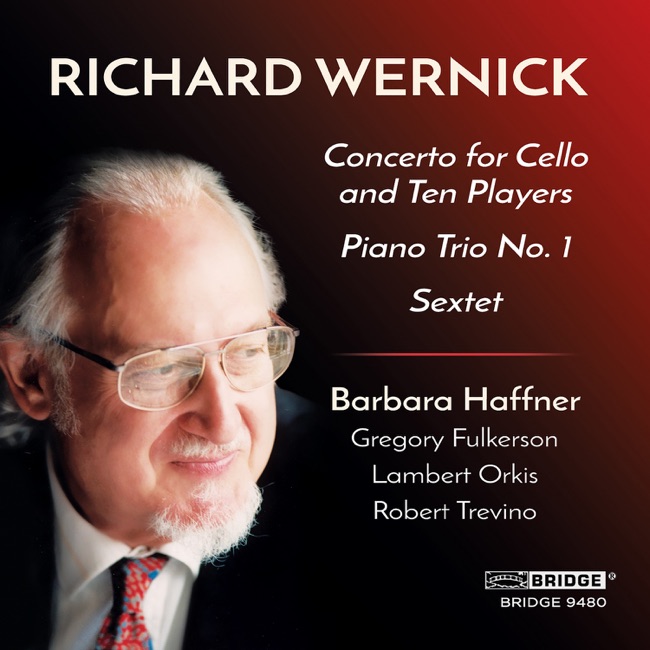
-
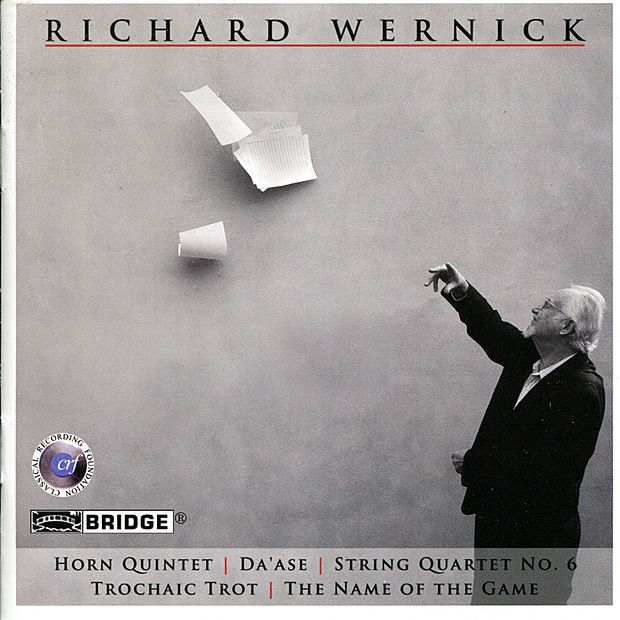
-
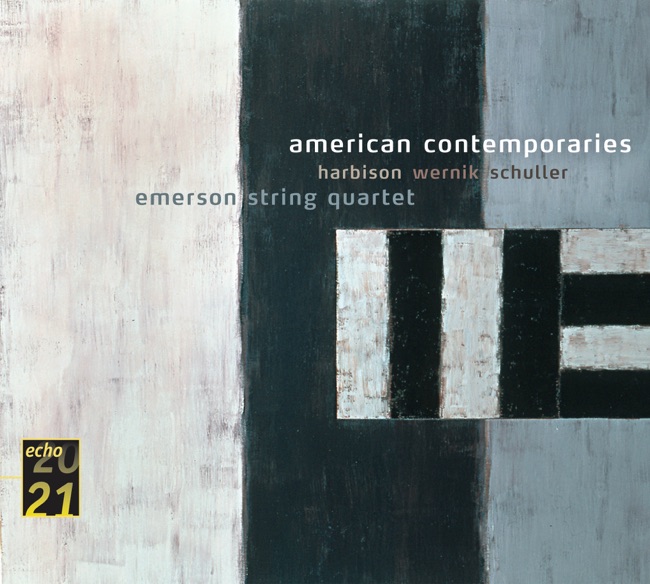 February 8, 2005
 -
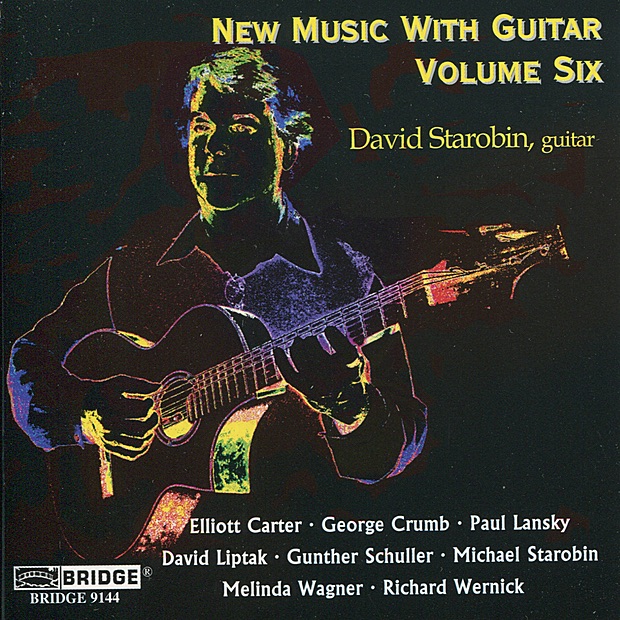 April 27, 2004
 -
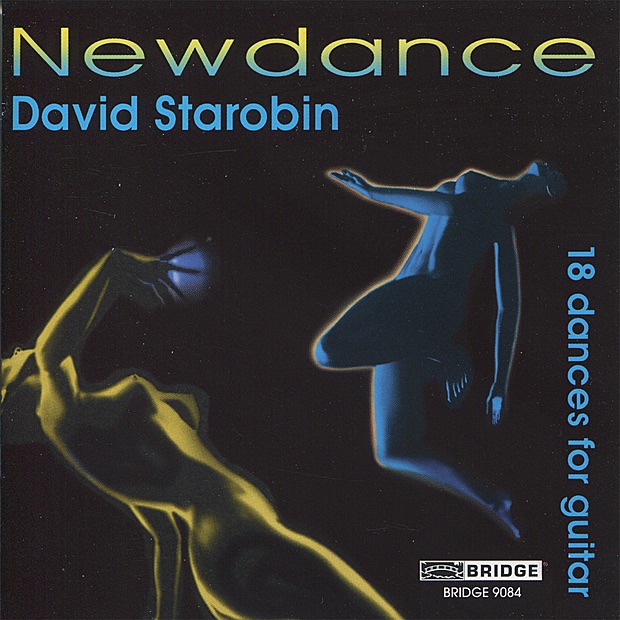 April 1, 1998
 -
 November 18, 1997
Keyboard
-
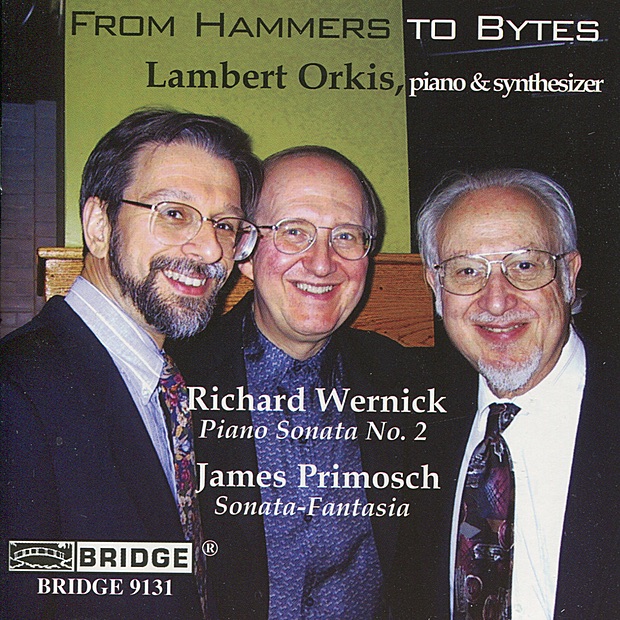 May 27, 2003
 -
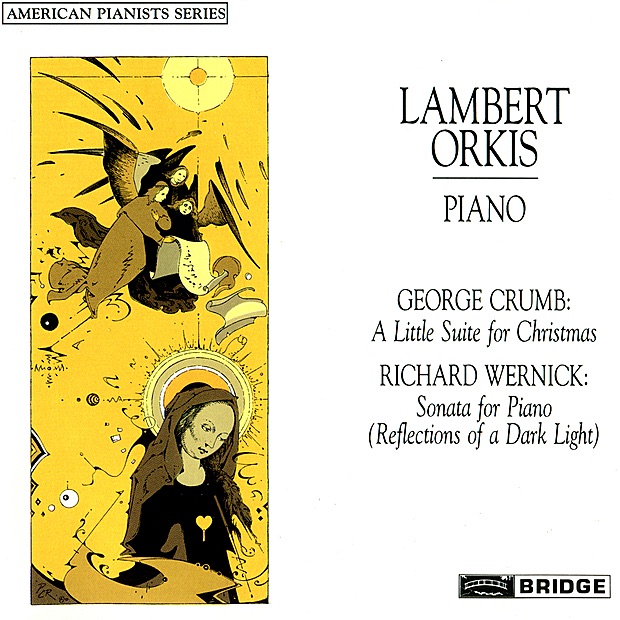 June 1, 1986
Concerto
-
 August 18, 2017
Artist Info
Role:Composer ConductorBirth:January 16, 1934 in Boston, MAPeriod:ContemporaryModernGenre:ChamberConcertoKeyboardVocalRichard Wernick is a renowned American composer of classical music. He was born on January 16, 1934, in Boston, Massachusetts. Wernick grew up in a family of musicians, and his father was a violinist in the Boston Symphony Orchestra. His mother was also a pianist, and his sister was a cellist. Wernick started playing the piano at a young age and later learned to play the violin and viola. Wernick attended Harvard University, where he studied music composition with Walter Piston and Randall Thompson. He also studied at the Berkshire Music Center, now known as the Tanglewood Music Center, where he worked with Aaron Copland and Leonard Bernstein. Wernick received his Bachelor of Arts degree from Harvard in 1955 and his Master of Arts degree in 1957. Wernick's early works were influenced by the serialism movement, which was popular in the mid-20th century. However, he later moved away from this style and began to incorporate more tonal elements into his compositions. Wernick's music is known for its complexity and emotional depth, and he often draws inspiration from literature and poetry. One of Wernick's most notable works is his Symphony No. 1, which he composed in 1963. The symphony is a four-movement work that showcases Wernick's mastery of orchestration and his ability to create complex musical structures. The symphony was premiered by the Boston Symphony Orchestra under the direction of Erich Leinsdorf and was well-received by both audiences and critics. Wernick's other notable works include his String Quartet No. 2, which was commissioned by the Juilliard String Quartet and premiered in 1971. The quartet is a challenging work that showcases Wernick's ability to create intricate musical textures and his use of dissonance to create tension and drama. Another notable work by Wernick is his opera, "The Tempest," which is based on the play by William Shakespeare. The opera was commissioned by the Santa Fe Opera and premiered in 1986. The work is a complex and emotionally charged piece that showcases Wernick's ability to create music that is both dramatic and lyrical. Wernick has received numerous awards and honors throughout his career, including a Guggenheim Fellowship, a Fulbright Fellowship, and a Pulitzer Prize in Music for his String Quartet No. 3. He has also been a professor of music at the University of Pennsylvania since 1968 and has taught at other institutions, including Columbia University and the New England Conservatory of Music. In addition to his work as a composer, Wernick has also been an advocate for contemporary classical music. He has served on the board of directors for the American Composers Alliance and has been a member of the American Academy of Arts and Letters since 1981. Overall, Richard Wernick is a highly respected composer of classical music who has made significant contributions to the field. His works are known for their complexity and emotional depth, and he has been recognized with numerous awards and honors throughout his career. Wernick's legacy as a composer and advocate for contemporary classical music will continue to inspire future generations of musicians and composers.More....
Recent Artist Music
Copyright Ⓒ 2013 Davinci Finger. All rights reseved
Service Terms & Policy