


Frederic Curzon
Released Album
Orchestral
-
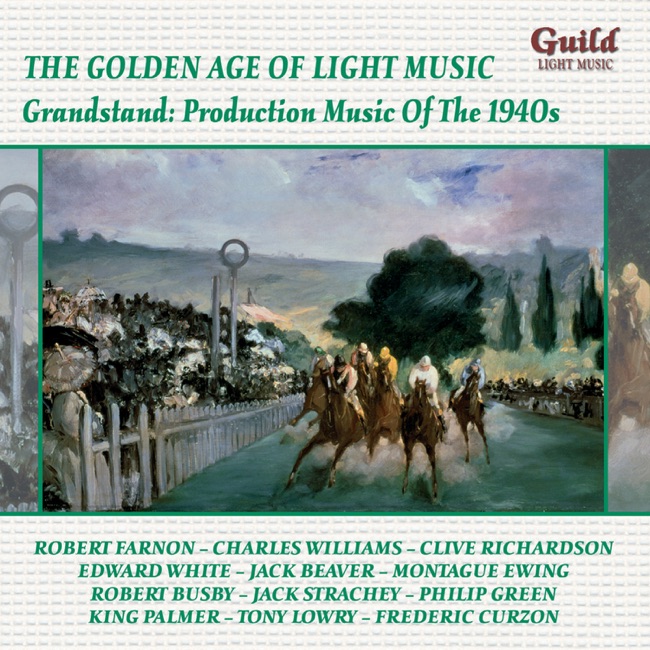
-
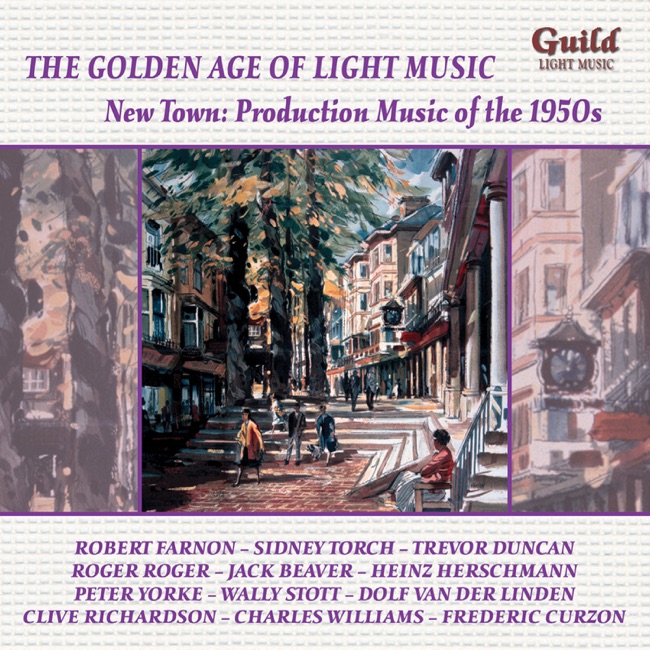
-
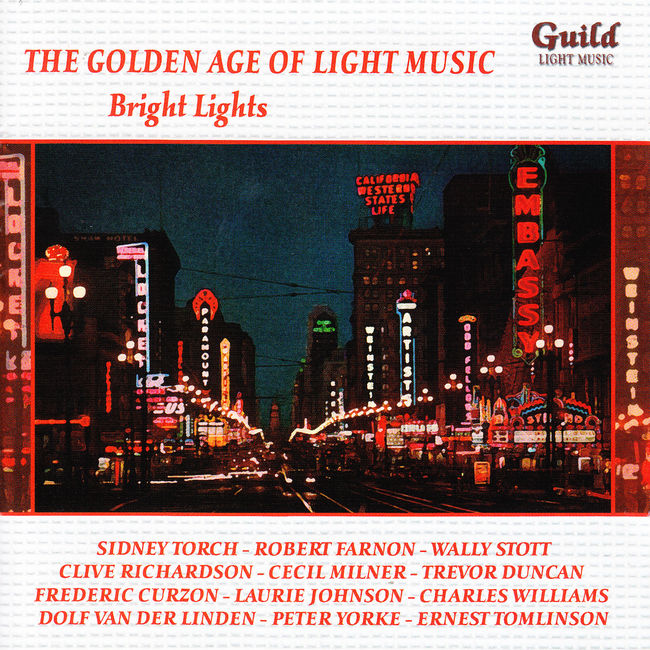 January 6, 2014
 -
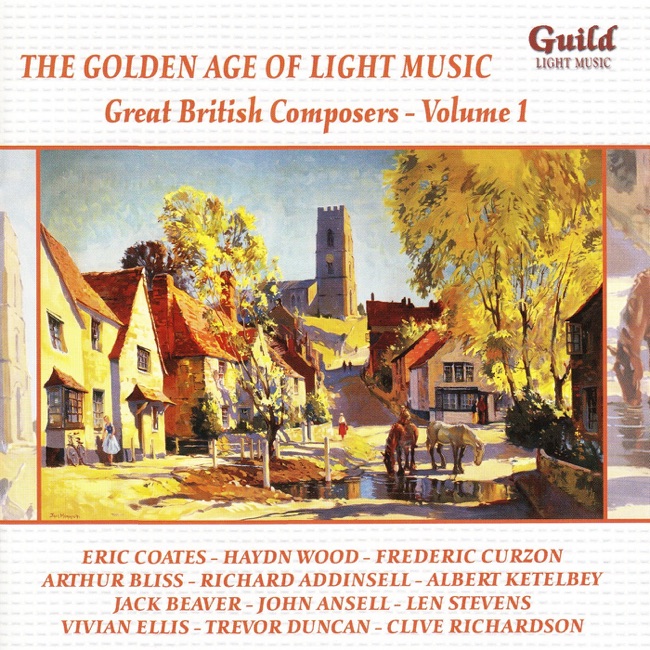 November 13, 2012
 -
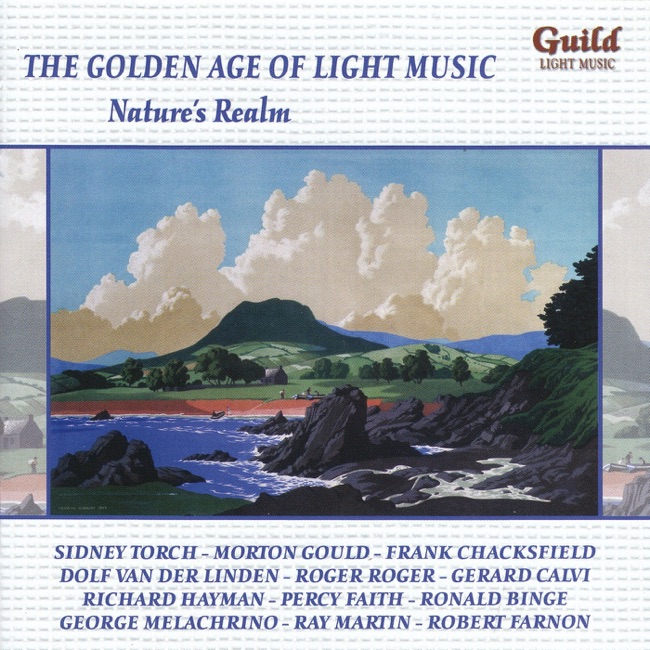 July 2, 2012
 -
 March 12, 2012
Artist Info
Role:Composer ConductorCountry: United KingdomBirth:September 4, 1899 in London, EnglandDeath:December 6, 1973 in Bournemouth, Dorset, EnglandPeriod:ContemporaryModernGenre:ChamberOrchestralFrederic Curzon was a British composer and conductor who was born on September 5, 1899, in London, England. He was the son of a successful businessman and was raised in a family that valued music and the arts. Curzon showed an early interest in music and began studying the piano at a young age. He later studied composition with the renowned composer and conductor, Sir Edward Elgar. Curzon's early compositions were influenced by the Romantic style of music, which was popular in the late 19th and early 20th centuries. He was particularly drawn to the works of composers such as Tchaikovsky, Brahms, and Wagner. Curzon's first major composition was a piano concerto, which he wrote when he was just 18 years old. The concerto was well-received and helped establish Curzon as a promising young composer. In the years that followed, Curzon continued to compose music and also began conducting orchestras. He was appointed the conductor of the Hastings Municipal Orchestra in 1921 and later became the conductor of the Bournemouth Municipal Orchestra. Curzon's conducting skills were highly regarded, and he was known for his ability to bring out the best in his musicians. Curzon's compositions during this period were varied and included works for orchestra, piano, and chamber ensembles. He also wrote music for films and radio broadcasts. One of his most popular works from this period was his suite of English Idylls, which was composed in 1924. The suite was a collection of pastoral pieces that evoked the English countryside and was well-received by audiences and critics alike. In the 1930s, Curzon's music began to take on a more modernist style. He was influenced by the works of composers such as Stravinsky and Bartok and began incorporating elements of their music into his own compositions. Curzon's music from this period was characterized by its use of dissonance and complex rhythms. One of Curzon's most famous works from this period was his March of the Bowmen, which was composed in 1934. The piece was inspired by the legend of Robin Hood and was written for the Royal Air Force Central Band. The March of the Bowmen became one of Curzon's most popular works and was frequently performed by military bands. During World War II, Curzon served in the Royal Air Force and was stationed in India. While there, he continued to compose music and also conducted the Calcutta Symphony Orchestra. Curzon's experiences in India had a profound influence on his music, and he began incorporating Indian musical elements into his compositions. One of Curzon's most famous works from this period was his Indian Summer Suite, which was composed in 1943. The suite was a collection of pieces that combined Western classical music with Indian classical music. The Indian Summer Suite was well-received by audiences and critics and helped establish Curzon as a composer who was willing to experiment with new musical styles. After the war, Curzon continued to compose music and also worked as a conductor and arranger. He wrote music for films, radio broadcasts, and television programs. One of his most famous works from this period was his music for the television series, Paul Temple. The series was a popular detective drama that aired in the 1950s and 1960s, and Curzon's music helped establish the show's distinctive style. Curzon's later works were characterized by their use of light and playful melodies.More....
Recent Artist Music
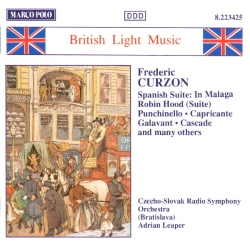
6
2:50
7
3:
13
3:31




Copyright Ⓒ 2013 Davinci Finger. All rights reseved
Service Terms & Policy