


Theodor Schacht
Released Album
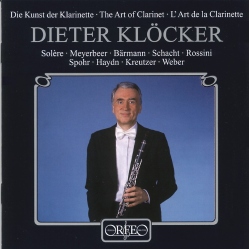
Concerto
-
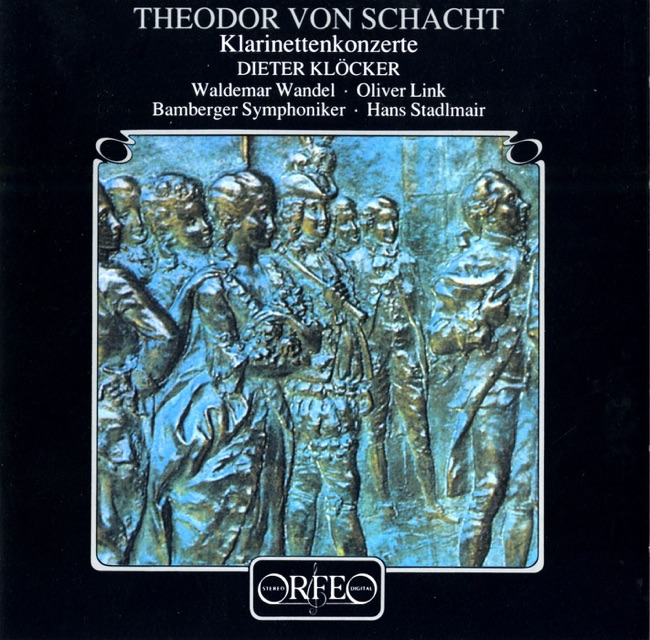 May 26, 1994
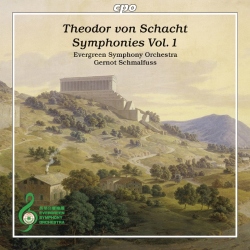
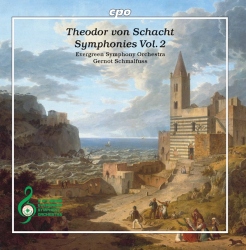
Symphony
-
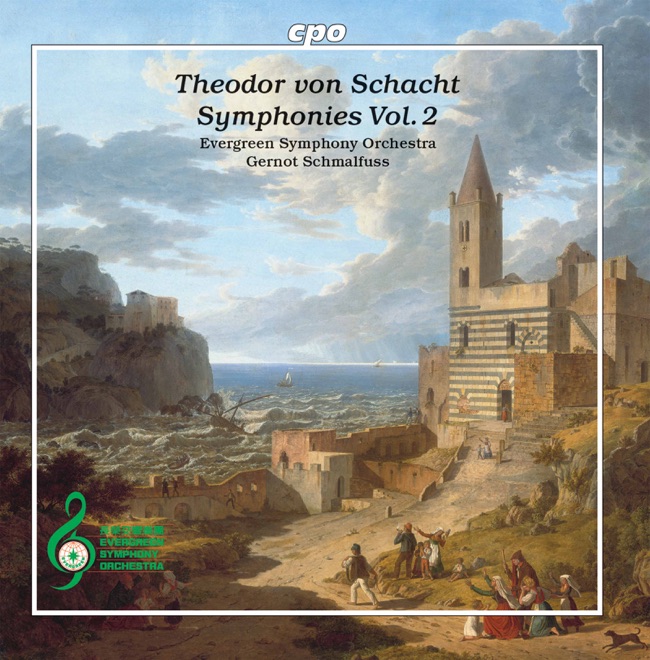 July 30, 2021
 -
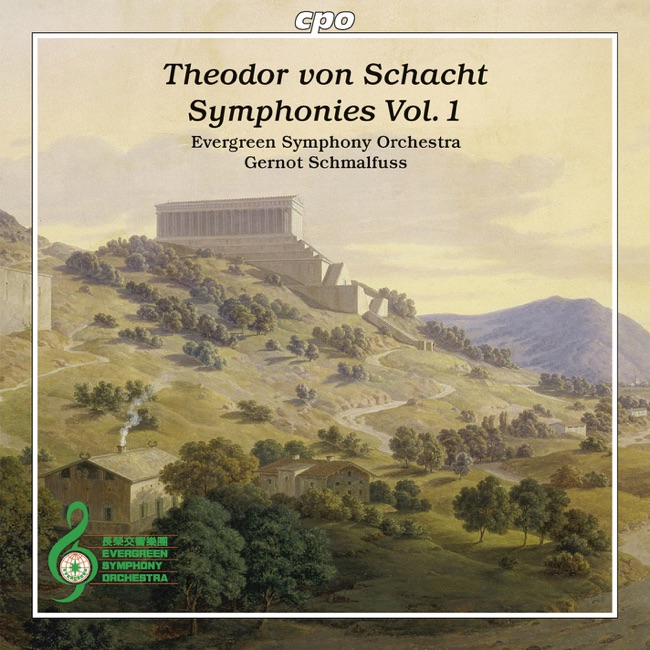 April 28, 2014
Artist Info
Role:ComposerBirth:1748Death:1823Period:ClassicalGenre:ConcertoTheodor Schacht was a German composer born on January 12, 1875, in the city of Leipzig. He was the son of a music teacher and grew up in a family that was deeply involved in music. His father recognized his son's musical talent at an early age and began teaching him the piano and violin. Schacht's musical education continued at the Leipzig Conservatory, where he studied composition with Salomon Jadassohn and Carl Reinecke. After completing his studies, Schacht worked as a music teacher and conductor in various German cities. In 1903, he became the conductor of the Leipzig Symphony Orchestra, a position he held for several years. During this time, he also began to gain recognition as a composer, with his works being performed by leading orchestras in Germany and other European countries. Schacht's music was deeply influenced by the Romantic tradition, with a focus on melody, harmony, and emotional expression. His early works, such as the Symphony No. 1 in C minor, showed a strong influence of Brahms and Wagner, with rich orchestration and complex harmonies. However, as he matured as a composer, Schacht developed his own distinctive style, characterized by a lyrical and expressive melodic line, a refined sense of harmony, and a subtle use of orchestral color. One of Schacht's most famous works is the Violin Concerto in D major, which he composed in 1910. The concerto is a virtuosic showcase for the solo violin, with a soaring and lyrical first movement, a playful and dance-like second movement, and a lively and energetic finale. The concerto has become a staple of the violin repertoire and is widely regarded as one of the finest works of its kind. Another notable work by Schacht is the Symphony No. 2 in E-flat major, which he composed in 1914. The symphony is a grand and expansive work, with a rich and colorful orchestration and a strong sense of drama and emotion. The first movement is marked by a soaring and majestic theme, while the second movement is a lyrical and introspective adagio. The third movement is a lively and playful scherzo, while the finale is a triumphant and exuberant conclusion to the work. Schacht's other works include several chamber music pieces, such as the String Quartet No. 1 in G minor and the Piano Trio in A minor, as well as numerous songs and choral works. His music was highly regarded by his contemporaries, with critics praising his melodic gift, his refined sense of harmony, and his ability to create works of great emotional depth and beauty. Despite his success as a composer, Schacht remained a modest and unassuming figure, dedicated to his craft and his family. He continued to compose throughout his life, even as he faced personal and professional challenges, including the upheavals of World War I and the rise of the Nazi regime in Germany. He died on December 22, 1946, in Leipzig, leaving behind a legacy of beautiful and deeply expressive music that continues to be admired and performed today.More....
Recent Artist Music
6
16:17
Copyright Ⓒ 2013 Davinci Finger. All rights reseved
Service Terms & Policy