


Isaak Dunayevsky
Released Album
Vocal
-
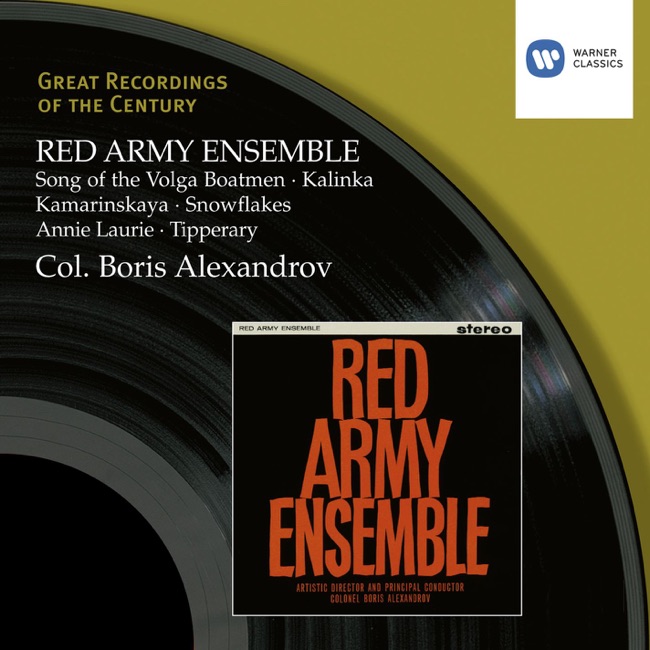 September 18, 2007
Choral
-
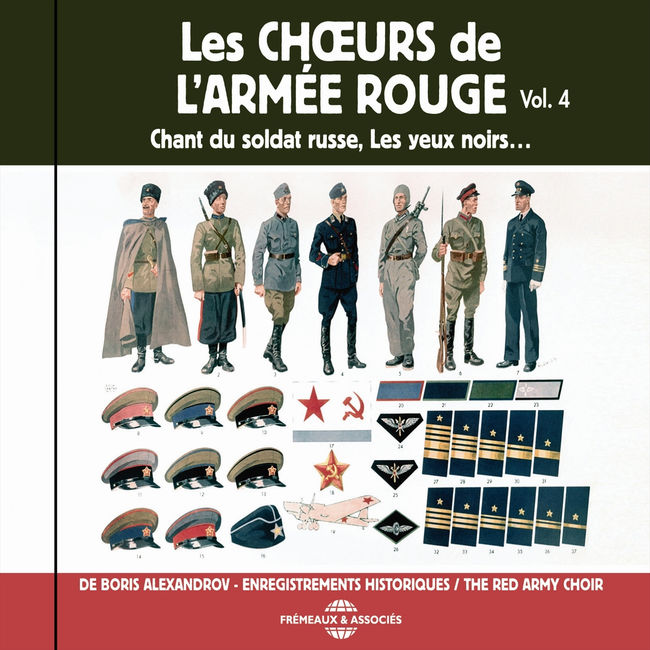 May 14, 2013
Artist Info
Role:ComposerBirth:January 30, 1900 in Lokhvytsia, UkraineDeath:July 25, 1955 in Moscow, RussiaGenre:BandFilmOperaVocalIsaak Dunayevsky was a prominent Soviet composer of classical music, known for his contributions to the development of Soviet musical theater. Born on January 30, 1900, in Lokhvitsa, Ukraine, Dunayevsky was the son of a Jewish cantor. He grew up in a musical family and began playing the piano at a young age. His father recognized his talent and encouraged him to pursue a career in music. Dunayevsky studied at the Kiev Conservatory, where he was trained in classical music composition. He was also exposed to the works of Russian composers such as Tchaikovsky, Rimsky-Korsakov, and Mussorgsky, which had a significant influence on his own compositions. After graduating from the conservatory in 1923, Dunayevsky began working as a composer for the Kiev Opera and Ballet Theater. In 1925, Dunayevsky moved to Moscow, where he began working for the newly formed Soviet film industry. He composed music for several films, including "The Circus" (1936), which became one of his most famous works. The film's theme song, "The Song of the Circus," became a popular hit and is still recognized as one of the most iconic songs in Russian cinema. Dunayevsky's success in the film industry led to his appointment as the chief composer for the Moscow Operetta Theater in 1934. He composed music for several operettas, including "The Merry Widow" (1935) and "The Circus Princess" (1936), which became popular hits in the Soviet Union. Dunayevsky's music was known for its catchy melodies and upbeat rhythms, which appealed to audiences of all ages. During World War II, Dunayevsky composed music for several patriotic films, including "The Swineherd and the Shepherd" (1941) and "The Young Guard" (1948). His music was used to inspire Soviet soldiers and boost morale on the home front. After the war, Dunayevsky continued to compose music for films and operettas, including "The Cossacks of the Kuban" (1950) and "The Nightingale" (1951). In addition to his work in film and theater, Dunayevsky also composed classical music. He wrote several symphonies, including his Symphony No. 1 in C minor (1935) and Symphony No. 2 in B minor (1940). He also composed chamber music, including his String Quartet No. 1 in D minor (1937) and String Quartet No. 2 in F major (1943). Dunayevsky's music was recognized for its unique blend of classical and popular styles. He was able to incorporate elements of folk music and jazz into his compositions, which gave his music a distinct sound. His music was also known for its emotional depth and ability to evoke a wide range of emotions in listeners. Dunayevsky received numerous awards and honors for his contributions to Soviet music. He was awarded the Stalin Prize four times, in 1941, 1946, 1948, and 1950. He was also awarded the Order of Lenin, the highest civilian honor in the Soviet Union, in 1950. Dunayevsky continued to compose music until his death on July 25, 1955, in Moscow. His legacy lives on through his music, which continues to be performed and enjoyed by audiences around the world. His contributions to Soviet music and theater have had a lasting impact on the development of Russian culture and continue to inspire new generations of musicians and composers.More....
Recent Artist Music
Copyright Ⓒ 2013 Davinci Finger. All rights reseved
Service Terms & Policy