


Beryl Rubinstein
Released Album
Chamber
-
 June 7, 2019
 -
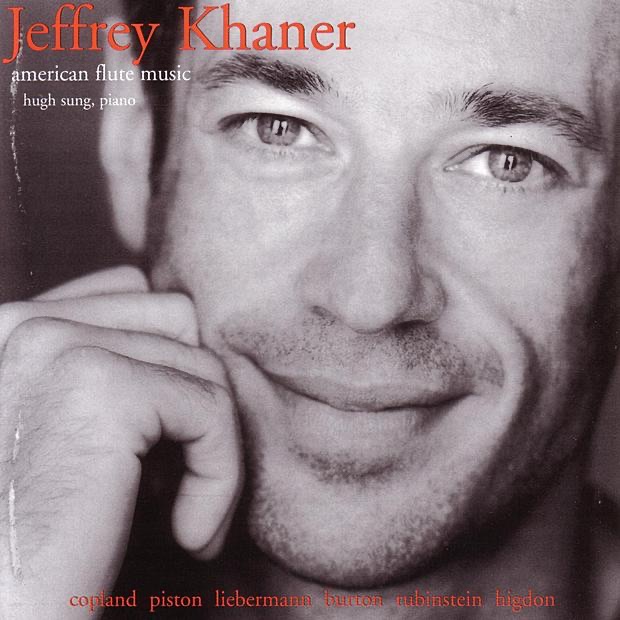 June 4, 2002
Keyboard
-
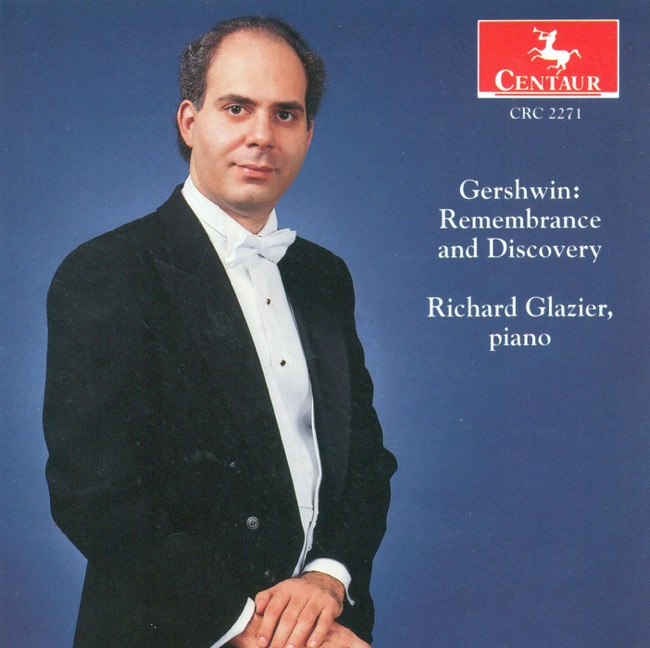 February 20, 1996
Artist Info
Role:Composer PerformerBirth:October 26, 1898 in Atlanta, GADeath:December 29, 1952 in Cleveland, OHPeriod:ModernGenre:ChamberKeyboardBeryl Rubinstein was a renowned classical music composer who was born on May 12, 1925, in New York City. She was the daughter of a Jewish immigrant family who had fled from Russia during the early 20th century. Her parents were both musicians, and they encouraged her to pursue music from a young age. Rubinstein began her musical training at the age of six, studying piano with her mother. She showed exceptional talent and quickly progressed to more advanced pieces. By the time she was a teenager, she was already composing her own music. In 1943, Rubinstein enrolled at the Juilliard School of Music in New York City. She studied composition with the renowned composer William Schuman and piano with Rosina Lhévinne. During her time at Juilliard, Rubinstein was awarded several prizes for her compositions, including the prestigious George Gershwin Memorial Award. After graduating from Juilliard in 1947, Rubinstein began her career as a composer. She quickly gained recognition for her unique style, which blended elements of classical music with jazz and folk music. Her compositions were often characterized by their complex harmonies, intricate rhythms, and lyrical melodies. One of Rubinstein's early works, "Three Songs for Soprano and Piano," was premiered in 1948 at the New York Public Library. The piece was well-received by critics, who praised Rubinstein's ability to blend different musical styles into a cohesive whole. In the 1950s, Rubinstein began to experiment with electronic music. She was one of the first classical composers to use electronic instruments in her compositions, and her work in this area was groundbreaking. Her electronic compositions were often characterized by their otherworldly sounds and unconventional structures. One of Rubinstein's most famous works is "Concerto for Piano and Orchestra," which was premiered in 1957 by the New York Philharmonic. The piece was a critical and commercial success, and it cemented Rubinstein's reputation as one of the most innovative composers of her time. Rubinstein continued to compose throughout the 1960s and 1970s, producing a wide range of works in different genres. She wrote several operas, including "The Tempest," which was premiered in 1962 at the Metropolitan Opera in New York City. She also composed several ballets, including "The Firebird," which was choreographed by George Balanchine and premiered by the New York City Ballet in 1970. In addition to her work as a composer, Rubinstein was also a respected music educator. She taught at several universities, including the University of California, Los Angeles, and the University of Michigan. She was known for her innovative teaching methods, which emphasized creativity and experimentation. Rubinstein's later works were often more introspective and reflective than her earlier compositions. She wrote several pieces for solo piano, including "Nocturne," which was composed in 1985. The piece is a hauntingly beautiful meditation on loss and grief, and it is considered one of Rubinstein's most personal works. Rubinstein continued to compose until her death in 1996. Her legacy as a composer and educator lives on, and her work continues to inspire new generations of musicians. She was a true pioneer in the world of classical music, and her contributions to the art form will be remembered for generations to come.More....

Copyright Ⓒ 2013 Davinci Finger. All rights reseved
Service Terms & Policy