


Rayner Brown
Released Album
Vocal
-
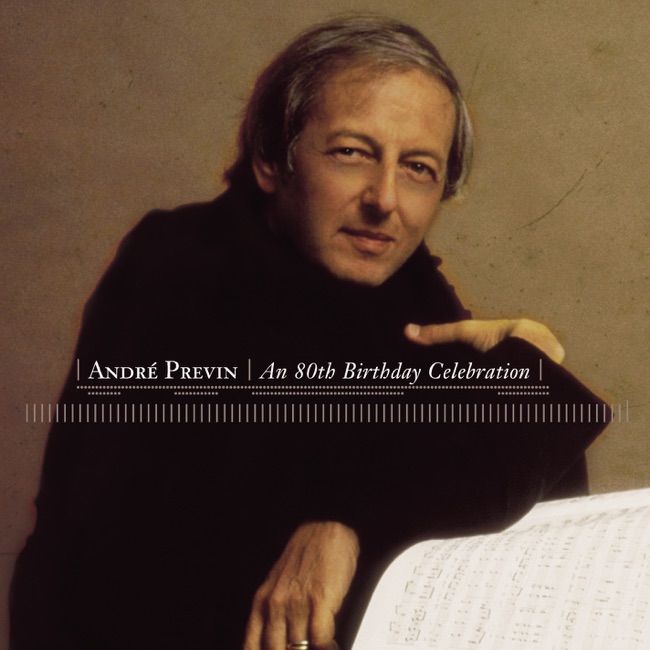 April 14, 2009
 -
 May 12, 1992
Miscellaneous
-
 January 1, 1998
Keyboard
-
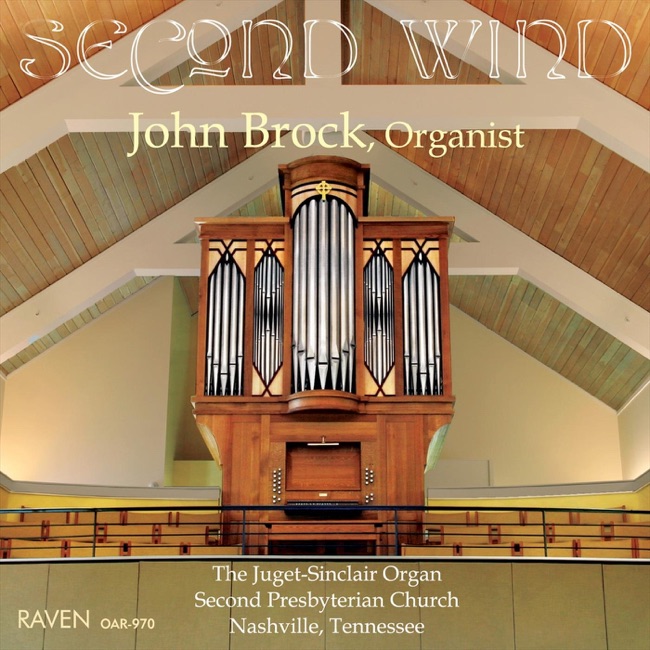 December 11, 2007
 -
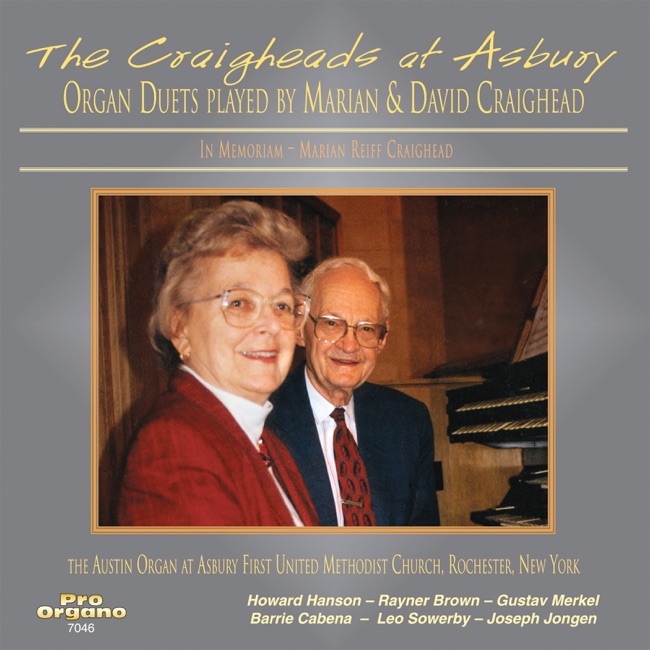 February 27, 2001
Chamber
-
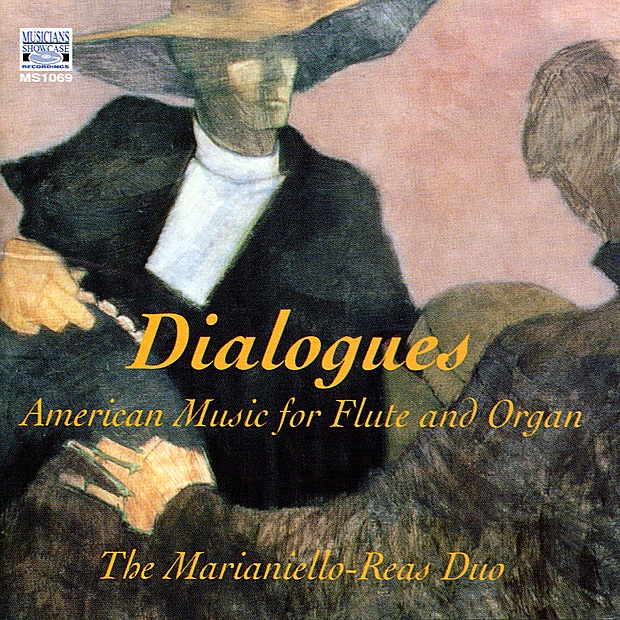 August 26, 2003
Artist Info
Role:ComposerBirth:1912Death:1999Period:ContemporaryModernGenre:ChamberConcertoFilmKeyboardRayner Brown was a British classical music composer who was born on May 12, 1922, in London, England. He was the youngest of three children and grew up in a musical family. His father was a professional violinist, and his mother was a pianist. Brown's parents recognized his musical talent at an early age and encouraged him to pursue a career in music. Brown began his musical education at the age of six when he started taking piano lessons. He showed a natural aptitude for the instrument and quickly progressed. At the age of ten, he started composing his own music, and by the time he was a teenager, he had already written several pieces for piano and chamber ensembles. In 1940, Brown was conscripted into the British Army and served in World War II. During his time in the army, he continued to compose music and even wrote a piece for the army band. After the war, he returned to London and resumed his musical studies. Brown studied composition with several prominent British composers, including Benjamin Britten and Michael Tippett. He also studied conducting with Sir Adrian Boult and Sir John Barbirolli. Brown's studies with these renowned musicians had a significant impact on his musical style and approach to composition. Brown's early works were heavily influenced by the music of Britten and Tippett. His compositions were characterized by their use of complex harmonies, intricate rhythms, and unconventional forms. His music was often described as being modernist, but with a strong sense of melody and tonality. One of Brown's most significant early works was his Piano Sonata No. 1, which he composed in 1950. The piece was well-received by critics and established Brown as a promising young composer. He continued to write music for piano throughout his career, and his piano works are considered some of his best compositions. In the 1950s, Brown began to experiment with electronic music. He was fascinated by the possibilities of using electronic instruments to create new sounds and textures. He composed several works for tape, including his Electronic Study No. 1, which was premiered at the 1958 Cheltenham Festival. Brown's interest in electronic music led him to collaborate with the BBC Radiophonic Workshop. He worked with the workshop on several projects, including the music for the television series Doctor Who. Brown's contributions to the show's music were significant, and his use of electronic instruments helped to create the iconic sound of the show. In the 1960s, Brown's music became more experimental and avant-garde. He began to incorporate elements of aleatoric and indeterminate music into his compositions. His works from this period were characterized by their use of chance operations and improvisation. One of Brown's most significant works from this period was his String Quartet No. 2, which he composed in 1964. The piece was written using chance operations, and the performers were instructed to improvise certain sections of the music. The piece was controversial at the time, but it has since become recognized as a groundbreaking work of avant-garde music. In the 1970s, Brown's music became more tonal and accessible. He began to incorporate elements of traditional tonality into his compositions, and his works became more melodic and lyrical. His music from this period was characterized by its use of lush harmonies and rich textures. One of Brown's most significant works from this period was his Symphony No.More....
Recent Artist Music

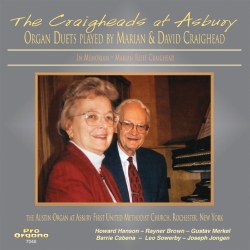
Copyright Ⓒ 2013 Davinci Finger. All rights reseved
Service Terms & Policy