


Egon Wellesz
Released Album
Chamber
-
 March 18, 2022
 -
 October 1, 2021
 -
-
 August 12, 2008
 -
 June 27, 2004
 -
 March 1, 2004
Vocal
-
 July 6, 2018
 -
 November 15, 2011
 -
 November 16, 2010
 -
Symphony
-
 July 23, 2010
 -
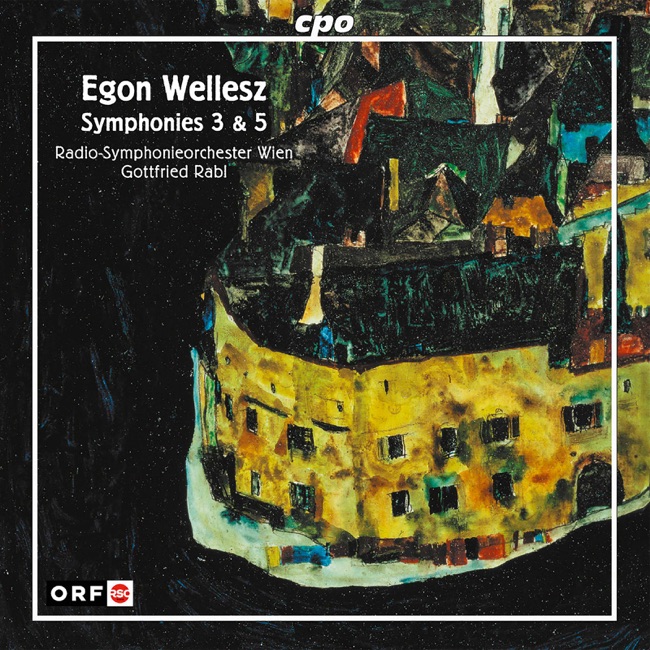 May 17, 2005
 -
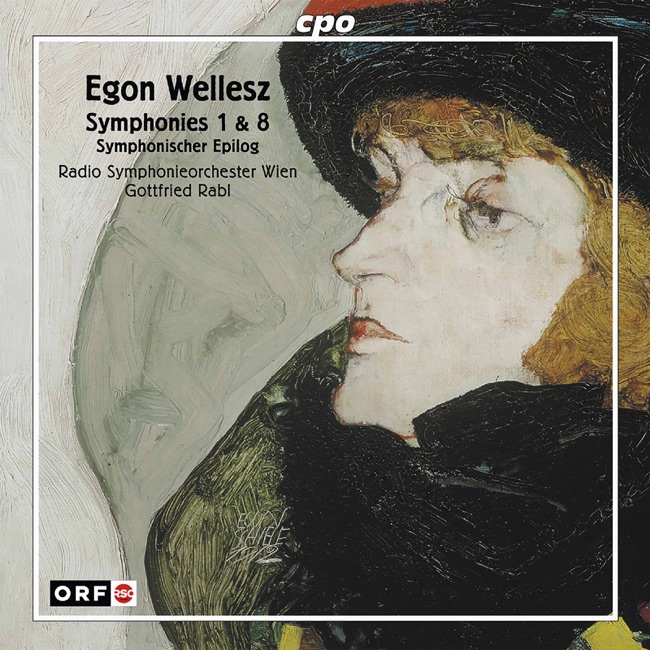 August 17, 2004
 -
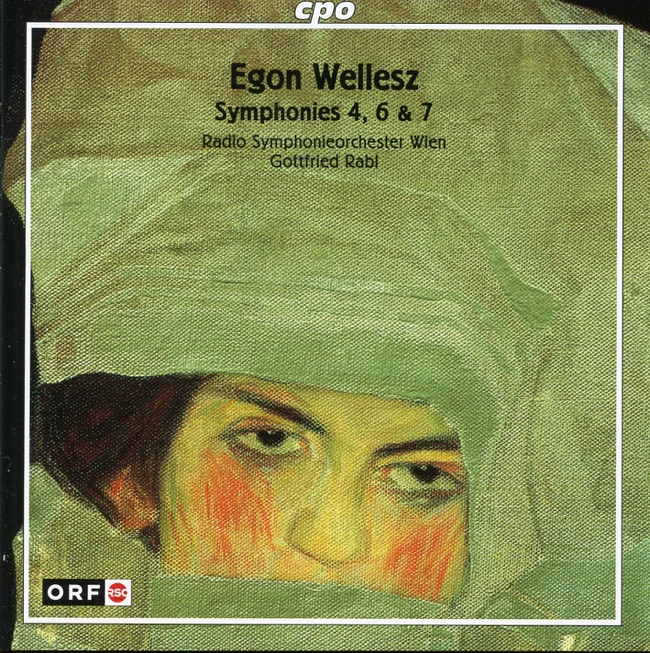 February 1, 2003
Keyboard
-
 March 10, 2015
 -
-
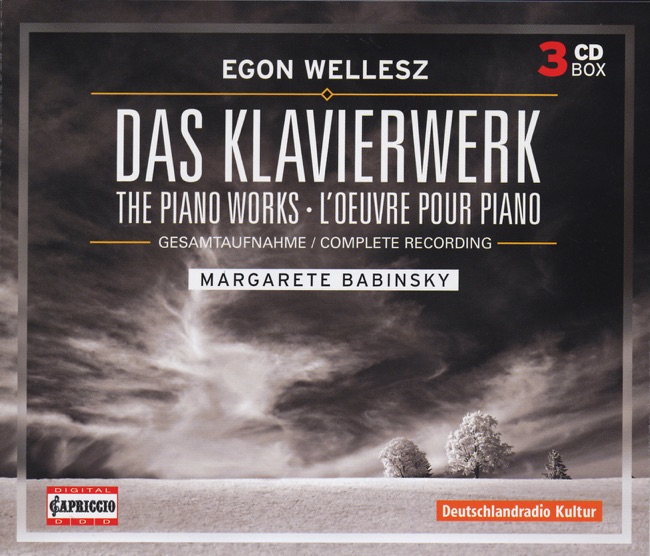 October 20, 2006
 -
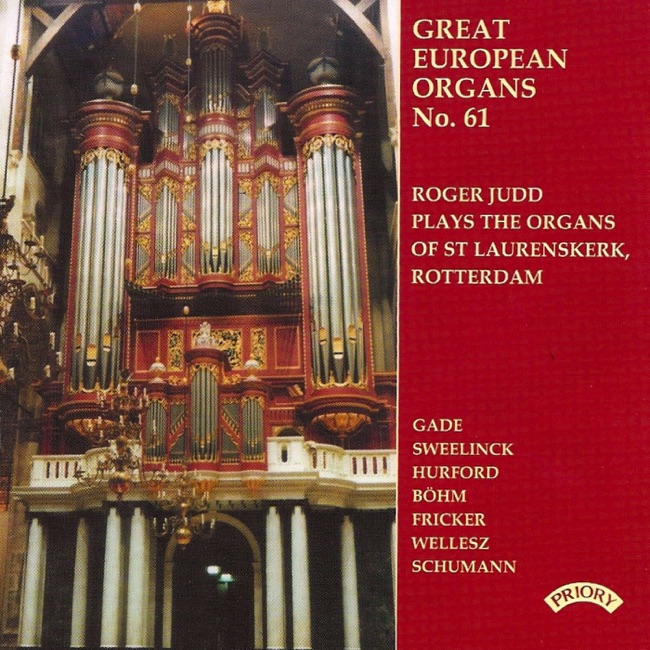 May 28, 2002
 -
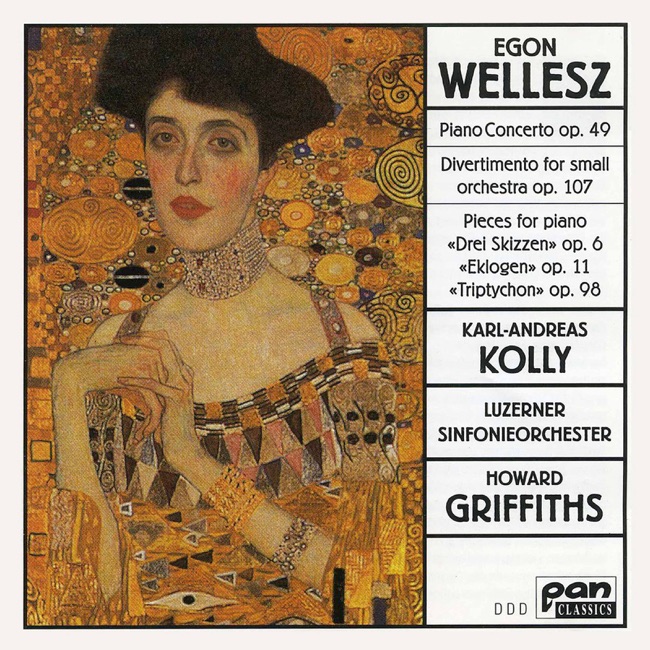 September 16, 2000
Artist Info
Role:ComposerCountry: United KingdomBirth:October 21, 1885 in Vienna, AustriaDeath:November 9, 1974 in Oxford, EnglandPeriod:ModernGenre:ChamberConcertoKeyboardOrchestralEgon Wellesz was a prominent Austrian composer and musicologist of the 20th century. He was born on October 21, 1885, in Vienna, Austria, to a Jewish family. His father was a successful businessman, and his mother was a talented pianist. Wellesz showed an early interest in music and began taking piano lessons at the age of six. He later studied composition with Arnold Schoenberg and musicology with Guido Adler at the University of Vienna. Wellesz's early compositions were influenced by the late Romantic style of Gustav Mahler and Richard Strauss. However, after studying with Schoenberg, he became interested in atonal and twelve-tone music. Wellesz's early works, such as his String Quartet No. 1 and Symphony No. 1, show a strong influence of Schoenberg's style. In 1914, Wellesz was drafted into the Austrian army and served in World War I. He was captured by the Russians and spent three years as a prisoner of war. During his captivity, he continued to compose music and wrote his Symphony No. 2, which was premiered in Vienna in 1920. After the war, Wellesz returned to Vienna and became a professor of musicology at the University of Vienna. He also continued to compose music and became a prominent figure in the Viennese music scene. In 1925, he wrote his opera Die Bakchantinnen, which was based on the Greek tragedy The Bacchae by Euripides. The opera was well-received and established Wellesz as a leading composer of his time. In the 1930s, Wellesz's life was greatly affected by the rise of Nazism in Germany and Austria. As a Jew, he was forced to flee Austria in 1938 and emigrated to England. He continued to compose music and became a professor of music at the University of Oxford. During this time, he wrote several important works, including his Symphony No. 4 and his String Quartet No. 5. After World War II, Wellesz returned to Austria and resumed his position as a professor of musicology at the University of Vienna. He continued to compose music and wrote several important works, including his Symphony No. 6 and his String Quartet No. 7. In 1955, he was awarded the Grand Austrian State Prize for Music. Wellesz's music is characterized by its use of atonality and twelve-tone techniques. His early works show a strong influence of Schoenberg's style, but he later developed his own unique voice. His music is often dramatic and intense, with a strong emotional impact. He wrote in a variety of genres, including symphonies, operas, chamber music, and choral works. Some of Wellesz's most important works include his Symphony No. 2, his opera Die Bakchantinnen, his Symphony No. 4, and his String Quartet No. 5. His music has been performed by many leading orchestras and ensembles around the world and continues to be an important part of the classical music repertoire. Egon Wellesz died on November 9, 1974, in Oxford, England, at the age of 89. He left behind a legacy of important and influential music, as well as a significant contribution to the field of musicology.More....
Recent Artist Music


6
1:21
10
8:45
15

Life, Dreams and Deaths (2), Op. 55
Leben, Traum und Tod; Zwei Gesänge für Altstimme und Orchester, Op. 55
8:18
Copyright Ⓒ 2013 Davinci Finger. All rights reseved
Service Terms & Policy