


Reinhard Schwarz-Schilling
Released Album
Chamber
-
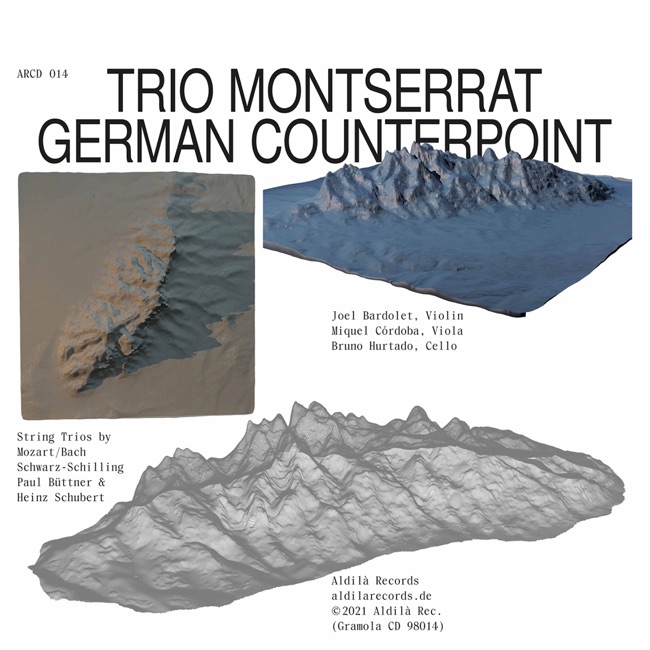 February 12, 2021
 -
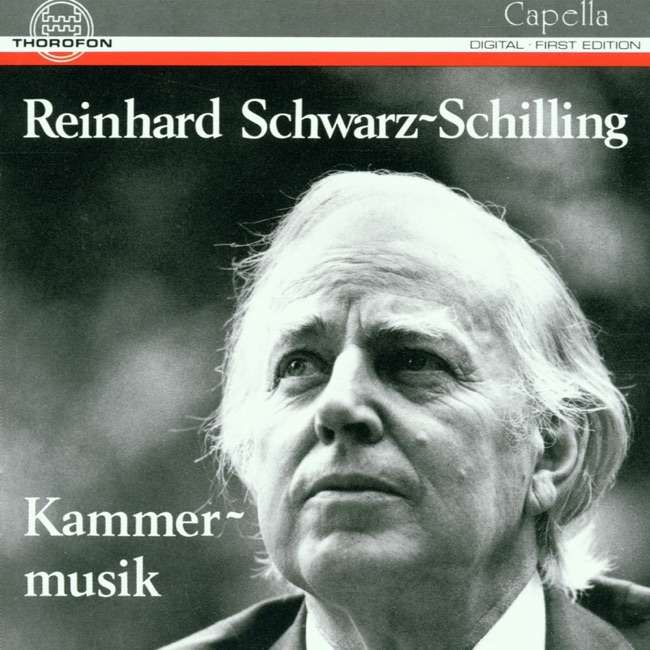 November 15, 2008
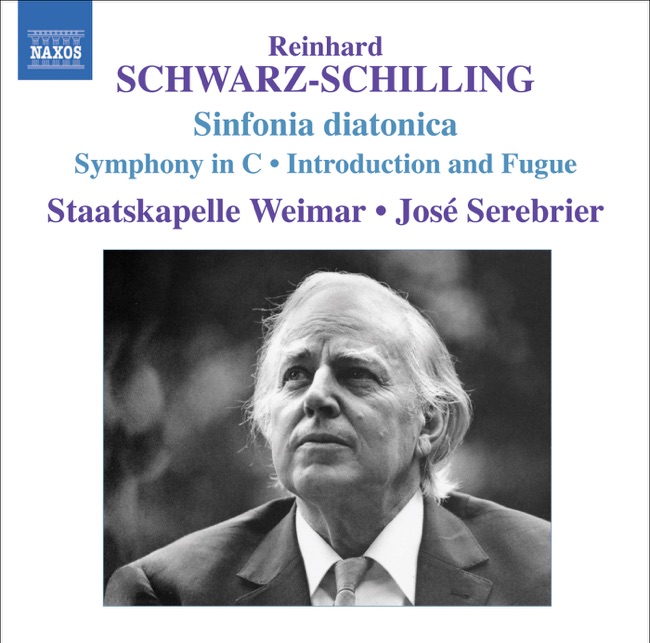
Orchestral

Vocal
Artist Info
Role:ComposerCountry: GermanyBirth:May 9, 1904 in Hanover, GermanyDeath:December 9, 1985 in Berlin, GermanyPeriod:ModernGenre:KeyboardVocalReinhard Schwarz-Schilling was a German composer and musicologist who was born on November 9, 1904, in Munich, Germany. He was the son of the famous painter Julius Paul Junghanns and his wife, the pianist and composer Margarete Junghanns. Schwarz-Schilling grew up in a family of artists and musicians, which greatly influenced his musical career. Schwarz-Schilling began his musical education at a young age, studying piano and composition with his mother. He later studied at the Munich Academy of Music, where he was a student of Walter Courvoisier and Joseph Haas. In 1926, he received his diploma in composition and piano performance. After completing his studies, Schwarz-Schilling worked as a freelance composer and pianist. He also taught music theory and composition at the Munich Academy of Music from 1933 to 1937. In 1937, he was appointed as a professor of composition at the Berlin Academy of Music, where he remained until 1945. During World War II, Schwarz-Schilling served in the German army as a radio operator. He was captured by the British in 1945 and spent several years as a prisoner of war. During his captivity, he continued to compose music and even gave lectures on music theory to his fellow prisoners. After his release from captivity, Schwarz-Schilling returned to Germany and resumed his career as a composer and musicologist. He was appointed as a professor of musicology at the University of Heidelberg in 1950, where he remained until his retirement in 1972. Schwarz-Schilling's music is characterized by its lyrical and expressive qualities. He was influenced by the music of Bach, Mozart, and Beethoven, as well as by the works of contemporary composers such as Bartók and Stravinsky. His compositions include orchestral works, chamber music, vocal music, and music for the stage. One of Schwarz-Schilling's most famous works is his Symphony No. 2, which was composed in 1943. The symphony is a powerful and emotional work that reflects the turmoil of the war years. It is characterized by its use of dissonance and its dramatic contrasts of mood and tempo. Another notable work by Schwarz-Schilling is his opera "Der Schmied von Gent" (The Blacksmith of Ghent), which was composed in 1951. The opera is based on a play by the German writer Gerhart Hauptmann and tells the story of a blacksmith who is falsely accused of a crime. The opera is notable for its use of folk melodies and its lyrical vocal writing. Schwarz-Schilling's chamber music includes works for piano, violin, cello, and other instruments. His "Sonata for Violin and Piano" is a particularly beautiful work that showcases his lyrical and expressive style. His vocal music includes songs and choral works, many of which are based on texts by German poets such as Goethe and Hölderlin. In addition to his work as a composer, Schwarz-Schilling was also a respected musicologist. He wrote several books on music theory and analysis, including "Die Formprobleme der neueren Musik" (The Formal Problems of Modern Music) and "Musik und Sprache" (Music and Language). Schwarz-Schilling received many honors and awards for his contributions to music. He was awarded the Order of Merit of the Federal Republic of Germany in 1964 and was elected to the Bavarian Academy of Fine Arts in 1970. He died on December 9, 1985, in Baden-Baden, Germany, leaving behind a legacy of beautiful and expressive music.More....
Recent Artist Music
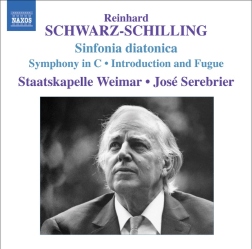
2

3:10
3
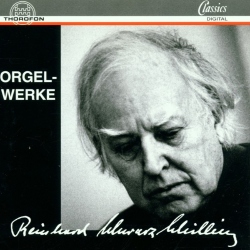
6:2
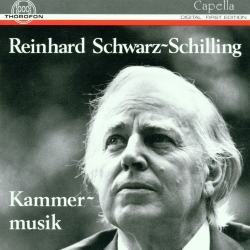
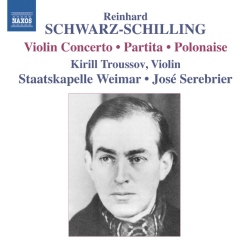
8
3:55
Copyright Ⓒ 2013 Davinci Finger. All rights reseved
Service Terms & Policy