


Vincenzo Galilei
Released Album
Chamber
-
 May 4, 2018
 -
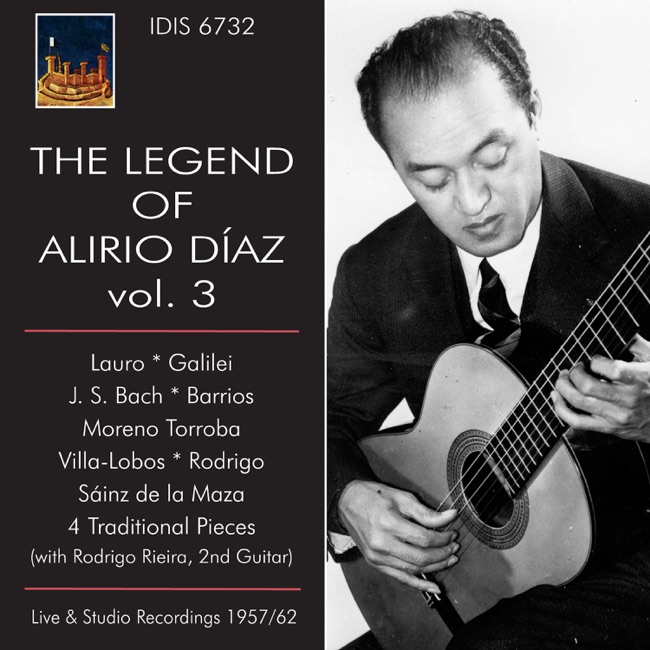 January 5, 2018
 -
 November 10, 2015
 -
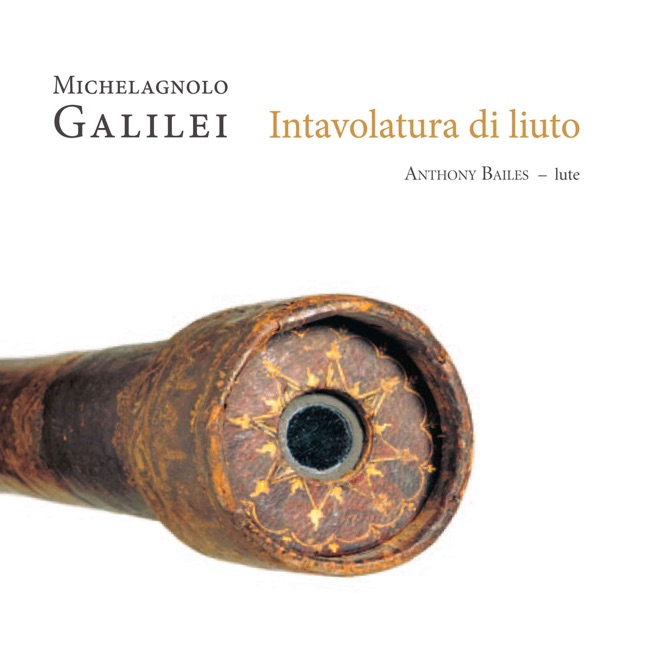 March 25, 2014
 -
 August 28, 2009
 -
 November 24, 2008
Miscellaneous
-
 July 12, 1994
Artist Info
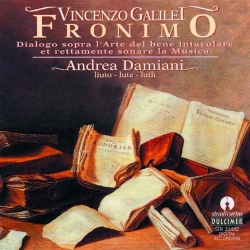
Role:ComposerCountry: ItalyBirth:1525 in Santa Maria a Monte, TuscanyDeath:July 2, 1591 in Florence, ItalyPeriod:RenaissanceGenre:ChamberVincenzo Galilei was a prominent Italian composer, lutenist, and music theorist of the late Renaissance period. He was born in Santa Maria a Monte, Tuscany, Italy, in 1520, and was the father of the famous astronomer and physicist Galileo Galilei. Galilei was born into a family of musicians, and his father was a lutenist and composer. He received his early musical training from his father and later studied with the renowned composer Gioseffo Zarlino in Venice. Galilei was a skilled lutenist and became known for his virtuosic performances on the instrument. In addition to his musical talents, Galilei was also a skilled mathematician and scientist. He was interested in the mathematical principles underlying music and was one of the pioneers of the new musical style known as monody, which emphasized the importance of the text and the expressive power of music. Galilei's most significant contribution to music theory was his treatise, "Dialogo della musica antica et della moderna" (Dialogue on Ancient and Modern Music), published in 1581. In this work, Galilei argued that the music of the ancient Greeks was based on a system of tuning that was different from the system used in his time. He also criticized the complex polyphonic music of the Renaissance, arguing that it was too artificial and lacked emotional expression. Galilei's ideas were controversial, and he was criticized by many of his contemporaries. However, his work had a significant influence on the development of music in the Baroque period, and his ideas about the importance of the text and the expressive power of music were embraced by composers such as Claudio Monteverdi. Galilei was also a prolific composer, and his works include madrigals, canzonettas, and instrumental music. His madrigals are notable for their expressive power and use of chromaticism, and his instrumental music is characterized by its virtuosity and use of complex polyphony. One of Galilei's most famous works is his "Fronimo" (1568), a treatise on lute playing that includes a collection of lute music. The "Fronimo" was one of the first printed collections of lute music and was highly influential in the development of lute playing in the Renaissance period. Galilei's other notable works include his "Intavolatura di liuto et di chitarrone" (1584), a collection of lute and chitarrone music, and his "Balletti, correnti et gagliarde" (1601), a collection of dance music. Galilei died in Florence in 1591, leaving behind a legacy as one of the most important music theorists and composers of the Renaissance period. His ideas about the importance of the text and the expressive power of music were embraced by composers in the Baroque period, and his works continue to be studied and performed today.More....





Recommend Playlist



Copyright Ⓒ 2013 Davinci Finger. All rights reseved
Service Terms & Policy