


Alexey Kurbatov
Released Album
Chamber
-
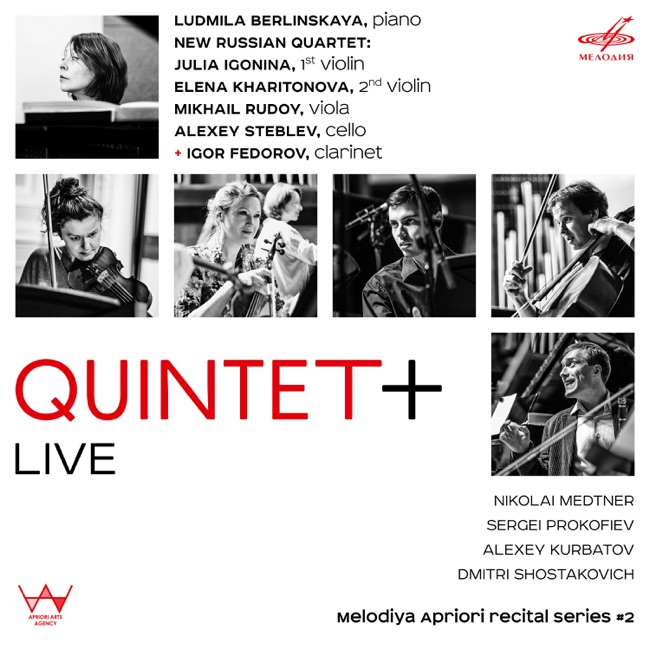 October 6, 2017
 -
Keyboard
-
 February 26, 2016
Artist Info
Role:ComposerBirth:1983Alexey Kurbatov was a Russian classical music composer born on December 28, 1976, in Moscow. He grew up in a family of musicians, with his father being a composer and his mother a pianist. From a young age, Kurbatov showed a keen interest in music and began studying piano and composition at the age of six. Kurbatov's early musical education was heavily influenced by the Russian classical music tradition. He studied at the Moscow State Tchaikovsky Conservatory, where he was mentored by renowned composers such as Yuri Kholopov and Nikolai Sidelnikov. During his time at the conservatory, Kurbatov developed a deep understanding of the technical aspects of music composition, as well as a strong appreciation for the emotional and expressive qualities of music. Kurbatov's early compositions were heavily influenced by the works of Russian composers such as Tchaikovsky, Rachmaninoff, and Shostakovich. His early works were characterized by their rich harmonies, complex rhythms, and emotional intensity. Kurbatov's early compositions were well-received by audiences and critics alike, and he quickly gained a reputation as one of the most promising young composers in Russia. In the early 2000s, Kurbatov began to experiment with new compositional techniques and styles. He began incorporating elements of jazz, rock, and electronic music into his compositions, creating a unique and eclectic sound that was both modern and timeless. Kurbatov's new style was characterized by its use of unconventional harmonies, complex rhythms, and innovative instrumentation. One of Kurbatov's most notable works from this period is his Symphony No. 1, which was premiered in 2005. The symphony is a bold and ambitious work that combines elements of classical, jazz, and rock music. The symphony is divided into four movements, each of which explores a different musical theme. The first movement is a lively and energetic piece that features a driving rhythm and complex harmonies. The second movement is a slow and contemplative piece that features a haunting melody and rich harmonies. The third movement is a fast and frenetic piece that features a complex rhythm and intricate instrumentation. The final movement is a triumphant and uplifting piece that features a soaring melody and powerful harmonies. Kurbatov's Symphony No. 1 was well-received by audiences and critics alike, and it established him as one of the most innovative and exciting composers of his generation. The symphony was performed by orchestras around the world, and it remains one of Kurbatov's most popular and enduring works. In the years that followed, Kurbatov continued to experiment with new compositional techniques and styles. He composed a wide range of works, including operas, ballets, chamber music, and film scores. Kurbatov's works were characterized by their emotional intensity, technical virtuosity, and innovative use of instrumentation. One of Kurbatov's most notable works from this period is his opera, The Master and Margarita, which was premiered in 2011. The opera is based on the novel of the same name by Russian author Mikhail Bulgakov. The opera is a complex and multi-layered work that explores themes of love, power, and redemption. The opera features a wide range of musical styles, including classical, jazz, and rock music. The opera was well-received by audiences and critics alike, and it established Kurbatov as one of the most important opera composers of his generation.More....
Recent Artist Music
1

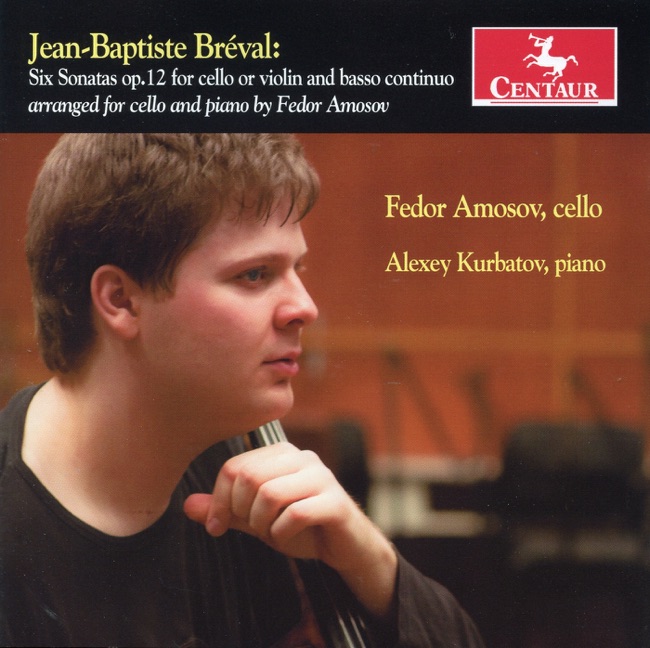
Sonatas (6), for cello or violin & continuo, Op. 12
Sonata No. 1 for cello or violin and basso continuo. 1. Allegro
4:10
Copyright Ⓒ 2013 Davinci Finger. All rights reseved
Service Terms & Policy