


Jean-Baptiste Bréval
Released Album
Chamber
-
 June 1, 2022
 -
-
 August 27, 2018
 -
-
-
 2009
2009
Concerto
-
 December 1, 1995
 -
Artist Info
Role:ComposerCountry: FranceBirth:November 6, 1753Death:March 18, 1823Period:ClassicalGenre:ChamberConcertoJean-Baptiste Bréval was a French cellist and composer who lived from 1753 to 1823. He was born in Paris, France, and showed an early interest in music. His father was a cellist, and he began studying the instrument with him at a young age. Bréval quickly showed a talent for the cello, and by the age of 14, he was already performing in public. Bréval continued his studies with some of the most prominent cellists of his time, including Martin Berteau and Jean-Pierre Duport. He also studied composition with François-Joseph Gossec. By the time he was in his early 20s, Bréval was already an accomplished cellist and composer. In 1773, Bréval was appointed to the orchestra of the Paris Opera, where he played for many years. He also performed in other orchestras and chamber groups throughout Paris. In addition to his performing career, Bréval was also a prolific composer. He wrote music for the cello, as well as for other instruments and ensembles. One of Bréval's most famous works is his Sonata in C Major for Cello and Piano, Op. 40, No. 1. This piece is still widely performed today and is considered a staple of the cello repertoire. It is a beautiful and lyrical work that showcases the cello's expressive capabilities. Bréval also wrote a number of other works for the cello, including concertos, sonatas, and duets. His music is known for its elegance and charm, as well as its technical demands. Bréval was a master of the cello, and his compositions reflect his deep understanding of the instrument. In addition to his work as a composer and performer, Bréval was also a teacher. He taught cello at the Paris Conservatory, where he had a number of notable students, including Auguste Franchomme and Adrien-François Servais. Bréval's teaching had a significant impact on the development of the cello as a solo instrument, and his students went on to become some of the most prominent cellists of their time. Bréval's music was popular during his lifetime, and he was well-respected as a composer and performer. However, his reputation declined in the years following his death, and his music fell out of favor. It was not until the 20th century that Bréval's music began to be rediscovered and appreciated once again. Today, Bréval is recognized as an important figure in the development of the cello as a solo instrument. His music is still performed and recorded, and his influence can be heard in the works of later composers such as Beethoven and Schumann. Bréval's legacy as a composer, performer, and teacher continues to inspire musicians around the world.More....
Recent Artist Music
1
10:9
2
4:31
4
4:16
6

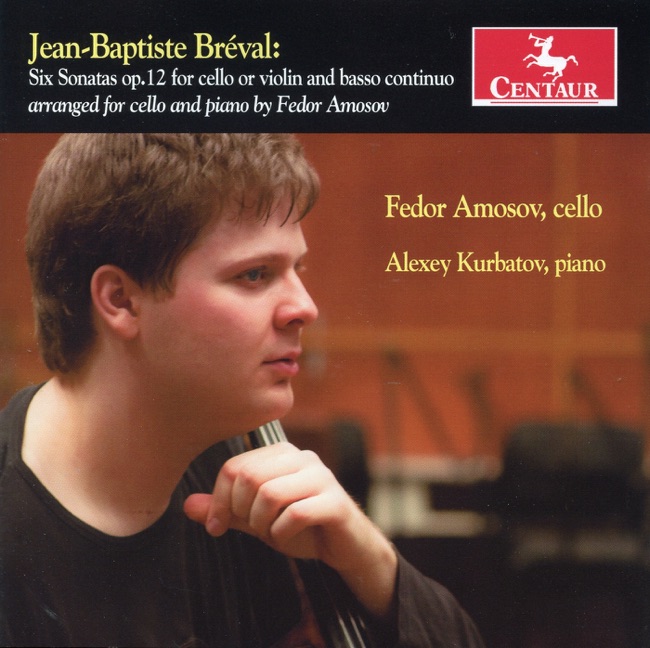
Sonatas (6), for cello or violin & continuo, Op. 12
Sonata No. 1 for cello or violin and basso continuo. 1. Allegro
4:10
7
5:11
9
21:2
13
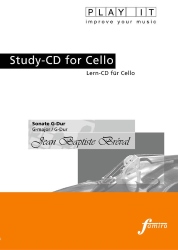
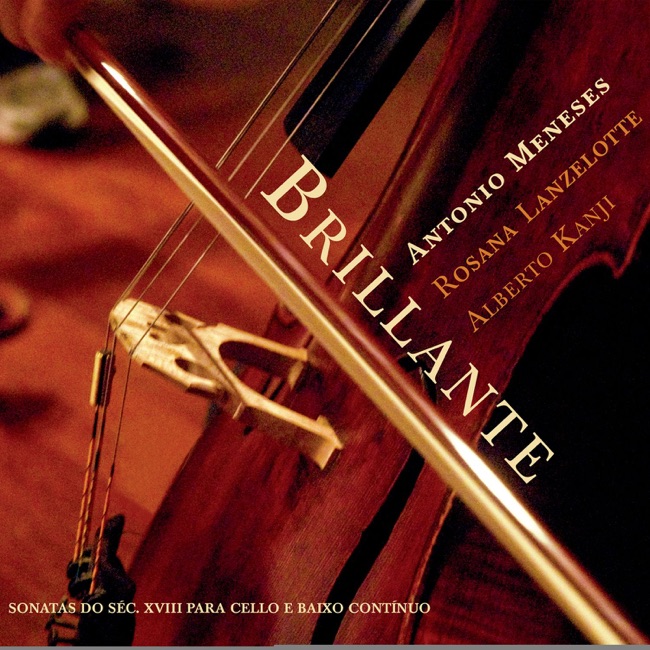
Sonata for cello & piano in G major Op. 12/5
I. Allegro brillante, Piano Accomp. - metronome: 1/4 = 108 - a' = 443 Hz
5:41
Copyright Ⓒ 2013 Davinci Finger. All rights reseved
Service Terms & Policy