


Nicola Porpora
Released Album
Opera
-
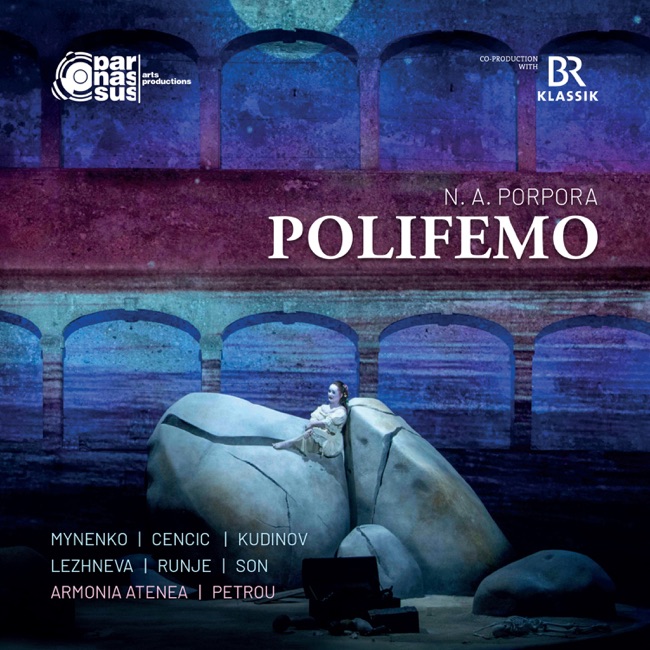 September 8, 2023
 -
-
-
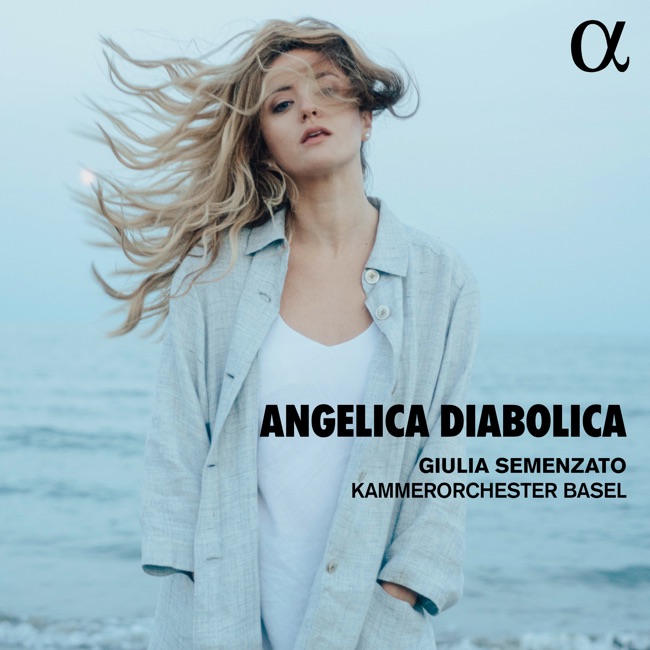 May 13, 2022
 -
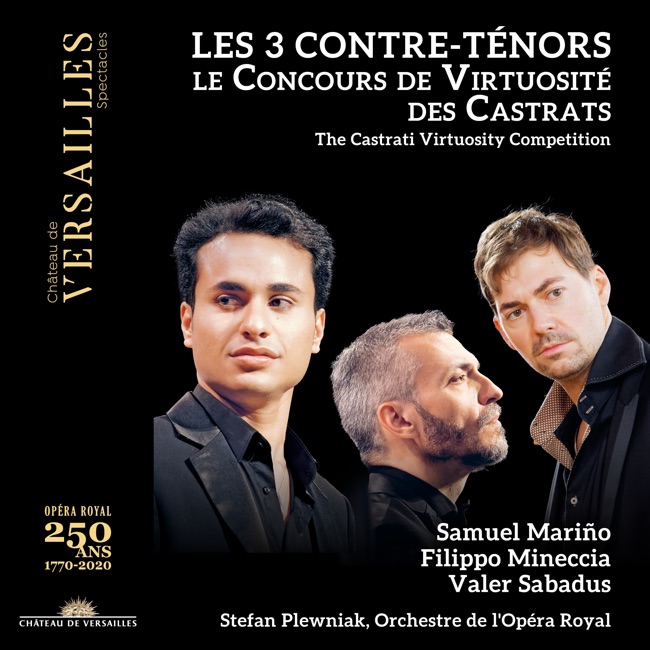 October 8, 2021
 -
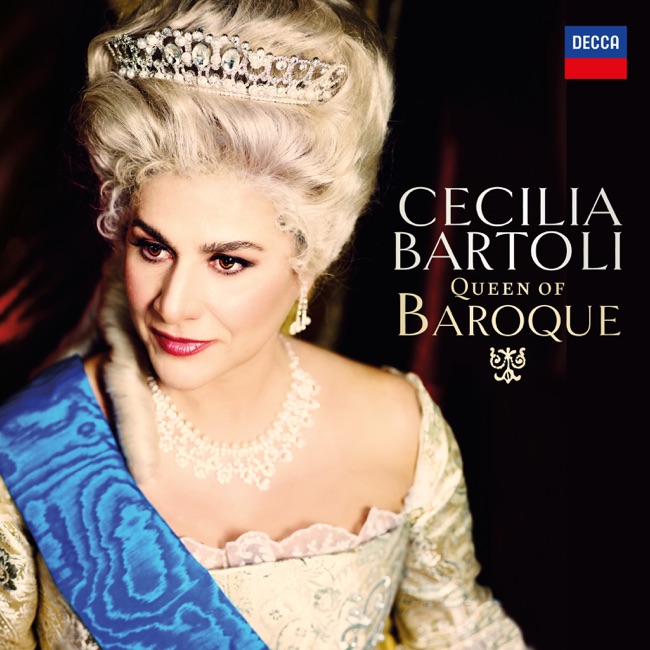 January 29, 2021
Vocal
-
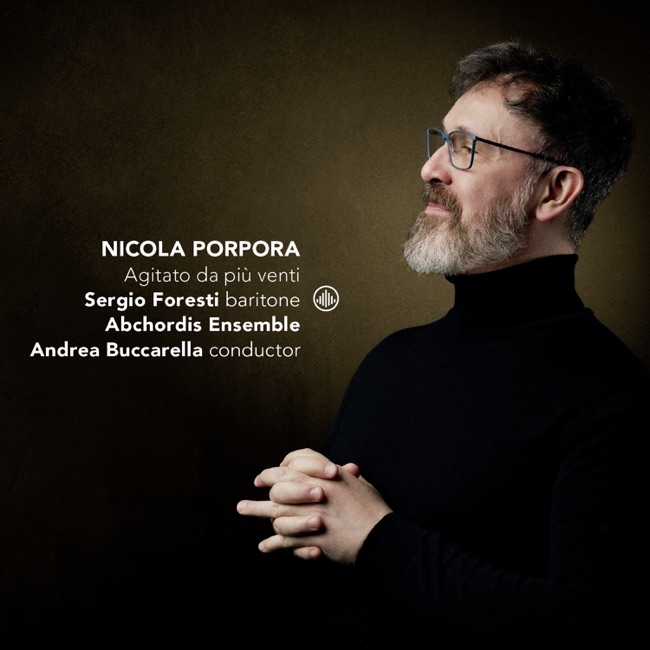 September 16, 2022
 -
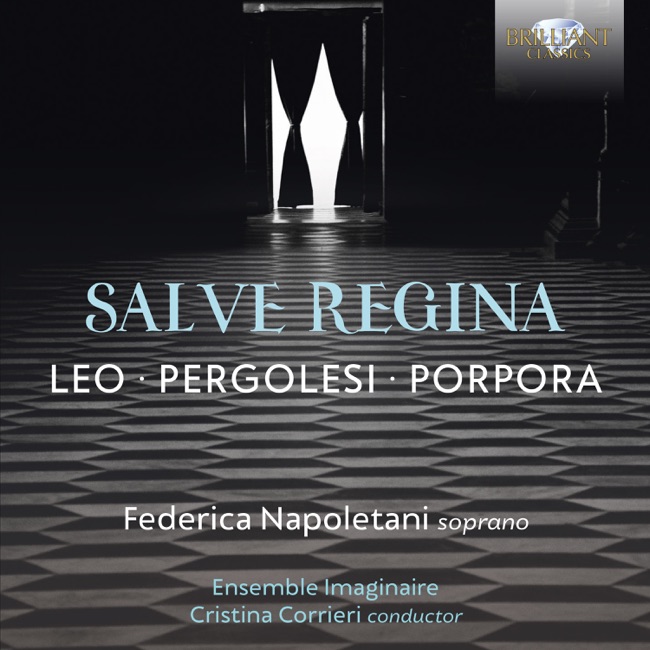 April 3, 2020
 -
 March 13, 2020
 -
-
 March 22, 2019
 -
 October 6, 2017
Chamber
-
 September 7, 2018
 -
 June 22, 2018
 -
 January 15, 2014
 -
 February 1, 2013
 -
 April 27, 2010
 -
Choral
-
-
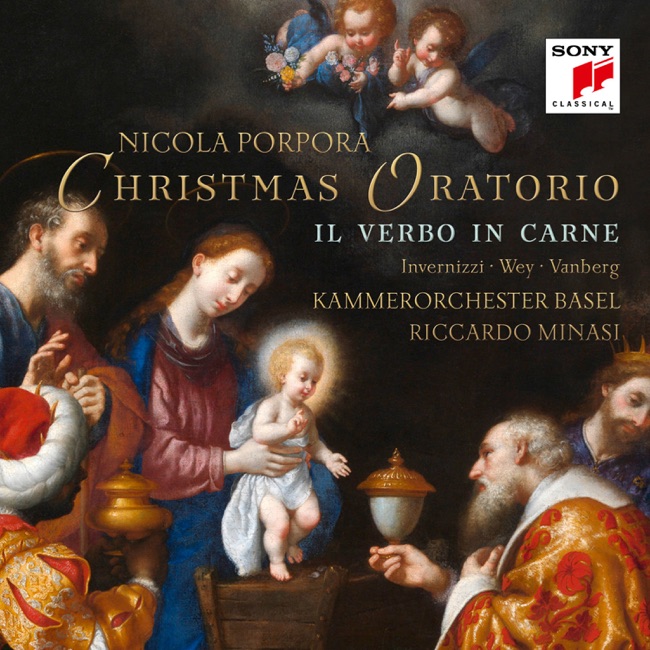 November 23, 2018
 -
 June 1, 2018
 -
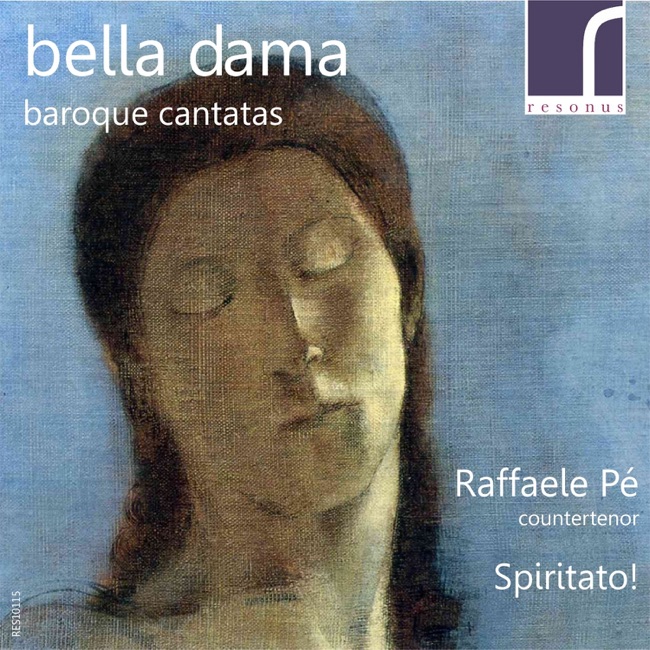 November 1, 2012
 -
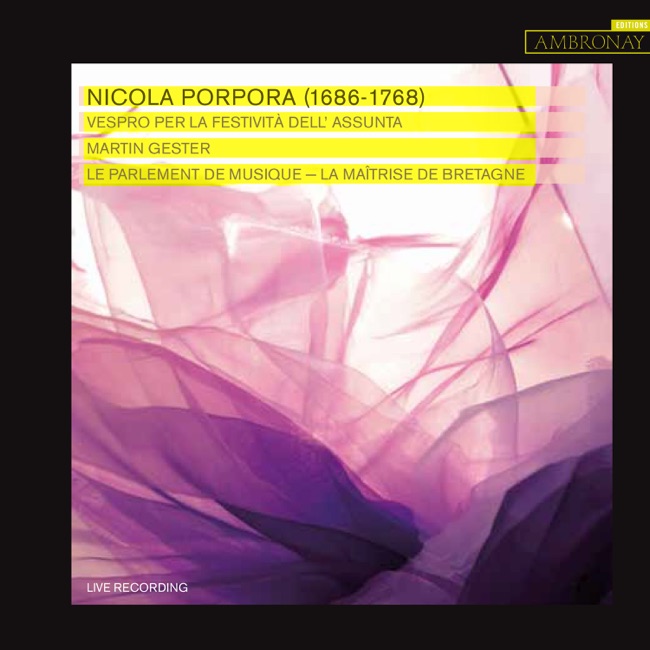 April 2, 2012
 -
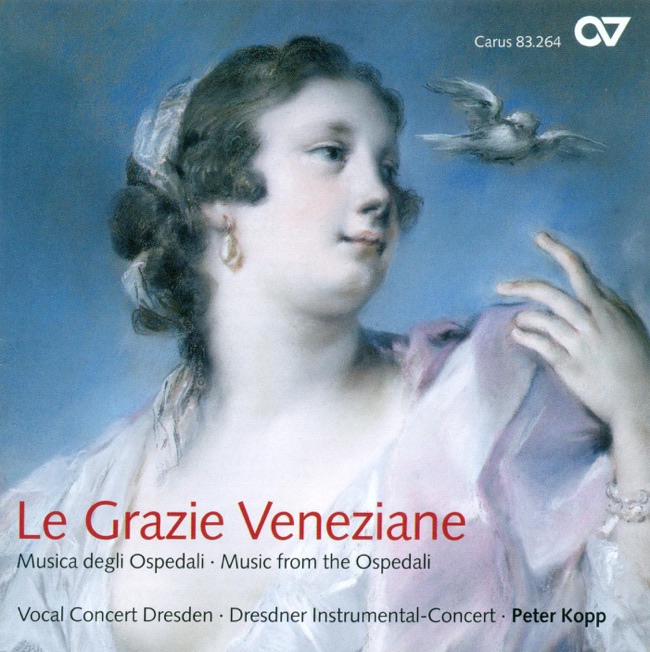 June 9, 2009
Artist Info
Role:ComposerCountry: ItalyBirth:August 17, 1686 in Naples, ItalyDeath:March 3, 1768 in Naples, ItalyPeriod:BaroqueGenre:ChamberChoralOperaNicola Porpora was a prominent Italian composer of the Baroque era, known for his operas, oratorios, and sacred music. He was born on August 17, 1686, in Naples, Italy, to a family of musicians. His father, Andrea Porpora, was a well-known violinist and composer, and his mother, Caterina Gallo, was a singer. Porpora showed an early interest in music and began studying with his father at a young age. He also received training in singing and composition from some of the leading musicians of his time, including Gaetano Greco and Francesco Provenzale. By the age of 16, he had already composed several works, including a set of cantatas and a mass. In 1708, Porpora moved to Rome, where he continued his studies and began to establish himself as a composer. He quickly gained a reputation for his vocal music, particularly his operas, which were performed in some of the leading theaters of the city. His first major success came in 1711 with the premiere of his opera Agrippina, which was well-received by audiences and critics alike. Over the next few years, Porpora continued to compose operas and other vocal works, including oratorios and cantatas. He also began to teach music, and his students included some of the most famous singers of the time, such as Farinelli and Caffarelli. In 1720, he was appointed as the maestro di cappella at the Conservatorio di Sant'Onofrio in Naples, where he remained for several years. During this time, Porpora continued to compose operas and other vocal works, many of which were performed in Naples and other cities throughout Italy. He also wrote a number of sacred works, including masses, motets, and hymns, which were often performed in churches and cathedrals. In 1733, Porpora moved to London, where he became a popular composer and teacher. He composed several operas for the King's Theatre, including Arianna in Nasso and Polifemo, which were both well-received by audiences. He also taught singing to some of the leading singers of the time, including the famous castrato Farinelli. Porpora remained in London for several years, but eventually returned to Italy, where he continued to compose and teach music. He spent his final years in Naples, where he died on March 3, 1768. Throughout his career, Porpora composed a wide variety of vocal works, including operas, oratorios, cantatas, and sacred music. His operas were particularly notable for their expressive melodies and dramatic intensity, and many of his arias became popular hits of the time. His sacred music was also highly regarded, and he was known for his skillful use of counterpoint and harmony. Some of Porpora's most famous works include the operas Agrippina, Arianna in Nasso, and Polifemo, as well as the oratorios La Passione di Gesù Cristo and Il Gedeone. He also composed a number of cantatas, including the popular cantata Nel cor più non mi sento, which has been recorded by numerous singers over the years. In addition to his compositions, Porpora was also known for his teaching, and he had a significant influence on the development of vocal technique during his time. His students included some of the most famous singers of the era, and his methods were widely respected and imitated. Today, Porpora is remembered as one of the leading composers of the Baroque era, and his works continue to be performed and recorded by musicians around the world.More....
Recent Artist Music
Recommend Playlist












Copyright Ⓒ 2013 Davinci Finger. All rights reseved
Service Terms & Policy