


Pierre-Louis-Phillippe Dietsch
Released Album
Opera
-
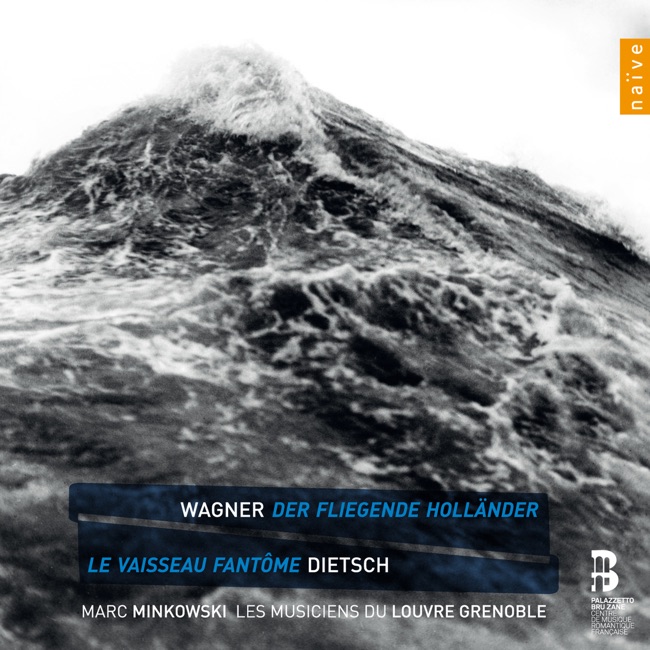 October 28, 2013
Choral
-
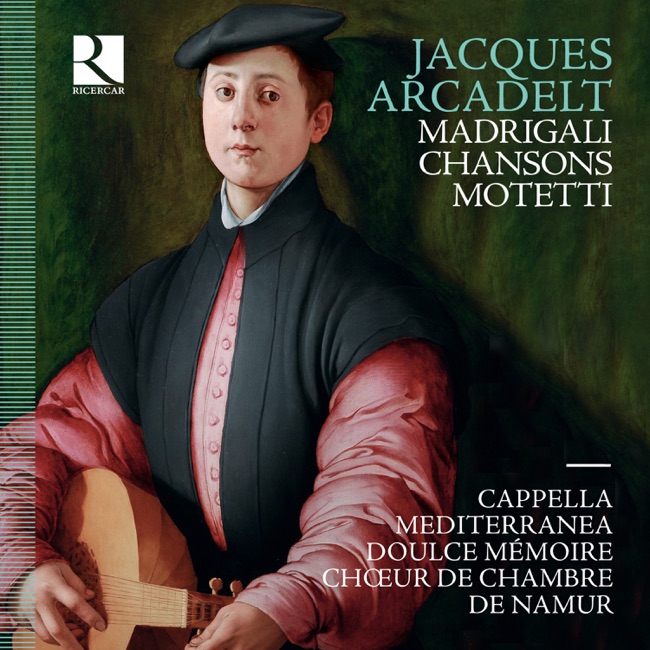 August 24, 2018
Artist Info
Role:ComposerBirth:March 17, 1808 in Dijon, FranceDeath:February 20, 1865 in Paris, FrancePeriod:RomanticPierre-Louis-Phillippe Dietsch was a French composer and conductor who lived from 1808 to 1865. He was born in Dijon, France, to a family of musicians. His father, Antoine Dietsch, was a violinist and conductor, and his mother, Marie-Jeanne Dietsch, was a singer. Pierre-Louis-Phillippe Dietsch showed an early interest in music and began studying the piano and violin at a young age. Dietsch's musical education continued at the Paris Conservatory, where he studied composition with Luigi Cherubini and Anton Reicha. He also studied the organ with François Benoist and won the Prix de Rome in 1830 for his cantata "David Rizzio." This prestigious award allowed him to spend several years in Italy, where he studied the works of the great Italian composers and developed his own style. Upon his return to France, Dietsch began a successful career as a conductor. He was appointed the conductor of the Théâtre-Italien in Paris in 1838 and held this position for several years. He also conducted at the Opéra-Comique and the Paris Opera, where he premiered several of his own works. Dietsch's compositions were influenced by the works of his contemporaries, including Hector Berlioz and Giuseppe Verdi. He wrote several operas, including "Le Vaisseau fantôme" (The Flying Dutchman), which was based on the same legend that inspired Richard Wagner's famous opera. He also wrote several oratorios, including "Le Déluge" (The Flood) and "La Tour de Babel" (The Tower of Babel), which were both well-received by audiences and critics. In addition to his operas and oratorios, Dietsch wrote several works for the church, including masses, motets, and hymns. He was a devout Catholic and his religious music reflects his deep faith. His "Messe solennelle" (Solemn Mass) is considered one of his finest works and is still performed today. Dietsch's music was known for its dramatic intensity and emotional depth. He was a master of orchestration and his works often featured complex harmonies and intricate counterpoint. His operas were particularly notable for their use of leitmotifs, or recurring musical themes, which would later become a hallmark of Wagner's operas. Despite his success as a composer and conductor, Dietsch's career was not without its challenges. He struggled with health problems throughout his life and was forced to take several extended breaks from his work. He also faced criticism from some quarters for his conservative musical style, which was seen as out of step with the more radical innovations of his contemporaries. Despite these challenges, Dietsch remained a respected figure in the French musical world until his death in 1865. His works continue to be performed and recorded today, and he is remembered as an important figure in the development of French classical music.More....
Recent Artist Music
Copyright Ⓒ 2013 Davinci Finger. All rights reseved
Service Terms & Policy