


Antonin Tucapsky
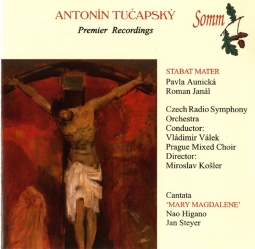
Released Album
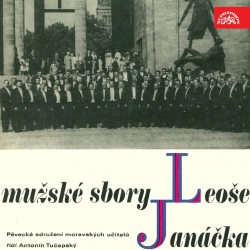
Choral
-
 May 29, 2020
 -
 July 17, 2007
 -
Concerto
-
 November 1, 2001
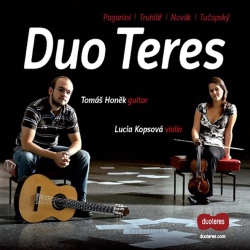
Chamber
-
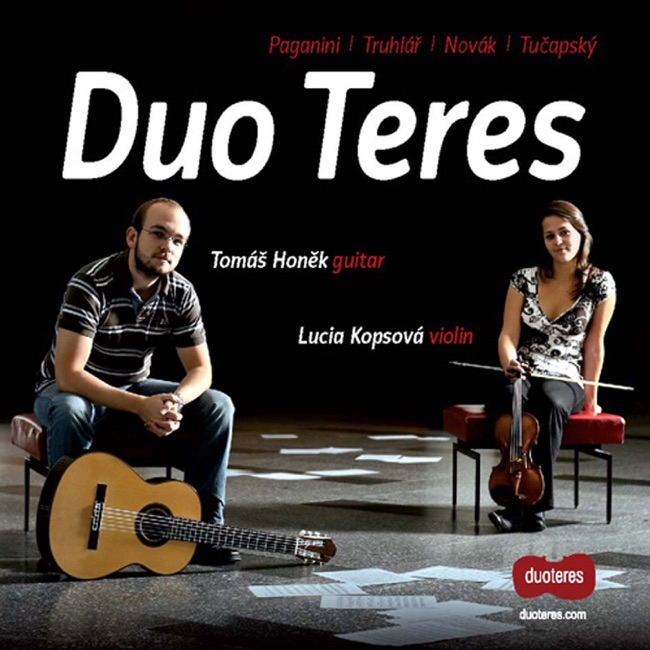 February 9, 2011
Artist Info
Role:Composer ConductorBirth:March 27, 1928 in CzechoslovakiaDeath:September 9, 2014Period:ContemporaryGenre:ConcertoAntonin Tucapsky was a Czech composer and pianist who was born on June 9, 1928, in Prague, Czechoslovakia. He was the son of a music teacher and grew up in a musical family. His father, Karel Tucapsky, was a composer and conductor, and his mother, Marie Tucapska, was a pianist. Antonin showed an early interest in music and began playing the piano at the age of six. Tucapsky studied at the Prague Conservatory, where he received a degree in piano performance in 1951. He continued his studies at the Academy of Performing Arts in Prague, where he studied composition with Emil Hlobil. Tucapsky's early compositions were influenced by the music of Czech composers such as Bedrich Smetana and Antonin Dvorak. In 1953, Tucapsky won first prize in a national competition for young composers, which led to the premiere of his Piano Concerto No. 1. The concerto was well-received and established Tucapsky as a promising young composer. He went on to compose several other works for piano and orchestra, including his Piano Concerto No. 2, which was premiered in 1960. Tucapsky's music is characterized by its lyricism, harmonic richness, and rhythmic vitality. He was particularly skilled at writing for the piano, and many of his works feature virtuosic piano parts. Tucapsky's music is also notable for its use of folk melodies and rhythms, which reflect his Czech heritage. In addition to his work as a composer, Tucapsky was also a respected pianist. He performed extensively throughout Europe and the United States, both as a soloist and as a chamber musician. Tucapsky was known for his sensitive and expressive playing, and he was particularly admired for his interpretations of the music of Czech composers. Tucapsky's most famous work is his Piano Sonata No. 2, which was composed in 1963. The sonata is a virtuosic tour-de-force that showcases Tucapsky's technical and expressive abilities as a composer and pianist. The work is in three movements, and each movement is characterized by its rhythmic vitality and harmonic richness. The sonata has become a staple of the piano repertoire and is frequently performed by pianists around the world. Another notable work by Tucapsky is his String Quartet No. 1, which was composed in 1957. The quartet is a lyrical and expressive work that reflects Tucapsky's love of Czech folk music. The work is in four movements, and each movement is characterized by its melodic beauty and harmonic richness. The quartet has become a favorite of chamber music ensembles and is frequently performed in concert halls around the world. Tucapsky's other works include several pieces for solo piano, including his Prelude and Fugue in C Major, which was composed in 1955. The piece is a virtuosic showpiece that showcases Tucapsky's technical abilities as a pianist and composer. Tucapsky also composed several works for orchestra, including his Symphony No. 1, which was premiered in 1965. Tucapsky continued to compose and perform throughout his life, and he remained an important figure in the Czech music scene until his death in 1994. His music continues to be performed and recorded by musicians around the world, and his legacy as a composer and pianist remains an important part of Czech musical history.More....
Recent Artist Music
1
2:46
6
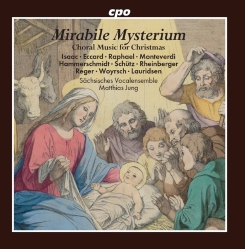
A Child Is Born in Bethlehem
A Child Is Born in Bethlehem für Baritonsolo und vierstimmigen gemischten Chor
1:50
Copyright Ⓒ 2013 Davinci Finger. All rights reseved
Service Terms & Policy