


Oswald Kabasta
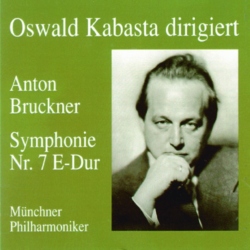
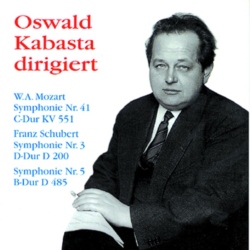
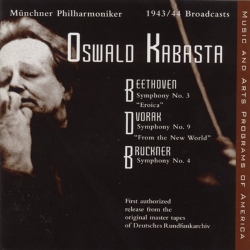
Released Album
Symphony
-
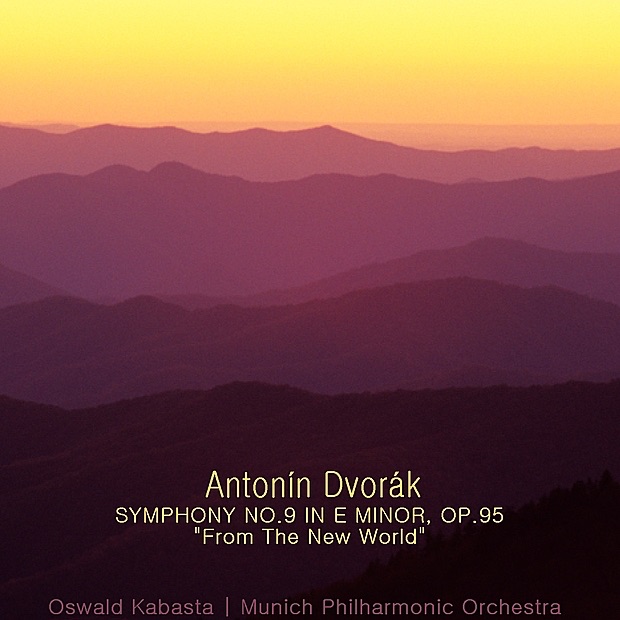
-
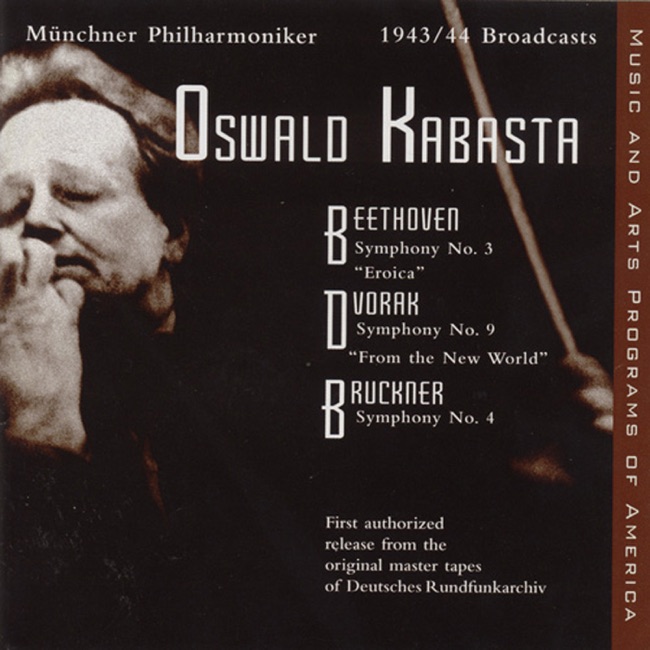 January 23, 2001
 -
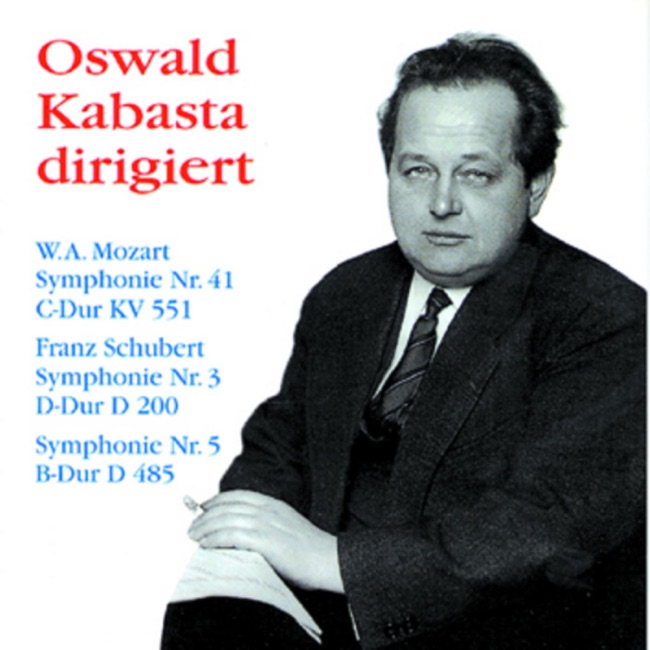
-
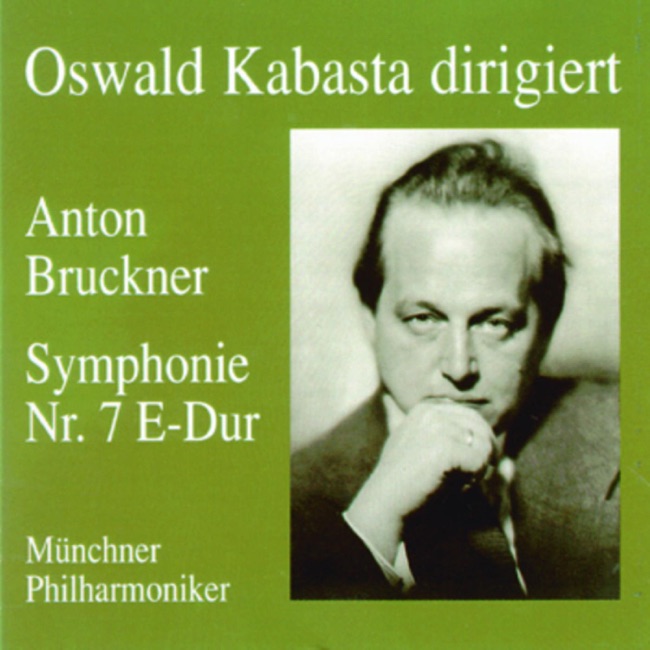 October 15, 1996
Artist Info
Role:Conductor PerformerPeriod:ClassicalRomanticGenre:SymphonyOswald Kabasta was a renowned Austrian conductor and composer who made significant contributions to the world of classical music during the 20th century. He was born on July 6, 1896, in Vienna, Austria, to a family of musicians. His father, Franz Kabasta, was a well-known violinist, and his mother, Marie Kabasta, was a pianist. From a young age, Oswald showed a keen interest in music and began his formal training in piano and violin at the age of six. Kabasta's musical education continued at the Vienna Conservatory, where he studied composition and conducting under the tutelage of Franz Schreker and Felix Weingartner. He graduated with honors in 1918 and began his career as a conductor in various theaters across Austria. In 1922, he was appointed as the conductor of the Vienna Volksoper, where he gained recognition for his innovative interpretations of operas and operettas. Kabasta's career took off in the 1930s when he was appointed as the principal conductor of the Vienna Symphony Orchestra. He quickly gained a reputation as a dynamic and passionate conductor, known for his ability to bring out the best in his musicians. He also became known for his interpretations of the works of Gustav Mahler, whose music he championed throughout his career. One of Kabasta's most significant achievements was his collaboration with the Vienna Philharmonic Orchestra. He conducted the orchestra in numerous concerts and recordings, including a critically acclaimed performance of Mahler's Symphony No. 9 in 1947. He also conducted the orchestra in the premiere of Alban Berg's opera, Lulu, in 1937. Kabasta's international career began in the 1940s when he was invited to conduct the Berlin Philharmonic Orchestra. He also conducted the London Philharmonic Orchestra, the New York Philharmonic Orchestra, and the Boston Symphony Orchestra, among others. He was particularly well-received in the United States, where he was praised for his interpretations of the works of Richard Strauss and Anton Bruckner. Kabasta's career was not without its challenges. He was a vocal opponent of the Nazi regime and was briefly imprisoned in 1938 for his political views. He also faced criticism from some quarters for his interpretations of Mahler's music, which were seen as too emotional and subjective. However, he remained committed to his artistic vision and continued to push the boundaries of classical music throughout his career. Kabasta's legacy as a conductor and composer is significant. He was known for his ability to bring out the emotional depth and complexity of the music he conducted, and his interpretations of Mahler's music in particular are still considered some of the best ever recorded. He was also a prolific composer, with works ranging from symphonies and concertos to chamber music and songs. Kabasta's contributions to classical music were recognized with numerous awards and honors throughout his career. He was awarded the Austrian Cross of Honor for Science and Art in 1952 and was made an honorary member of the Vienna Philharmonic Orchestra in 1956. He also received the Grand Decoration of Honor for Services to the Republic of Austria in 1966. Kabasta died on February 6, 1946, in Vienna, Austria, at the age of 49. His legacy as a conductor and composer continues to inspire musicians and music lovers around the world.More....
Recent Artist Music
2
8:8
Copyright Ⓒ 2013 Davinci Finger. All rights reseved
Service Terms & Policy