


Moses Pergament
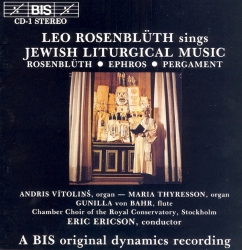
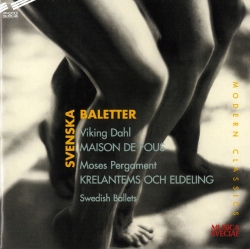
Released Album
Chamber
-
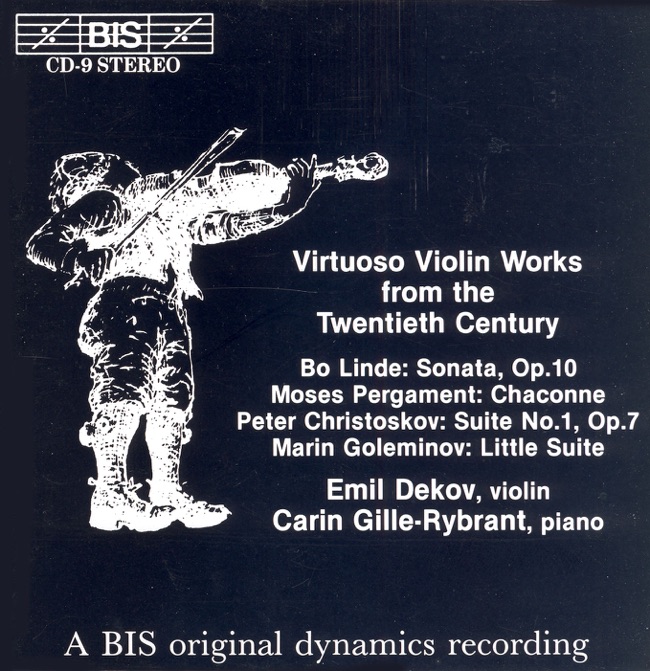 March 25, 1994
 -
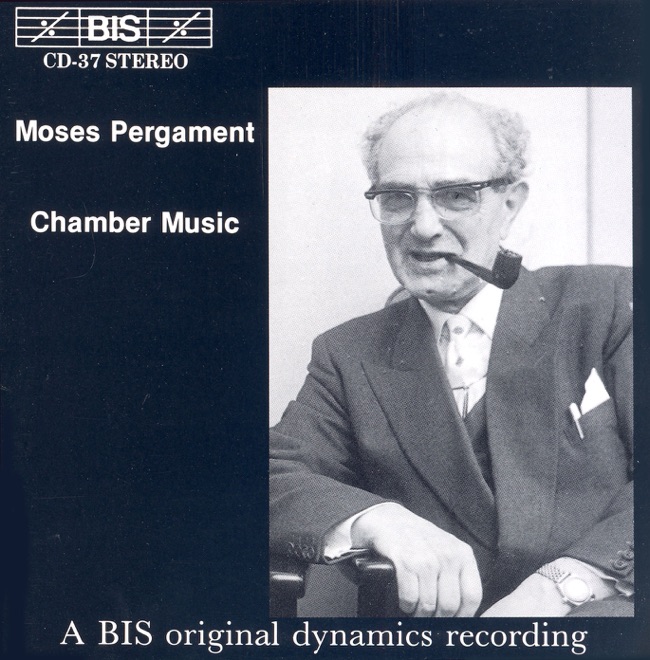 January 4, 1994
Choral
-
 March 25, 1994
Artist Info
Role:ComposerBirth:September 21, 1893Death:March 5, 1977Period:ModernGenre:ChamberConcertoMoses Pergament was a classical music composer born in 1893 in the city of Odessa, Ukraine. He was born into a family of musicians, with his father being a violinist and his mother a pianist. From a young age, Pergament showed a great interest in music and began studying the piano and violin at the age of six. Pergament's family moved to Moscow when he was ten years old, and he continued his musical education there. He studied composition with Sergei Taneyev, a prominent Russian composer and teacher, and also studied piano with Alexander Goldenweiser. Pergament showed great talent as a composer, and his early works were well-received by his teachers and peers. In 1914, Pergament graduated from the Moscow Conservatory with a degree in composition. He then began working as a music teacher and composer, and his works began to gain recognition in Russia and abroad. In 1920, Pergament moved to Berlin, where he continued to compose and teach music. Pergament's music was heavily influenced by the Romantic era, and he often incorporated folk melodies and themes into his compositions. His works were known for their emotional depth and expressive qualities, and he was praised for his ability to create powerful and moving musical narratives. One of Pergament's most famous works is his Symphony No. 1, which was composed in 1924. The symphony is a powerful and emotional work, with sweeping melodies and lush harmonies. It was well-received by audiences and critics alike, and helped establish Pergament as a major composer of his time. In addition to his symphonies, Pergament also composed a number of chamber works, including string quartets and piano trios. His chamber music was known for its intricate harmonies and complex textures, and was often performed by some of the leading chamber ensembles of the time. Pergament's music was also featured in a number of films, and he became known for his ability to create powerful and evocative film scores. His music was used in a number of silent films, and he continued to compose for films throughout his career. Despite his success as a composer, Pergament faced a number of challenges throughout his life. He was forced to flee Germany in 1933 due to the rise of the Nazi party, and he spent much of the rest of his life in exile. He lived in a number of different countries, including France, the United States, and Israel, and continued to compose and teach music throughout his life. Pergament's later works were often more experimental and avant-garde, and he continued to push the boundaries of classical music throughout his career. He was known for his use of unconventional harmonies and rhythms, and his music often incorporated elements of jazz and other popular music styles. Despite his many accomplishments, Pergament's music fell out of favor in the years following his death in 1977. However, in recent years, there has been a renewed interest in his music, and his works are once again being performed and recorded by some of the leading classical musicians of our time. Overall, Moses Pergament was a highly influential composer of the 20th century, whose music continues to inspire and move audiences today. His works are a testament to the power of music to express the deepest emotions and connect us to the world around us.More....



Copyright Ⓒ 2013 Davinci Finger. All rights reseved
Service Terms & Policy