


Hungarian String Quartet
Released Album
Chamber
Artist Info
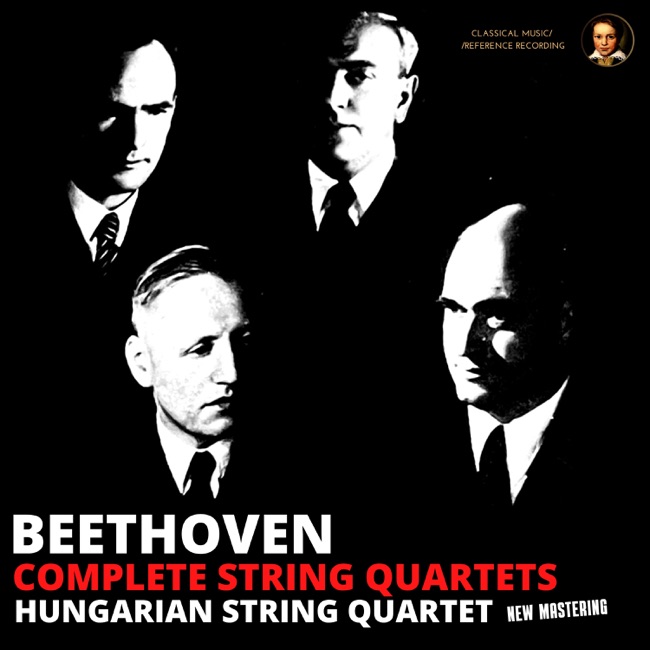
Role:EnsembleThe Hungarian String Quartet was a renowned classical music ensemble that was founded in 1935 in Budapest, Hungary. The quartet was known for its exceptional musicianship and its ability to interpret the works of the great composers of the classical and romantic periods. The founding members of the Hungarian String Quartet were violinists Zoltán Székely and Alexandre Moskowsky, violist Dénes Koromzay, and cellist János Scholz. All four musicians were accomplished performers in their own right, and they came together to form the quartet with the goal of exploring the rich tradition of chamber music. The quartet quickly gained a reputation for its technical precision and its ability to convey the emotional depth of the music it played. Its performances were marked by a sense of intimacy and collaboration, with each member of the quartet contributing to the overall sound and interpretation of the music. One of the highlights of the Hungarian String Quartet's early career was its performance of Béla Bartók's String Quartet No. 5 in 1936. Bartók himself was in attendance, and he was reportedly impressed by the quartet's interpretation of his work. The quartet went on to become one of the foremost interpreters of Bartók's music, and it played a key role in popularizing his work in the United States. During World War II, the members of the Hungarian String Quartet were forced to flee Hungary due to the Nazi occupation. They eventually settled in the United States, where they continued to perform and record music. In 1946, violist Koromzay left the quartet and was replaced by violist Mischa Schneider. In the years that followed, the Hungarian String Quartet continued to perform and record music, earning critical acclaim for its interpretations of the works of Mozart, Beethoven, Schubert, and other great composers. The quartet's performances were marked by a sense of unity and collaboration, with each member contributing to the overall sound and interpretation of the music. One of the highlights of the Hungarian String Quartet's career was its performance of Beethoven's complete string quartets at the Library of Congress in Washington, D.C. in 1952. The quartet's interpretation of these works was widely praised, and it helped to cement the quartet's reputation as one of the foremost interpreters of Beethoven's music. The Hungarian String Quartet also received numerous awards and honors throughout its career. In 1958, the quartet was awarded the Légion d'honneur by the French government in recognition of its contributions to the arts. The quartet also received a Grammy Award in 1962 for its recording of Bartók's String Quartets Nos. 2, 4, and 6. Despite its many accomplishments, the Hungarian String Quartet disbanded in 1972 after nearly four decades of performing and recording music. The quartet's legacy, however, lives on through its many recordings and the influence it had on subsequent generations of chamber musicians. In conclusion, the Hungarian String Quartet was a remarkable ensemble that made significant contributions to the world of classical music. Its members were exceptional musicians who brought a sense of intimacy and collaboration to their performances, and their interpretations of the works of the great composers continue to inspire and influence musicians today.More....
Recent Artist Music
1
5:16
2
5:16
3
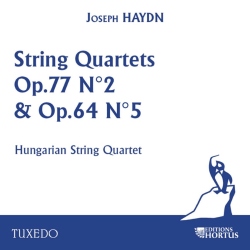
5:16
6
5:29
8
String Quartet (6), Op. 18
No. 2: II. Adagio cantabile - Allegro - Tempo I
Beethoven: Quartet No. 2 in G Major, Op. 18 No. 2: II. Adagio cantabile - Allegro - Tempo I - Single
6:7
15
String Quartet No. 12 in E flat major, Op. 127
II. Adagio, ma non troppo e molto cantabile
Beethoven: Quartet No. 12 in E-Flat Major, Op. 127: II. Adagio, ma non troppo e molto cantabile - EP
12:52
Copyright Ⓒ 2013 Davinci Finger. All rights reseved
Service Terms & Policy