


Gideon Klein
Released Album
Chamber
-
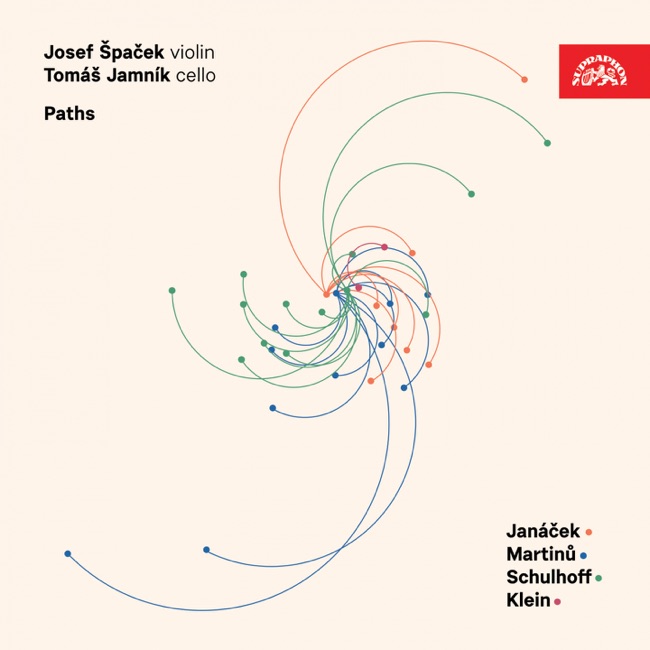 March 25, 2022
 -
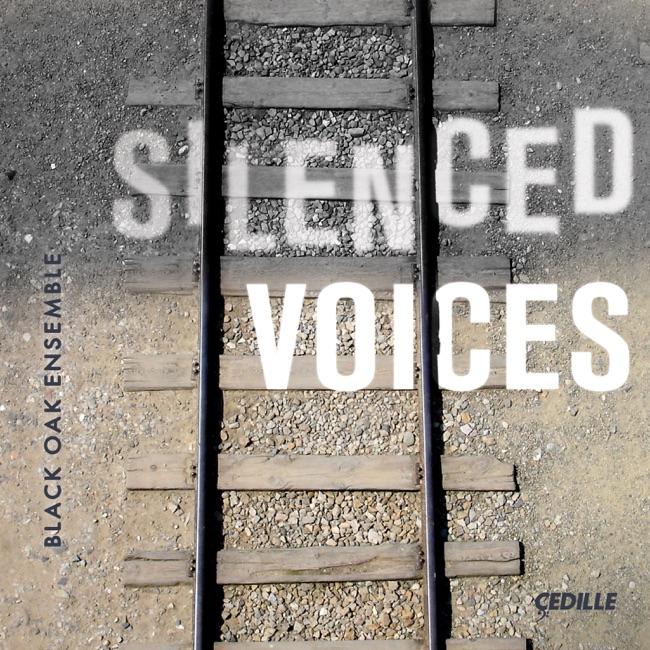 July 26, 2019
 -
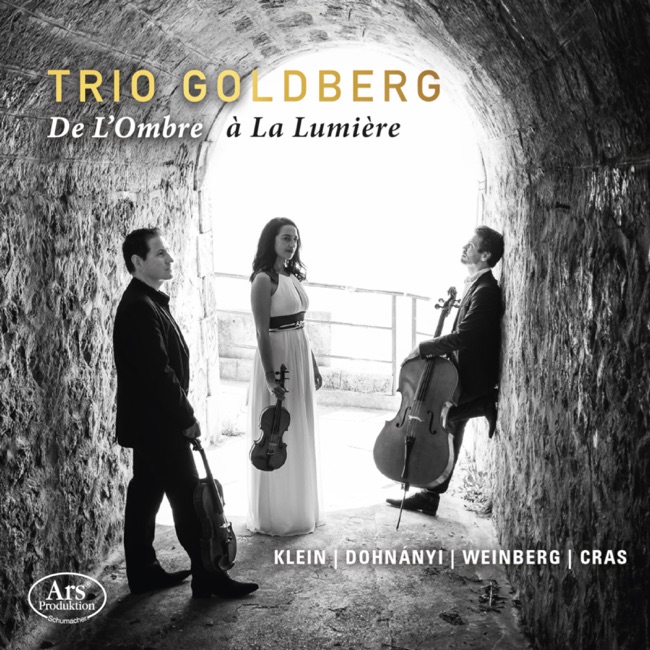 November 16, 2018
 -
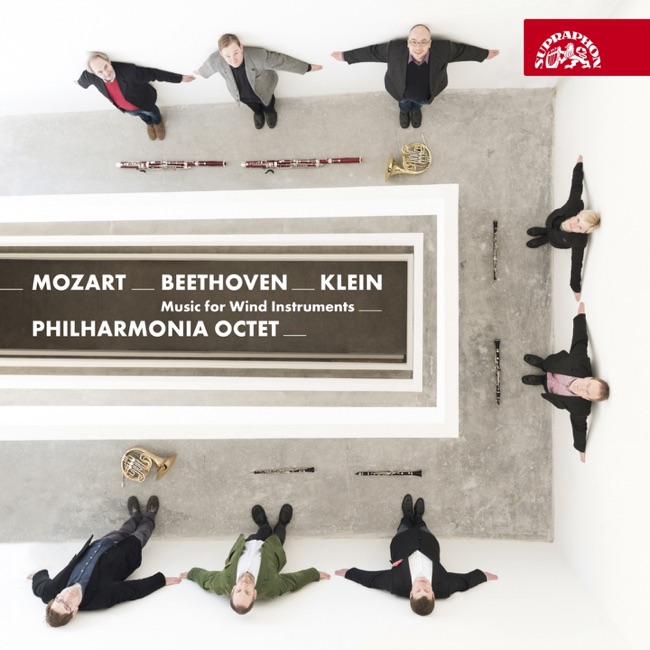 February 24, 2017
 -
 January 22, 2016
 -
 August 28, 2015
Keyboard
-
 May 15, 2020
 -
 August 1, 2007
 -
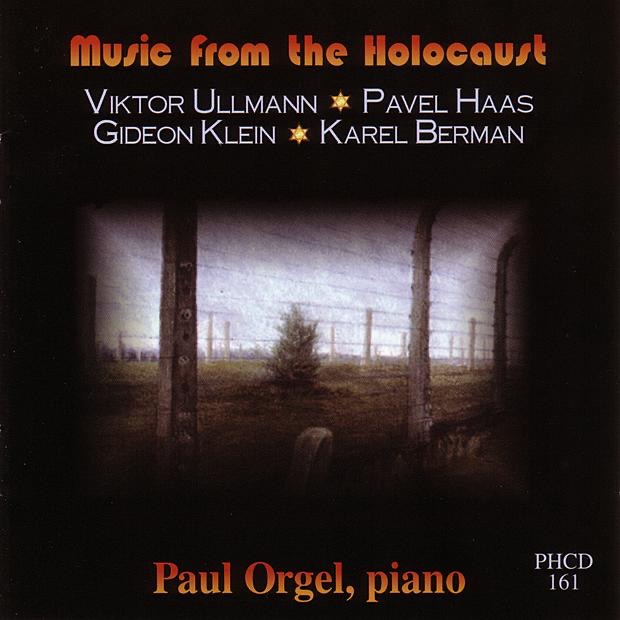 November 1, 2005
Artist Info
Role:ComposerBirth:1919Death:1945Period:ModernGenre:ChamberKeyboardGideon Klein was a Czech composer and pianist who was born on December 6, 1919, in Přerov, Moravia. He was the youngest of three children born to a Jewish family. His father was a lawyer, and his mother was a pianist. Klein showed an early interest in music and began playing the piano at the age of six. He received his first formal music education at the Brno Conservatory, where he studied piano and composition. In 1938, Klein was accepted into the Prague Conservatory, where he studied composition with Alois Hába and piano with František Maxián. However, his studies were interrupted by the Nazi occupation of Czechoslovakia in 1939. Klein was forced to leave the conservatory and was later sent to the Terezín concentration camp in 1941. Despite the harsh conditions of the camp, Klein continued to compose music. He wrote several works for the camp's cultural activities, including a piano sonata, a string trio, and a string quartet. These works were performed by fellow prisoners, and some were even smuggled out of the camp. In 1944, Klein was transported to Auschwitz, where he was forced to work in a coal mine. He continued to compose music in secret, but most of his works from this period have been lost. Klein was later transferred to the Flossenbürg concentration camp, where he died of typhus on January 27, 1945, just a few days before the camp was liberated by Allied forces. Despite his short life and tragic death, Klein left behind a significant body of work that has been recognized for its originality and emotional depth. His music is characterized by its use of folk melodies and rhythms, as well as its incorporation of elements of jazz and other popular music styles. One of Klein's most famous works is his String Trio, which he composed while he was a prisoner at Terezín. The piece is notable for its use of Czech folk melodies and its hauntingly beautiful melodies. The trio was first performed in the camp in 1944 and has since become one of Klein's most frequently performed works. Another notable work by Klein is his Piano Sonata, which he composed in 1943 while he was still a student at the Prague Conservatory. The sonata is a powerful and emotional work that reflects the turmoil of the times in which it was written. It has been described as a "testament to the human spirit" and is considered one of Klein's most important works. Klein's music has been performed and recorded by many prominent musicians and ensembles, including the Jerusalem Quartet, the Pavel Haas Quartet, and the Nash Ensemble. His works have also been featured in numerous concerts and festivals around the world, including the Terezín Music Festival, which is held annually in the Czech Republic to commemorate the music created in the concentration camp. In addition to his musical legacy, Klein is also remembered for his bravery and resilience in the face of unimaginable adversity. Despite the horrors of the concentration camps, he continued to create music that spoke to the human experience and offered hope in the darkest of times. His life and work serve as a powerful reminder of the enduring power of art and the human spirit.More....
Recent Artist Music


Copyright Ⓒ 2013 Davinci Finger. All rights reseved
Service Terms & Policy