


Daan Manneke
Released Album
Choral
-
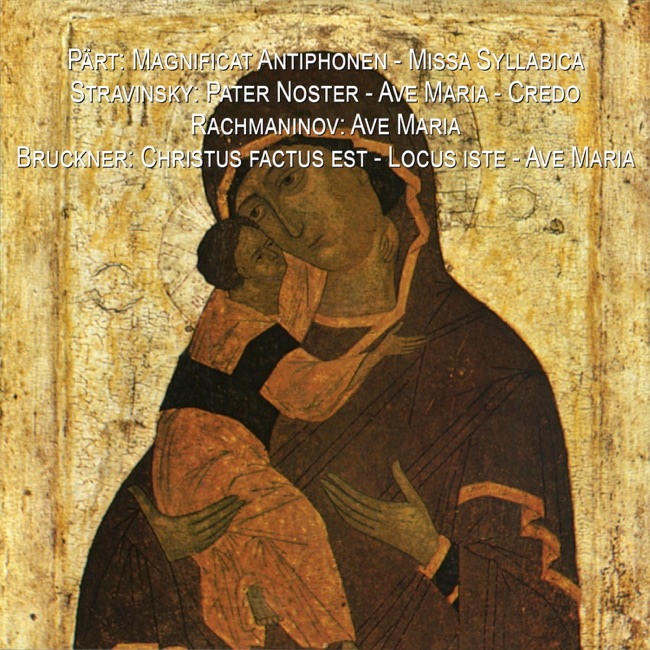 August 10, 2016
 -
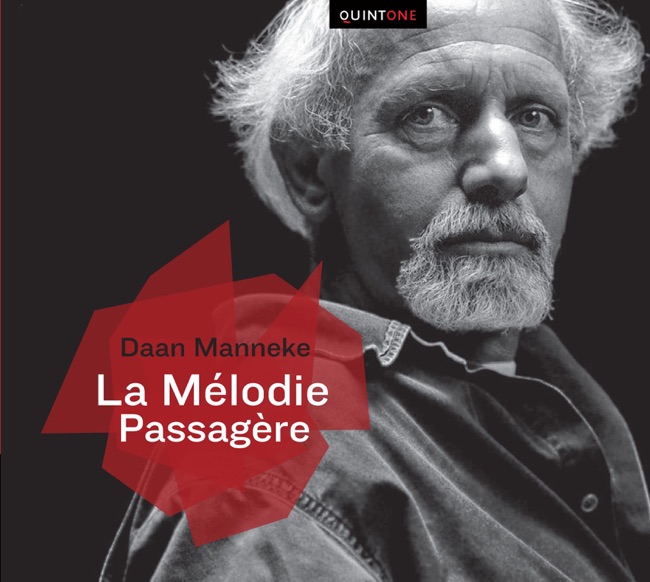 January 2, 2012
 -
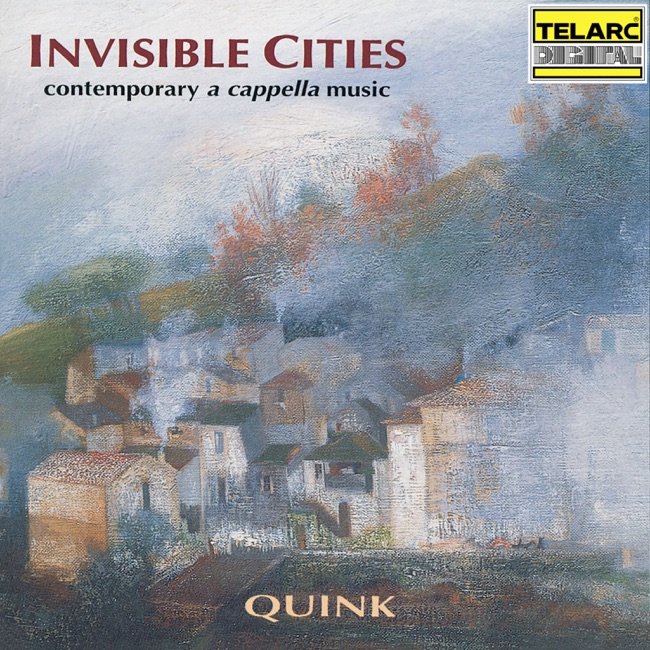 February 27, 1996
Chamber
-
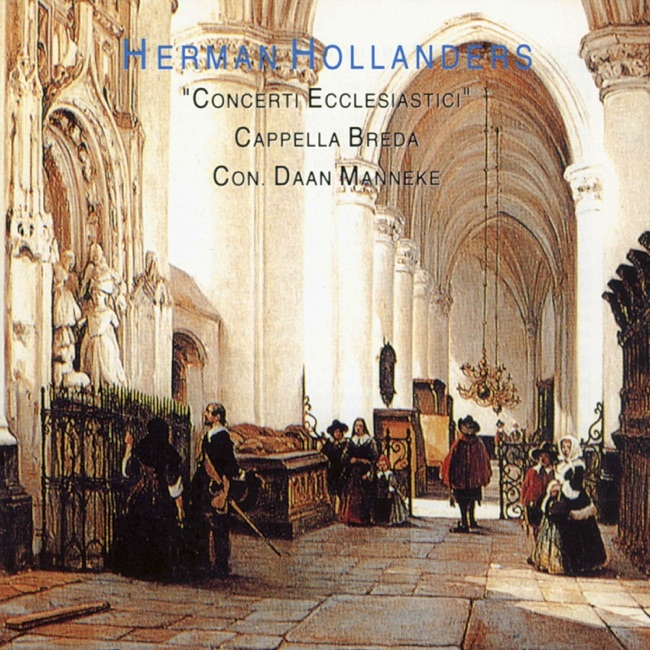 August 10, 2016
 -
 March 27, 2007
Artist Info
Role:Composer ConductorCountry: NetherlandsBirth:February 16, 1939 in KruiningenPeriod:ContemporaryGenre:Avant-GardeChamberChoralVocalDaan Manneke is a Dutch composer of classical music, born on November 7, 1939, in Kruiningen, a small village in the province of Zeeland, the Netherlands. He grew up in a musical family, with his father being a church organist and his mother a singer. Manneke started playing the piano at a young age and later learned to play the organ. He studied music at the Brabant Conservatory in Tilburg and later at the Amsterdam Conservatory, where he studied composition with Ton de Leeuw. Manneke's music is characterized by its spiritual and mystical qualities, often drawing inspiration from religious texts and themes. He has been influenced by the music of Olivier Messiaen, György Ligeti, and the Dutch composer Ton de Leeuw, among others. Manneke's music is also known for its use of microtonality, which involves the use of intervals smaller than the traditional half-step. Manneke's early works include pieces for choir and organ, such as "Cantiones Sacrae" (1967) and "Cantiones Mysticae" (1970). These works demonstrate Manneke's interest in religious themes and his use of microtonality. In the 1970s, Manneke began to experiment with electronic music, creating works such as "Klankfiguren" (1972) and "Klankbeelden" (1974). These works incorporate electronic sounds and manipulated recordings of acoustic instruments. In the 1980s, Manneke returned to composing for acoustic instruments, creating works such as "Tombeau pour Ton de Leeuw" (1987) and "Harmonia Caelestis" (1989). These works demonstrate Manneke's interest in the Baroque and Renaissance periods, as well as his use of microtonality and complex rhythms. Manneke's most famous work is "Kondakion" (1993), a piece for choir and organ that has been performed around the world. The piece is based on a text from the Orthodox liturgy and features Manneke's signature use of microtonality and complex rhythms. "Kondakion" has been described as a "sonic icon" and a "spiritual experience" by critics and audiences alike. In addition to his work as a composer, Manneke has also been a teacher and mentor to many young composers. He has taught at the Amsterdam Conservatory and the Tilburg Conservatory, and has been a guest lecturer at universities and music schools around the world. Manneke has also been recognized for his contributions to Dutch music, receiving the Johan Wagenaar Prize in 1997 and the Order of the Netherlands Lion in 2002. Manneke continues to compose and perform his music, and his works are regularly performed by choirs, orchestras, and ensembles around the world. His music has been described as "timeless" and "transcendent," and his unique style has influenced many composers who have followed in his footsteps.More....

Copyright Ⓒ 2013 Davinci Finger. All rights reseved
Service Terms & Policy