


Haseo Sugiyama
Released Album
Vocal
-
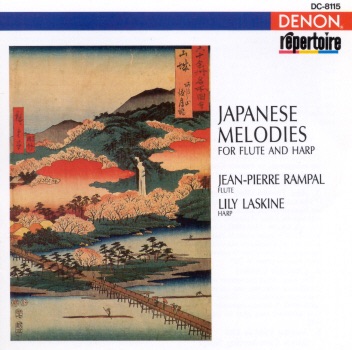 August 2, 1994
 -
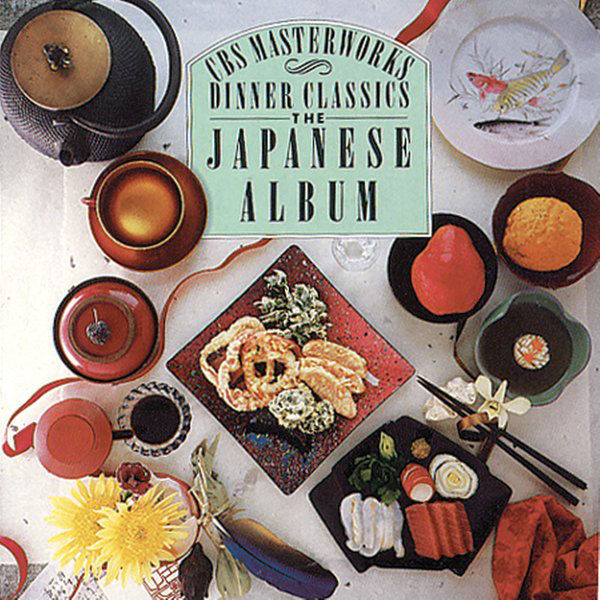 July 11, 1989
Artist Info
Role:ComposerBirth:1889Death:1952Genre:VocalHaseo Sugiyama was a Japanese composer who was born on December 1, 1909, in Tokyo, Japan. He was the youngest of four children and grew up in a family that was passionate about music. His father was a music teacher, and his mother was a pianist. Sugiyama's siblings were also musically inclined, and they all played various instruments. Sugiyama began his musical education at a young age, studying piano and composition with his mother. He later studied at the Tokyo Music School, where he learned from some of the most prominent composers of the time, including Akira Ifukube and Tomojiro Ikenouchi. Sugiyama was a gifted student, and he quickly became known for his talent as a composer. In 1932, Sugiyama graduated from the Tokyo Music School and began his career as a composer. He quickly gained recognition for his work, and his compositions were performed by some of the most prestigious orchestras in Japan. Sugiyama's music was known for its unique blend of traditional Japanese music and Western classical music. One of Sugiyama's most famous works is his Symphony No. 1, which he composed in 1935. The symphony is a powerful and emotional work that reflects Sugiyama's love for both Japanese and Western music. The piece was well-received by audiences and critics alike, and it helped establish Sugiyama as one of Japan's most promising young composers. Sugiyama continued to compose throughout the 1930s and 1940s, despite the difficult political climate in Japan at the time. He was drafted into the Japanese army during World War II, but he was able to continue composing while serving in the military. Sugiyama's music during this time reflected the turmoil and uncertainty of the war years, and it was often dark and brooding. After the war, Sugiyama continued to compose and became increasingly interested in incorporating traditional Japanese music into his work. He studied traditional Japanese instruments and began to incorporate them into his compositions. Sugiyama's music during this period was characterized by its unique blend of Western classical music and traditional Japanese music. One of Sugiyama's most famous works from this period is his Symphony No. 2, which he composed in 1951. The symphony is a beautiful and haunting work that reflects Sugiyama's love for both Japanese and Western music. The piece was well-received by audiences and critics alike, and it helped establish Sugiyama as one of Japan's most important composers. Sugiyama continued to compose throughout the 1950s and 1960s, and his music continued to evolve. He became increasingly interested in electronic music and began to experiment with new sounds and techniques. Sugiyama's music during this period was characterized by its innovative use of electronic instruments and its incorporation of traditional Japanese music. One of Sugiyama's most famous works from this period is his Symphony No. 3, which he composed in 1965. The symphony is a groundbreaking work that incorporates electronic instruments and traditional Japanese music. The piece was well-received by audiences and critics alike, and it helped establish Sugiyama as one of the most innovative composers of his time. Sugiyama continued to compose until his death in 1999. His music has had a lasting impact on the world of classical music, and he is remembered as one of Japan's most important composers.More....
Recent Artist Music
Copyright Ⓒ 2013 Davinci Finger. All rights reseved
Service Terms & Policy