


Margo Kolar
Released Album
Vocal
-
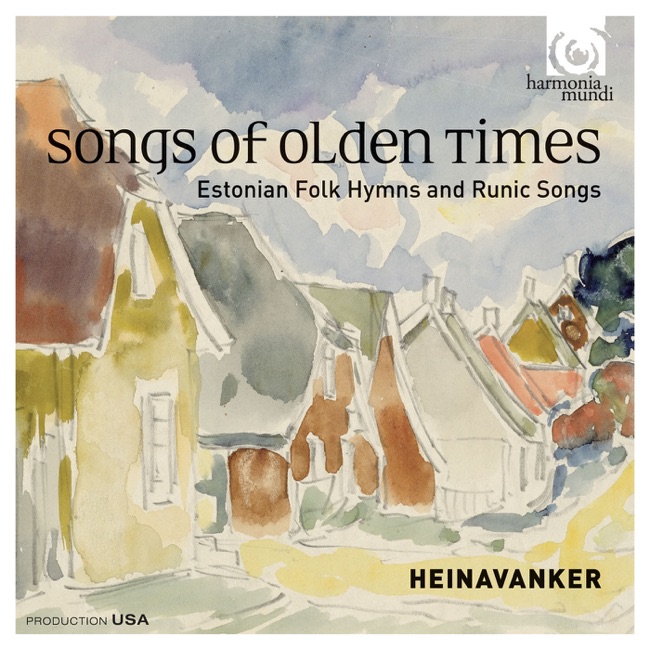 September 30, 2013
Choral
-
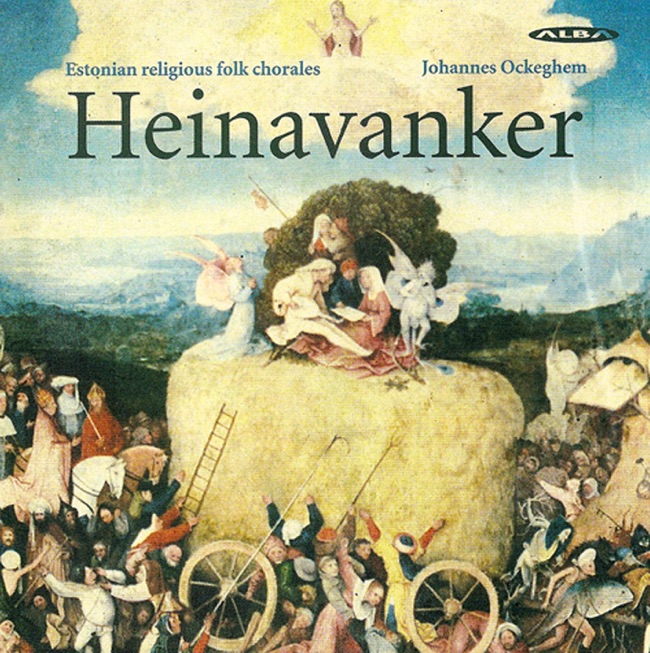 December 11, 2007
Artist Info
Role:Composer ConductorMargo Kolar was a renowned classical music composer who was born on May 12, 1925, in Vienna, Austria. She was the daughter of a prominent musician, and her father's love for music inspired her to pursue a career in the field. Kolar's early years were spent in Vienna, where she received her initial training in music. Kolar's musical talent was evident from a young age, and she quickly became a skilled pianist. She began composing music at the age of 12 and continued to hone her skills throughout her teenage years. Kolar's early compositions were heavily influenced by the works of Mozart, Beethoven, and Bach, and she often incorporated elements of their music into her own compositions. In 1943, Kolar's family was forced to flee Vienna due to the Nazi occupation. They settled in Switzerland, where Kolar continued her musical studies. She attended the Zurich Conservatory, where she studied composition under the tutelage of the renowned composer, Paul Hindemith. Kolar's time at the conservatory was a formative period in her career, and she developed a unique style that blended traditional classical music with modernist elements. After completing her studies, Kolar moved to Paris, where she began to establish herself as a composer. She quickly gained a reputation for her innovative compositions, which were characterized by their complex harmonies and intricate rhythms. Kolar's music was often described as challenging, but it was also deeply emotional and expressive. Kolar's breakthrough came in 1952 when her composition, "Concerto for Piano and Orchestra," was premiered in Paris. The piece was an instant success, and it established Kolar as one of the most promising young composers of her generation. The concerto was praised for its technical virtuosity and its emotional depth, and it remains one of Kolar's most celebrated works. Over the next few years, Kolar continued to compose music at a prolific rate. She wrote a series of chamber works, including string quartets and sonatas, which were widely performed throughout Europe. Kolar's music was also gaining recognition in the United States, where it was performed by some of the country's leading orchestras. In 1960, Kolar was awarded the prestigious Prix de Rome, which provided her with a year-long residency at the Villa Medici in Rome. The residency was a transformative experience for Kolar, and it allowed her to immerse herself in the rich cultural heritage of Italy. During her time in Rome, Kolar composed a series of works that were inspired by the city's architecture and art. Kolar's later works were characterized by a more experimental approach to composition. She began to incorporate electronic music into her compositions, and she experimented with new forms of notation and improvisation. Kolar's music continued to evolve throughout her career, and she remained at the forefront of the contemporary classical music scene until her death in 1997. Some of Kolar's most notable works include "Concerto for Piano and Orchestra," "String Quartet No. 1," "Sonata for Violin and Piano," and "Symphony No. 3." Kolar's music is known for its technical virtuosity, its emotional depth, and its innovative approach to composition. Her works have been performed by some of the world's leading orchestras and chamber ensembles, and they continue to be celebrated for their enduring beauty and power.More....
Recent Artist Music
Copyright Ⓒ 2013 Davinci Finger. All rights reseved
Service Terms & Policy