


Cristobal Halffter
Released Album
Chamber
-
 November 10, 2017
 -
-
 March 31, 2015
 -
 November 18, 2014
 -
 June 3, 2008
 -
 October 26, 2006
Orchestral
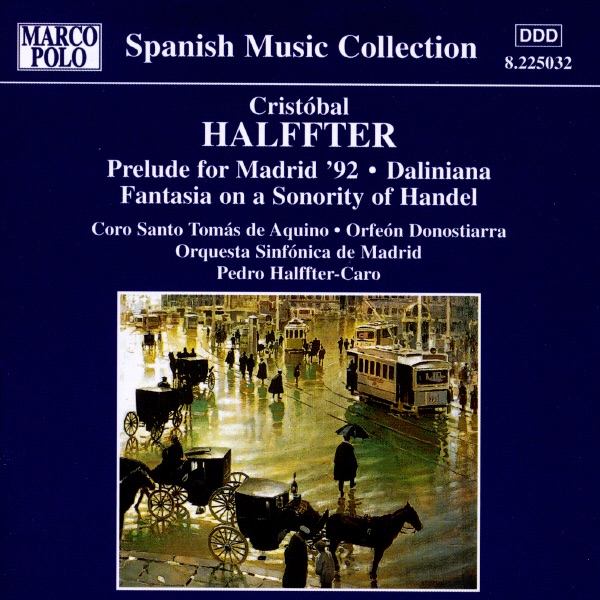
Vocal
-
 April 8, 2014
 -
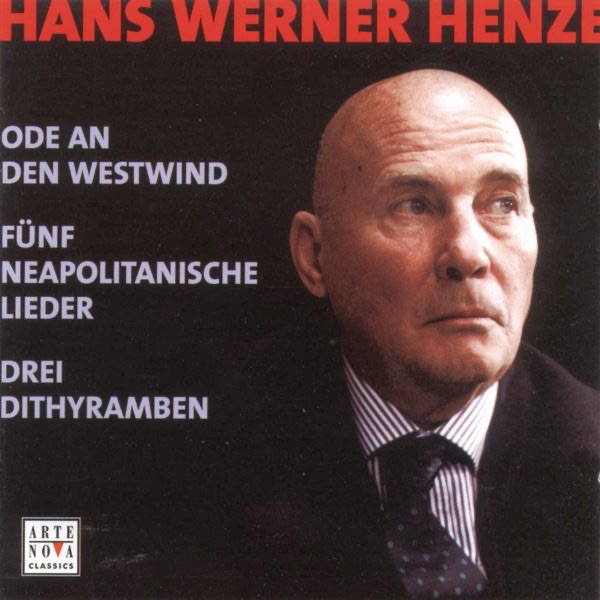
-
 January 27, 2004
Concerto
-
 October 8, 2021
 -
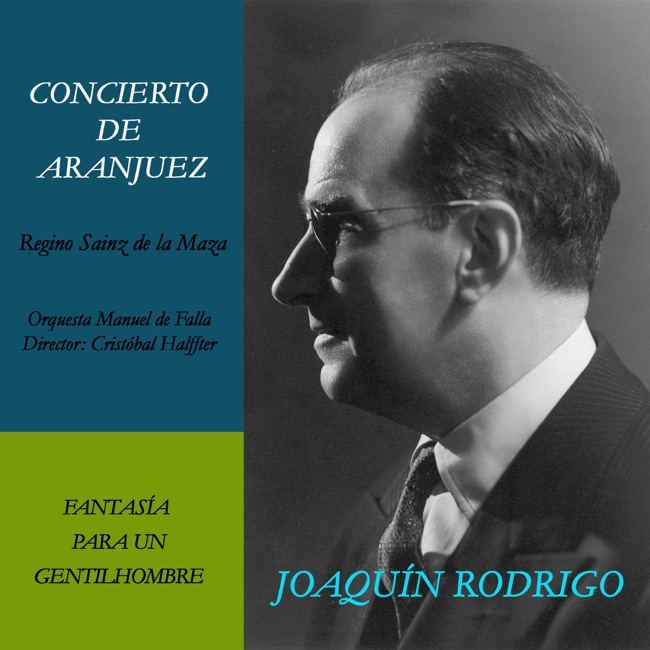
-
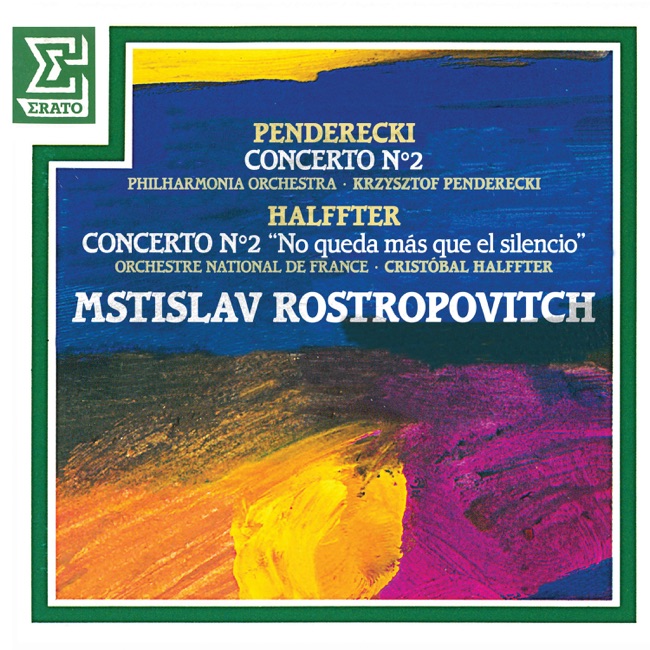 February 1, 2017
 -
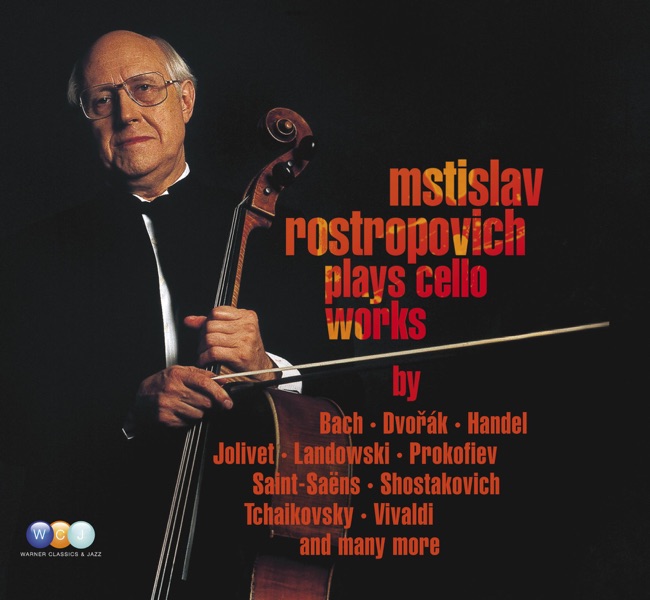 February 8, 2008
Artist Info
Role:Composer ConductorCountry: SpainBirth:March 24, 1930 in Madrid, SpainPeriod:ContemporaryGenre:ChamberConcertoOrchestralVocalCristobal Halffter is a Spanish composer who was born on March 24, 1930, in Madrid, Spain. He was born into a family of musicians, with his father Ernesto Halffter being a composer and conductor, and his uncle Rodolfo Halffter being a composer and musicologist. Cristobal Halffter grew up surrounded by music and began his musical education at a young age. Halffter studied at the Madrid Royal Conservatory, where he was taught by composer Conrado del Campo. He also studied with composer and conductor Igor Markevitch in Paris. Halffter's early works were influenced by the music of his father and uncle, as well as by the works of other Spanish composers such as Manuel de Falla and Joaquín Rodrigo. Halffter's early compositions include works for piano, chamber music, and orchestral pieces. One of his most notable early works is his "Concertino for Piano and Orchestra," which was premiered in 1953. The piece showcases Halffter's skill as a pianist and his ability to write for the orchestra. In the 1960s, Halffter began to experiment with electronic music, incorporating electronic sounds into his compositions. He also began to incorporate elements of serialism and atonality into his works. One of his most notable works from this period is his "Cantata de los Derechos Humanos," which was premiered in 1968. The piece is a setting of texts from the Universal Declaration of Human Rights and features a mix of electronic and acoustic sounds. Halffter's music continued to evolve throughout the 1970s and 1980s. He began to incorporate elements of minimalism into his works, as well as elements of Spanish folk music. One of his most notable works from this period is his "Sinfonietta," which was premiered in 1971. The piece features a mix of traditional and modern elements and showcases Halffter's ability to blend different musical styles. In the 1990s, Halffter continued to experiment with different musical styles and techniques. He began to incorporate elements of jazz and rock music into his compositions, as well as elements of traditional Spanish music. One of his most notable works from this period is his "Concierto para Guitarra y Orquesta," which was premiered in 1992. The piece features a mix of classical and flamenco guitar styles and showcases Halffter's ability to blend different musical genres. Halffter's music has been performed by orchestras and ensembles around the world, including the Berlin Philharmonic, the London Symphony Orchestra, and the New York Philharmonic. He has received numerous awards and honors for his work, including the National Music Prize of Spain in 1989 and the Prince of Asturias Award for the Arts in 2010. In addition to his work as a composer, Halffter has also been a teacher and mentor to many young musicians. He has taught at the Madrid Royal Conservatory and has served as a visiting professor at universities around the world. Overall, Cristobal Halffter is a composer who has had a significant impact on the world of classical music. His works showcase his ability to blend different musical styles and techniques, and his music continues to be performed and admired by musicians and audiences around the world.More....
Recent Artist Music

2
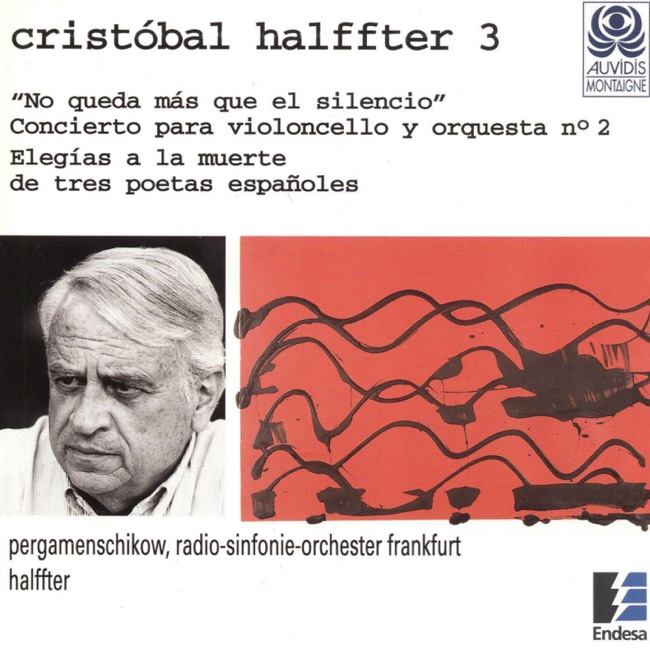
Cello Concerto No. 2 "No queda more que el silencio"
El grito deja en el viento una sombra de ciprés
10:36
3
5:25
9
5:48
11
Cello Concerto No. 2 "No queda more que el silencio"
1. El grito deja en el viento une sombra de ciprés (The cry leaves a cypress shadow in the wind) -
11:10

15
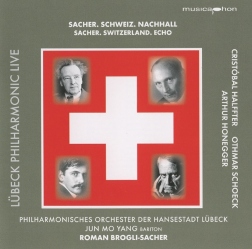
Temptation of the First Tone and Imperia Battle
Tiento del primer tono y batalla imperial para orquesta
10:32
Copyright Ⓒ 2013 Davinci Finger. All rights reseved
Service Terms & Policy