


Harald Horth
Released Album
Orchestral
-
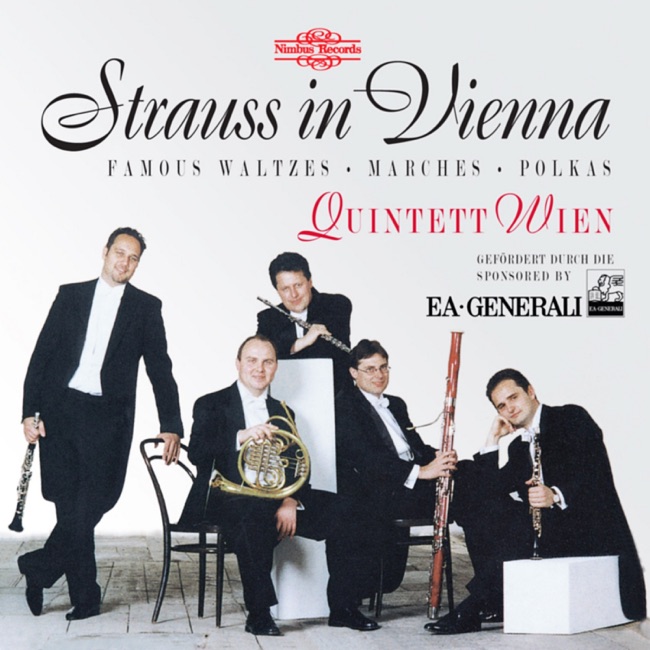 January 27, 1998
Chamber
-
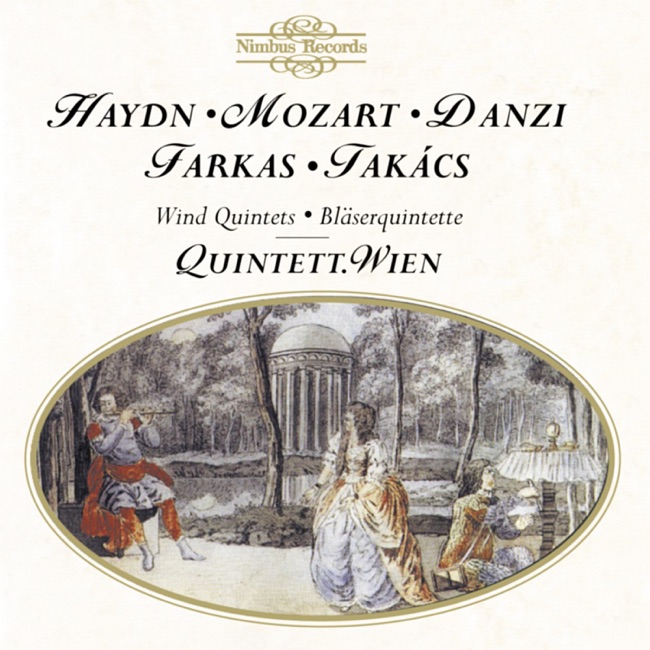 June 2, 1996
Artist Info
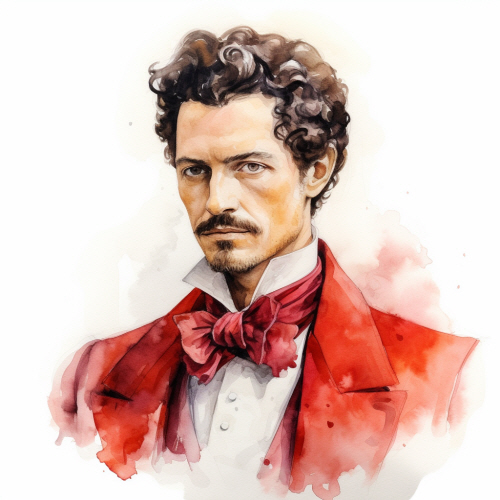
Period:ClassicalModernGenre:ChamberOrchestralHarald Horth was a renowned classical music artist who made a significant contribution to the world of music. He was born on 12th June 1945 in Oslo, Norway. Horth was born into a family of musicians, and his father was a well-known pianist. From a young age, Horth showed a keen interest in music, and his father recognized his talent and encouraged him to pursue a career in music. Horth began his musical training at the age of six, and he started with the piano. He quickly showed a natural talent for the instrument, and his father became his first teacher. Horth's father was a strict teacher, and he demanded a lot from his son. However, this tough training paid off, and Horth soon became a skilled pianist. At the age of 12, Horth started to take an interest in the cello. He was fascinated by the sound of the instrument and decided to take it up. Horth's father was initially hesitant about his son taking up another instrument, but he eventually relented and allowed Horth to pursue the cello. Horth's talent on the cello quickly became apparent, and he started to win competitions and awards. At the age of 16, he won the prestigious Norwegian National Cello Competition, which was a significant achievement for someone so young. This win opened up many doors for Horth, and he started to receive invitations to perform at concerts and festivals around the world. Horth's career as a professional musician began in earnest when he was 18. He was offered a place at the Juilliard School in New York, which was one of the most prestigious music schools in the world. Horth jumped at the opportunity and moved to New York to study under the renowned cellist Leonard Rose. Horth's time at Juilliard was a turning point in his career. He was exposed to a wide range of musical styles and techniques, and he developed a deep understanding of music theory. Horth's playing also improved significantly, and he started to receive critical acclaim for his performances. After graduating from Juilliard, Horth started to perform regularly at concerts and festivals around the world. He quickly gained a reputation as one of the most talented cellists of his generation, and he was in high demand. Horth's performances were characterized by his technical skill, musicality, and emotional depth. One of the highlights of Horth's career was his performance at the 1972 Olympics in Munich. He was invited to perform at the opening ceremony, and his performance was watched by millions of people around the world. Horth's performance was widely praised, and it helped to raise the profile of classical music. Horth continued to perform and record throughout the 1970s and 1980s. He collaborated with many of the world's leading conductors and orchestras, and he recorded a wide range of music, from Bach to contemporary composers. Horth's recordings were critically acclaimed, and he won many awards for his work. In the 1990s, Horth started to focus more on teaching. He was invited to teach at many of the world's leading music schools, including Juilliard and the Royal Academy of Music in London. Horth was a dedicated teacher, and he was passionate about passing on his knowledge and experience to the next generation of musicians. Horth continued to perform and record throughout the 2000s, but he gradually started to wind down his career. He retired from performing in 2010, and he spent his later years focusing on teaching and mentoring young musicians.More....
Recent Artist Music
Copyright Ⓒ 2013 Davinci Finger. All rights reseved
Service Terms & Policy