


Fried Walter
Released Album
Opera
-
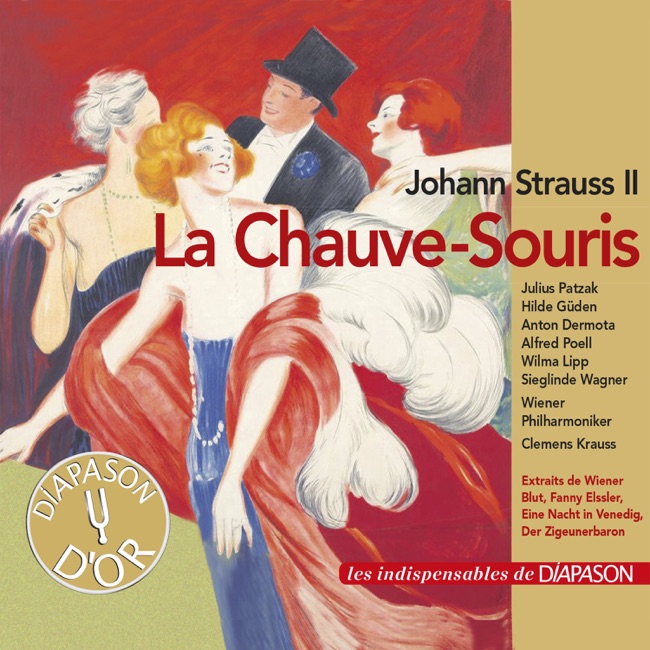 January 25, 2018
 -
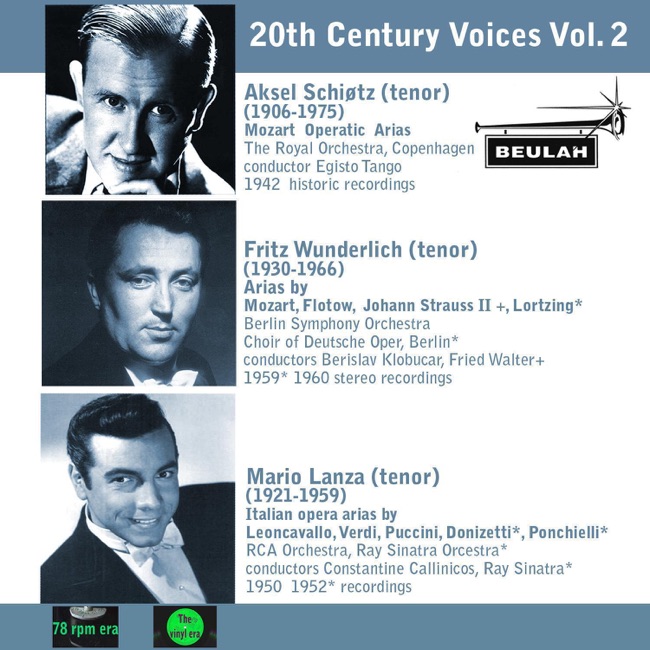 March 8, 2016
 -
-
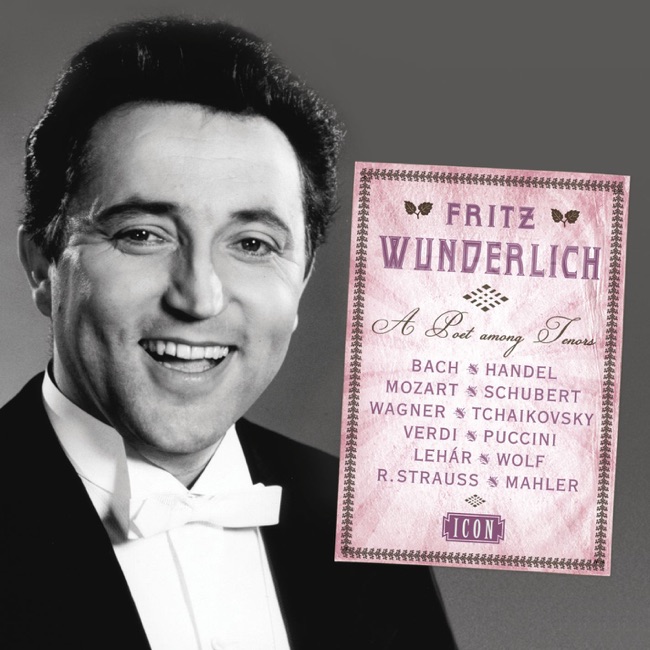 September 14, 2010
 -
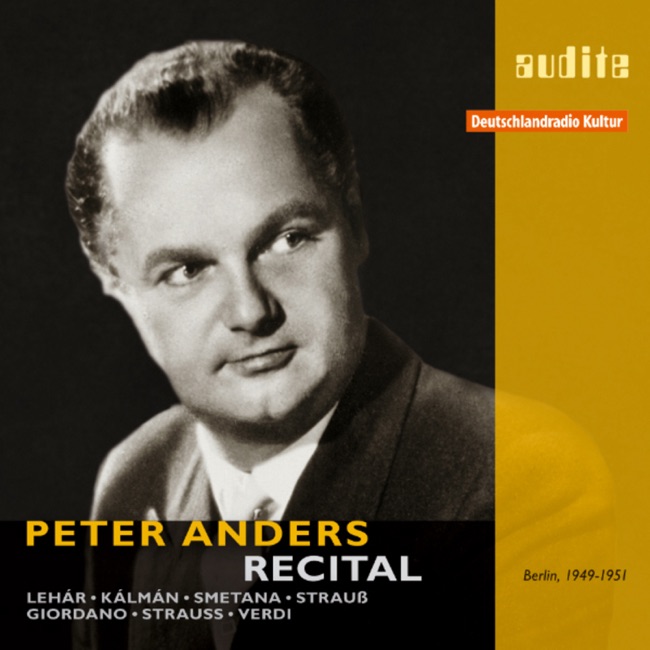 August 11, 2009
 -
 September 3, 2006
Orchestral
-
 June 6, 2010
 -
 October 1, 2009
 -
 June 16, 2009
 -
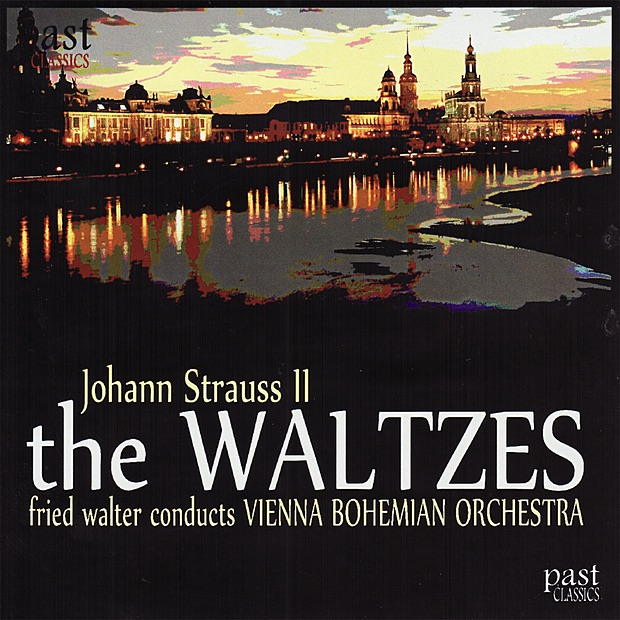 April 28, 2009
Vocal
-
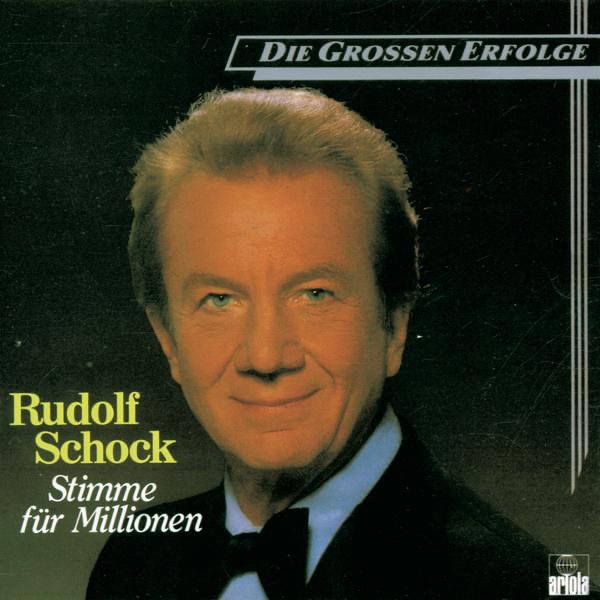 January 21, 1985
Concerto
-
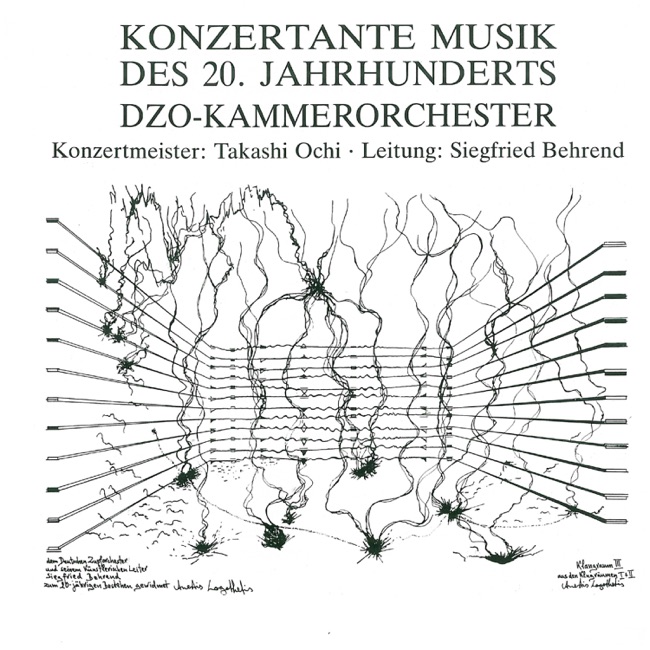 January 1, 1990
Artist Info
Role:Composer ConductorBirth:1907Genre:OperaFried Walter was a renowned classical music artist who was born on July 6, 1907, in Berlin, Germany. He was a pianist, conductor, and composer who made significant contributions to the world of classical music. Walter's musical journey began at a young age when he started playing the piano. He showed exceptional talent and was soon recognized as a prodigy. Walter's parents recognized his talent and encouraged him to pursue a career in music. He received his early musical training from his mother, who was a pianist. Later, he studied under the guidance of renowned pianists such as Artur Schnabel and Edwin Fischer. Walter's talent and hard work paid off, and he soon became a sought-after pianist. In 1929, Walter made his debut as a solo pianist at the Berlin Philharmonic. He received critical acclaim for his performance, and this marked the beginning of his successful career as a pianist. Walter went on to perform in various concerts and recitals across Europe, and his reputation as a pianist continued to grow. In addition to his career as a pianist, Walter was also a talented conductor. He made his debut as a conductor in 1931, leading the Berlin Philharmonic in a performance of Beethoven's Symphony No. 5. Walter's conducting skills were exceptional, and he soon became a sought-after conductor. He went on to conduct various orchestras across Europe, including the Vienna Philharmonic and the London Philharmonic. Walter's career as a composer was also noteworthy. He composed various pieces for the piano, including sonatas, preludes, and etudes. His compositions were well-received, and he was recognized as a talented composer. One of the highlights of Walter's career was his performance of Beethoven's Piano Concerto No. 5 in E-flat major, Op. 73, also known as the "Emperor" concerto. Walter's performance of this concerto was considered one of the best of his time, and it cemented his reputation as a pianist. He went on to perform this concerto numerous times throughout his career, and it remained one of his signature pieces. Walter's career was not without its challenges. He lived through the tumultuous period of World War II, and his career was affected by the political climate of the time. Walter was a Jew, and he faced persecution under the Nazi regime. He was forced to flee Germany in 1938 and settled in the United States. Despite the challenges he faced, Walter continued to pursue his passion for music and made significant contributions to the world of classical music. In the United States, Walter continued to perform as a pianist and conductor. He made his debut with the New York Philharmonic in 1941, conducting a performance of Beethoven's Symphony No. 9. Walter's performance was well-received, and he went on to conduct various orchestras in the United States, including the Boston Symphony Orchestra and the Philadelphia Orchestra. Walter's career in the United States was also marked by his work as a teacher. He taught at various institutions, including the Curtis Institute of Music and the Juilliard School. Walter's teaching was highly regarded, and he influenced many young musicians who went on to have successful careers in music. Throughout his career, Walter received numerous awards and honors for his contributions to the world of classical music. He was awarded the Order of Merit of the Federal Republic of Germany in 1977, and he was inducted into the American Classical Music Hall of Fame in 1998.More....
Recent Artist Music
14
8:23

Copyright Ⓒ 2013 Davinci Finger. All rights reseved
Service Terms & Policy