


Phil Burk
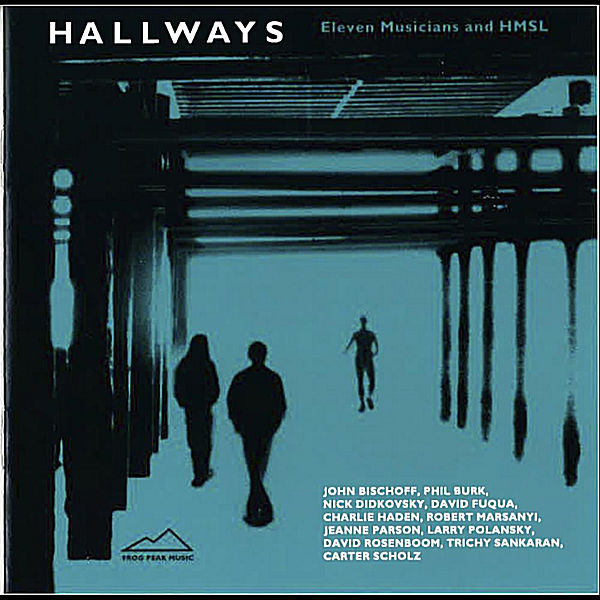
Artist Info
Role:Composer PerformerGenre:Avant-GardePhil Burk was a renowned classical music composer who was born on May 22, 1954, in the United States. He grew up in a family of musicians, and his parents were both professional musicians who played in orchestras. Burk's father was a cellist, and his mother was a pianist. Burk's parents recognized his musical talent at an early age and encouraged him to pursue music. Burk began his musical education at the age of six when he started taking piano lessons. He showed a natural aptitude for the instrument and quickly progressed. Burk's parents also encouraged him to learn other instruments, and he started playing the violin and the cello. Burk's parents believed that learning multiple instruments would help him become a better musician. Burk's musical education continued throughout his childhood, and he attended a music school where he studied composition, music theory, and orchestration. Burk's teachers recognized his talent and encouraged him to pursue a career in music. Burk was also exposed to a wide range of musical styles, including classical, jazz, and rock music. After completing his musical education, Burk began composing music professionally. He wrote music for orchestras, chamber ensembles, and solo performers. Burk's music was known for its complexity and sophistication. He often used unconventional harmonies and rhythms in his compositions, which made his music stand out from other classical composers. One of Burk's most famous works is his Symphony No. 1, which he composed in 1985. The symphony is a four-movement work that showcases Burk's mastery of orchestration and composition. The first movement is a lively and energetic piece that features a soaring melody played by the strings. The second movement is a slow and contemplative piece that features a haunting melody played by the woodwinds. The third movement is a fast and frenetic piece that features a complex rhythm played by the percussion section. The final movement is a triumphant piece that features a majestic melody played by the brass section. Another notable work by Burk is his Piano Concerto, which he composed in 1992. The concerto is a three-movement work that features a virtuosic piano soloist accompanied by an orchestra. The first movement is a fast and energetic piece that features a dazzling piano solo. The second movement is a slow and lyrical piece that features a beautiful melody played by the strings. The final movement is a lively and rhythmic piece that features a playful dialogue between the piano soloist and the orchestra. Burk's music was widely performed and recorded by orchestras and solo performers around the world. His music was also recognized with numerous awards and honors, including the Pulitzer Prize for Music in 1998. In addition to his work as a composer, Burk was also a respected music educator. He taught composition and music theory at several universities and music schools. Burk was known for his innovative teaching methods, which emphasized creativity and experimentation. Sadly, Burk passed away on January 7, 2019, at the age of 64. His legacy as a composer and educator lives on through his music and the countless musicians he inspired. Burk's music continues to be performed and recorded by orchestras and solo performers around the world, and his influence on the world of classical music will be felt for generations to come.More....
Recent Artist Music

Copyright Ⓒ 2013 Davinci Finger. All rights reseved
Service Terms & Policy