


Antonio Ruiz Pipó
Released Album
Chamber
-
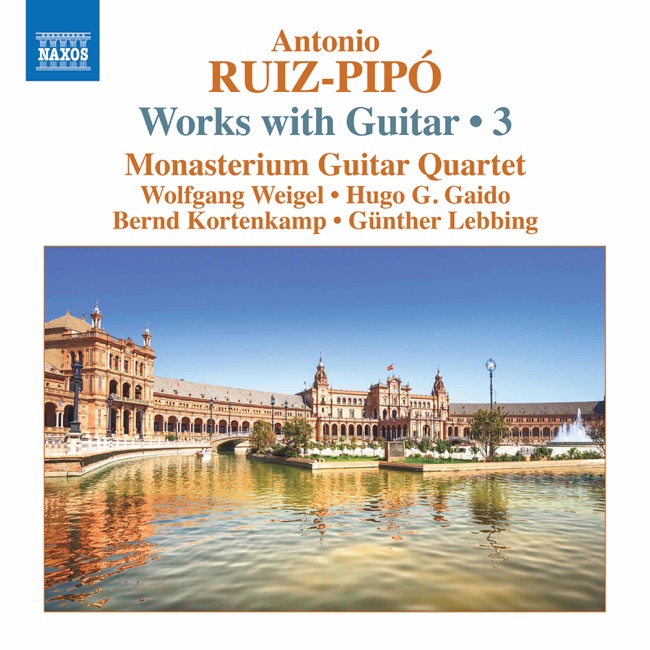 August 13, 2021
 -
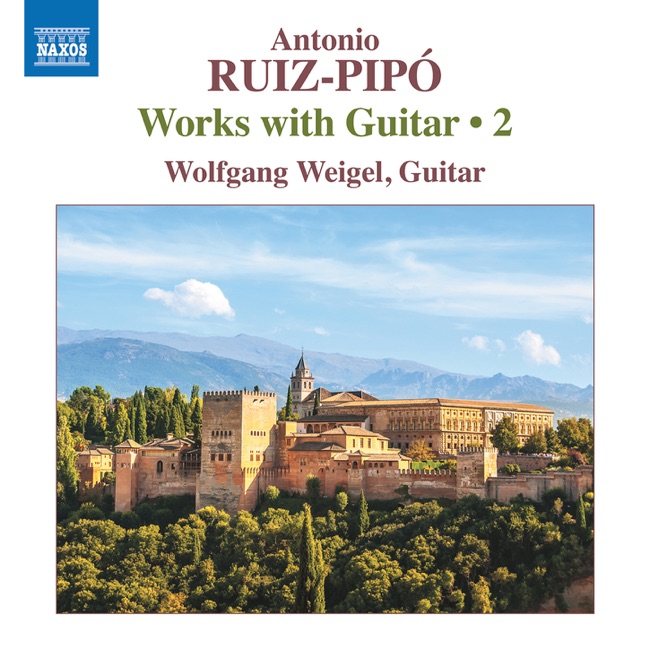 August 28, 2020
 -
 December 6, 2019
 -
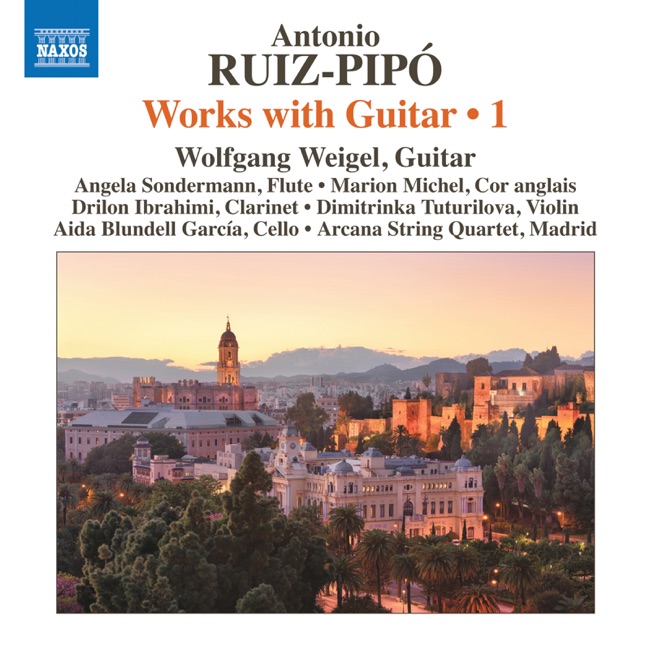 January 11, 2019
 -

-
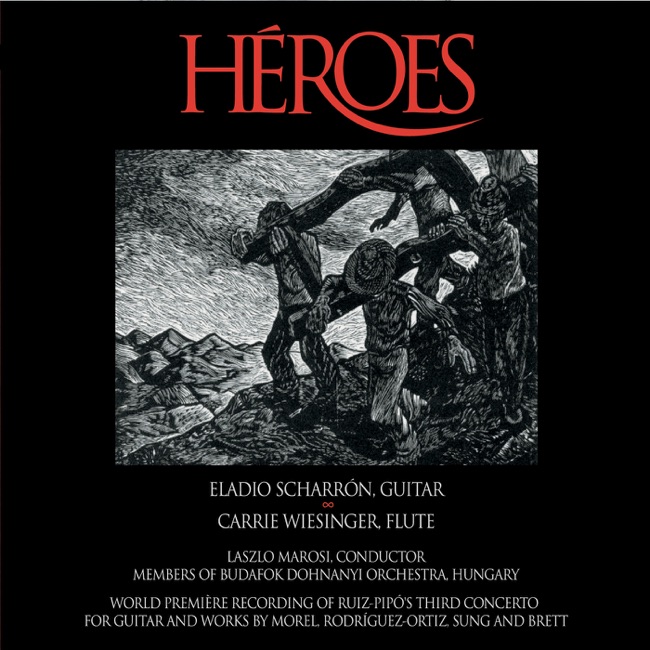 August 1, 2015
Concerto
-
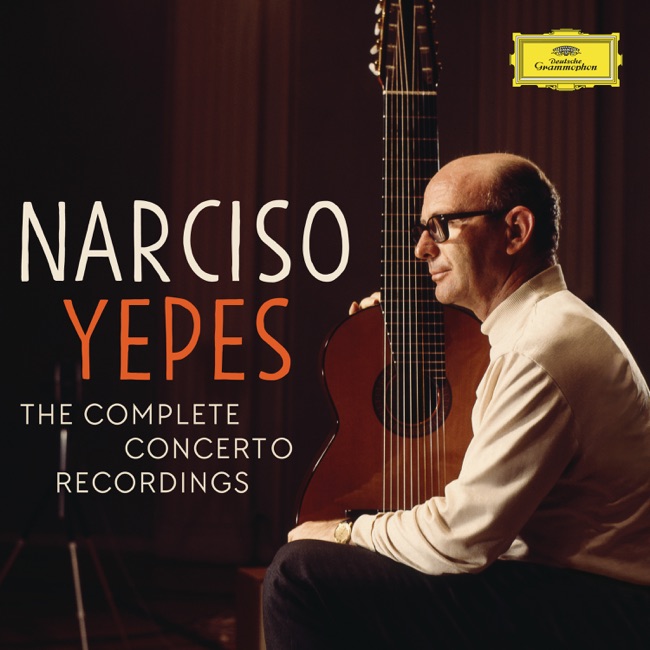 February 5, 2016
Keyboard
-
 May 4, 2018
 -
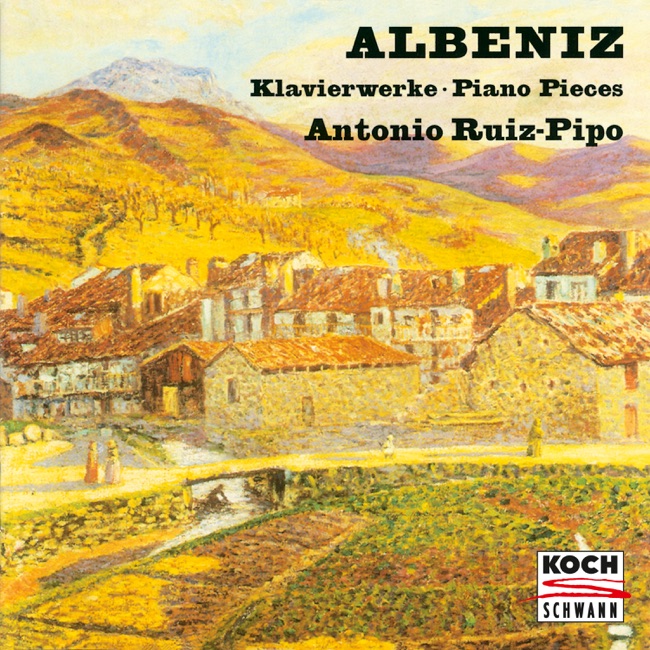 January 1, 1996
Artist Info
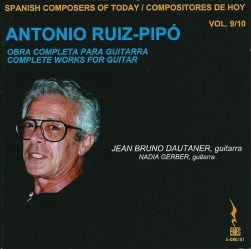
Role:ComposerBirth:1934 in Granada, SpainDeath:1997 in Paris, FranceGenre:ChamberAntonio Ruiz Pipó was a Spanish composer and pianist born on November 17, 1934, in Granada, Spain. He was the son of a music teacher and grew up in a musical family. His father, Antonio Ruiz Molina, was a composer and conductor, and his mother, Carmen Pipó, was a pianist. Ruiz Pipó began studying piano with his mother at a young age and showed a natural talent for music. In 1952, Ruiz Pipó moved to Madrid to study at the Royal Conservatory of Music. He studied piano with José Cubiles and composition with Conrado del Campo. He also studied harmony and counterpoint with Francisco Calés and orchestration with Joaquín Rodrigo. During his time at the conservatory, Ruiz Pipó won several awards for his compositions, including the National Prize for Composition in 1956. After completing his studies, Ruiz Pipó began a career as a pianist and composer. He performed as a soloist and chamber musician throughout Spain and Europe. He also composed music for the theater, film, and television. In 1962, he was appointed professor of piano at the Royal Conservatory of Music in Madrid, a position he held until 1990. Ruiz Pipó's music is characterized by its lyricism, clarity, and elegance. He was influenced by the music of Bach, Mozart, and Debussy, as well as by Spanish folk music. His compositions include works for piano, chamber ensembles, orchestra, and voice. Some of his most notable works include the Piano Sonata No. 1, the Suite for Guitar, and the Canciones de la Mancha. The Piano Sonata No. 1, written in 1955, is one of Ruiz Pipó's earliest works. It is a three-movement work that showcases his mastery of harmony and counterpoint. The first movement is a lively allegro, the second a lyrical andante, and the third a virtuosic allegro molto. The Suite for Guitar, written in 1962, is a four-movement work that is considered one of Ruiz Pipó's most important works. It was written for the Spanish guitarist Narciso Yepes and is characterized by its Spanish folk music influences. The first movement, Preludio, is a lively dance in 6/8 time. The second movement, Malagueña, is a slow and melancholic piece. The third movement, Zapateado, is a fast and rhythmic dance. The fourth movement, Seguidilla, is a lively and playful dance. The Canciones de la Mancha, written in 1972, is a cycle of six songs for voice and piano. The songs are based on poems by the Spanish poet Antonio Machado and are characterized by their simplicity and lyricism. The cycle includes songs such as "Caminante no hay camino" and "La primavera besaba." In addition to his compositions, Ruiz Pipó was also known for his piano performances. He was praised for his technical skill and musicality, and he performed a wide range of repertoire, from Bach to contemporary music. He was also a respected teacher, and many of his students went on to have successful careers as pianists and composers. Ruiz Pipó died on October 10, 1997, in Madrid, Spain, at the age of 62. He left behind a legacy of beautiful and elegant music that continues to be performed and admired today.More....
Recent Artist Music





Recommend Playlist











Copyright Ⓒ 2013 Davinci Finger. All rights reseved
Service Terms & Policy